NDC Rejects NPP Claims Questioning Attorney General's Capability to Investigate AKSA Energy Deal

Image: GhanaFront Editorial
The brewing political storm over the AKSA Energy deal
The political climate in Accra has intensified following a sharp rebuttal from the National Democratic Congress (NDC) directed at the New Patriotic Party (NPP). At the heart of the controversy is the credibility of Attorney General Dominic Ayine to independently spearhead investigations into the latest bribery allegations associated with the AKSA Energy Power Project. This high-stakes energy transaction has become a focal point of intense scrutiny, triggering a fierce political debate over potential conflicts of interest and the overall institutional integrity of the state's investigative apparatus.
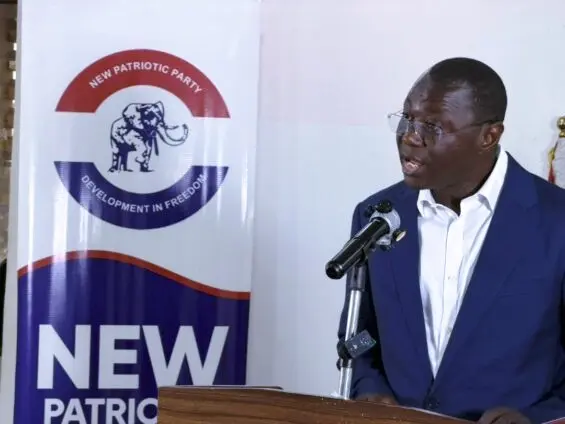
The NPP recently convened a highly publicized press briefing at their national headquarters in Accra, where Manhyia South Member of Parliament, Nana Agyei Baffour Awuah, explicitly stated that the opposition party harbors zero confidence in the Attorney General's capacity to impartially investigate or prosecute individuals linked to the AKSA transaction. The primary argument advanced by the NPP is rooted in the suspicion that key figures likely to be scrutinized in the upcoming probe possess strong political affiliations with the governing NDC, thereby creating an inherent and unavoidable conflict of interest that could compromise the pursuit of justice.
NDC Communications Team Fires Back
In a direct and forceful response to these claims, Theophilus Dzimega, a prominent private legal practitioner and vocal member of the NDC Communications team, took to the airwaves to systematically dismantle the NPP's narrative. Speaking on JoyFM's Top Story this past Thursday, August 13, the legal practitioner characterized the opposition's public apprehensions as entirely unfounded and politically motivated.
"The allegations are baseless, unfounded and without merit,"
Dzimega stated emphatically, setting the tone for a vigorous institutional defense of the Attorney General's office. He suggested that the NPP's current public posture is essentially a preemptive political strike, deliberately designed to undermine a legitimate legal and investigative process before it even gains full momentum. By attacking the investigator, Dzimega argued, the opposition is attempting to poison the well of public opinion.
The Hypocrisy of Plea Bargaining Criticisms
A significant portion of the NPP's recent critique targeted the Attorney General's broader approach to prosecutorial duties, particularly concerning plea bargaining. However, Dzimega swiftly turned the tables during his broadcast appearance, highlighting what he perceived as glaring hypocrisy on the part of the opposition party. He challenged the NPP to first provide absolute transparency regarding their own ongoing legal negotiations before casting aspersions on the state's chief legal advisor.
Specifically, Dzimega pointed to the ongoing, high-profile legal matters involving the NPP's former Ashanti Regional Chairman, Bernard Antwi Boasiako, widely recognized in the Ghanaian political sphere as Chairman Wontumi. He argued that it is highly disingenuous for figures like Mr. Awuah, who are reportedly involved in or privy to these matters, to publicly criticize the Attorney General's handling of plea bargains without first disclosing the detailed nature of the negotiations concerning their own party stalwarts.
- The NDC demands immediate transparency on Chairman Wontumi's ongoing plea negotiations.
- Legal analysts urge the NPP to focus on internal accountability before attacking state judicial institutions.
- The current debate heavily highlights the political complexities of plea bargaining in high-profile corruption cases in Ghana.
International Cooperation and the Asante Kwaku Berko Case
Further bolstering his comprehensive defense of Dominic Ayine, Dzimega drew significant attention to the Attorney General's proven track record of international legal cooperation. He specifically referenced the complex, high-profile transnational case involving Asante Kwaku Berko, emphasizing that the Attorney General has actively and successfully collaborated with United States federal authorities to ensure that justice is served across borders.
Dzimega highlighted that this unprecedented cooperation successfully encompassed the apprehension, prosecution, and subsequent extradition processes, clearly demonstrating the current government's unwavering commitment to pursuing systemic corruption, regardless of the logistical or political complexities involved. He found it deeply ironic that the NPP would brazenly question the Attorney General's credibility immediately following such a robust and globally recognized display of international legal collaboration.
"The Attorney General, we are told, had cooperated with the US authorities in the apprehension, the prosecution and extradition of this young man. And now you say the Attorney General lost credibility to undertake such an exercise of this nature,"
Adding another critical layer to his argument, Dzimega pointed out a crucial historical detail that complicates the opposition's stance: Mr. Berko was originally appointed to his influential position during the tenure of the previous NPP administration. He questioned the logical consistency of the opposition publicly doubting the Attorney General's capability to aggressively investigate a case that has deep roots in their own period of national governance.
Constitutional Powers and the Nolle Prosequi Precedent
Addressing separate, lingering criticisms regarding the Attorney General's occasional decision to discontinue certain criminal prosecutions, Dzimega anchored his arguments firmly in the bedrock of Ghanaian constitutional law. He defended Dr. Ayine’s legal use of the nolle prosequi, emphasizing that such executive legal actions are not arbitrary whims but are strictly governed and protected by the Attorney General's constitutional mandate to manage the state's legal affairs.
To legally substantiate this critical point, the legal practitioner referenced firmly established judicial precedent, specifically highlighting the Supreme Court's definitive ruling in the widely discussed case involving Gregory Afoko. Dzimega reminded critics that the apex court of the land has unequivocally affirmed that the entry of a nolle prosequi falls squarely and legally within the legitimate discretionary powers of the Attorney General.
According to Dzimega's legal analysis, these critical prosecutorial decisions are never made in a vacuum. Instead, they require a delicate, highly professional balancing act that must carefully take into account vital national factors such as public policy, the broader public interest, critical national security considerations, and the realistic, evidence-based likelihood of successfully securing a conviction in a competent court of law.
Commitment to Anti-Corruption and Ethical Governance
Concluding his robust public defense, Dzimega categorically rejected the underlying partisan insinuation that the Attorney General lacks the moral fortitude or professional credibility required to investigate politically sensitive allegations like those surrounding the AKSA Energy deal. He powerfully reiterated the current administration's proactive and uncompromising stance on ethical governance and structural anti-corruption measures.
He reminded the Ghanaian public that President John Dramani Mahama has proactively enacted a comprehensive, rigorous code of conduct specifically tailored for all his government appointees. This unprecedented initiative, Dzimega argued passionately, is a clear, undeniable testament to the administration's determination to ensure that its daily operations and high-level transactions remain completely untainted by any form of corruption or administrative malfeasance.
Dzimega ultimately posed a critical, defining question to the opposition forces: if the constitutionally mandated Attorney General is deemed unfit to lead such an investigation, who else possesses the legal authority, state resources, and institutional capacity to do so? He accused the NPP of attempting to preemptively delegitimize the outcome of the investigation before it even formally concludes, urging all political stakeholders to allow the Attorney General the necessary space to execute his constitutional duties without facing undue partisan interference. As the intense national debate over the AKSA Energy Power Project continues to unfold, the NDC remains resolutely confident that the Attorney General is fully equipped to uncover the truth and uphold the rule of law in Ghana.
More from GhanaFront Editorial
Related Stories
More from Politics
Afenyo-Markin urges youth to defend democratic freedoms
At a youth economic forum, a top MP issues a stark warning about Ghana's civic space - but what specific threat is he calling out?
15h ago•2 min read