Monetary Policy Committee reviews policy rate amid global uncertainty
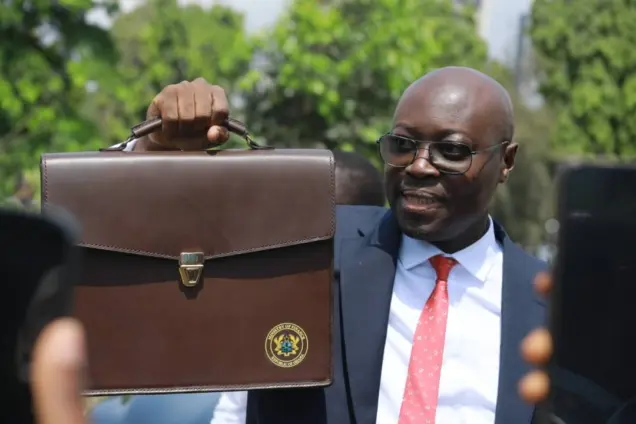
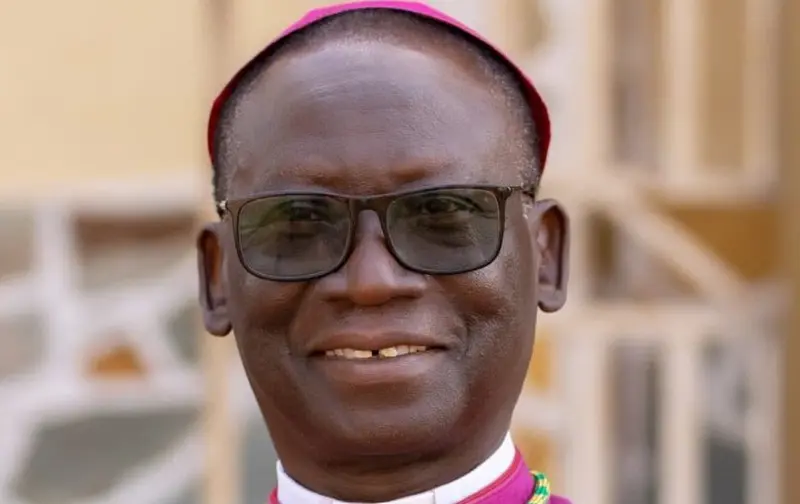
The Governor of the Bank of Ghana, alongside members of the Monetary Policy Committee (MPC), recently convened for a crucial meeting in Accra. The atmosphere was thick with anticipation, as stakeholders from across the Ghanaian economy awaited the committee's decision. This meeting, the 129th of its kind, brought together some of the nation's leading economic minds to deliberate on a matter of significant national importance. The discussions were framed against a backdrop of both positive domestic trends and mounting global uncertainties, creating a complex and challenging environment for policymakers. The committee members, each bringing their unique expertise and perspective, were tasked with carefully weighing various factors before arriving at a consensus.
Ghana's economic landscape is intricately linked to the policy rate set by the MPC. This benchmark interest rate serves as a powerful tool for the central bank, influencing borrowing costs for businesses and individuals alike. Historically, the MPC's decisions have played a pivotal role in managing inflation, stimulating economic growth, and maintaining financial stability. In a nation where access to credit is often a key driver of entrepreneurship and investment, the policy rate directly impacts the ability of businesses to expand, create jobs, and contribute to the overall prosperity of the country. Furthermore, the rate influences consumer spending patterns and savings behavior, shaping the dynamics of the domestic market. Recent economic trends, including fluctuations in inflation, changes in international reserves, and shifts in fiscal policy, have added layers of complexity to the MPC's deliberations. The committee must carefully consider these factors, along with global economic developments, to determine the most appropriate course of action.
The key players in this scenario include not only the members of the MPC, but also a wide range of stakeholders who stand to be affected by the committee's decision. Businesses, both large and small, are keenly interested in the policy rate, as it directly impacts their borrowing costs and investment decisions. Consumers are also affected, as the rate influences interest rates on loans, mortgages, and savings accounts. The government, too, has a vested interest in the MPC's decision, as it can impact the country's overall economic performance and fiscal outlook. Tensions often arise between these different groups, as their interests may not always align. For example, businesses may prefer a lower policy rate to stimulate borrowing and investment, while the government may prioritize a higher rate to control inflation. The MPC must navigate these competing interests and make a decision that is in the best interest of the country as a whole. The stakes are high, as the committee's decision could have far-reaching consequences for the Ghanaian economy.
As the MPC deliberates, several key questions remain unanswered. Will the committee maintain the current policy rate, or will it opt for a change? What weight will be given to the recent decline in inflation, and how will the committee balance this with the growing risks posed by global economic uncertainty? How will the committee address the challenges of increasing international reserves while also supporting domestic economic growth? The answers to these questions will shape the direction of the Ghanaian economy in the months to come. Observers are particularly interested in understanding how the MPC will interpret the impact of geopolitical events on Ghana's economic outlook. The committee's assessment of these risks, and its willingness to adjust its policy stance accordingly, will be crucial in determining the country's ability to navigate the challenges ahead. The interplay between domestic economic indicators and external pressures creates a dynamic and unpredictable environment, making the MPC's decision all the more significant.
Quick Summary
The Bank of Ghana's Monetary Policy Committee is meeting to review the policy rate amidst global economic uncertainty- a decision made more complex by improvements in key economic indicators. The committee must navigate a shifting landscape, balancing domestic progress with emerging external threats- but what choices will they make?
Summary - read the full story for complete context.
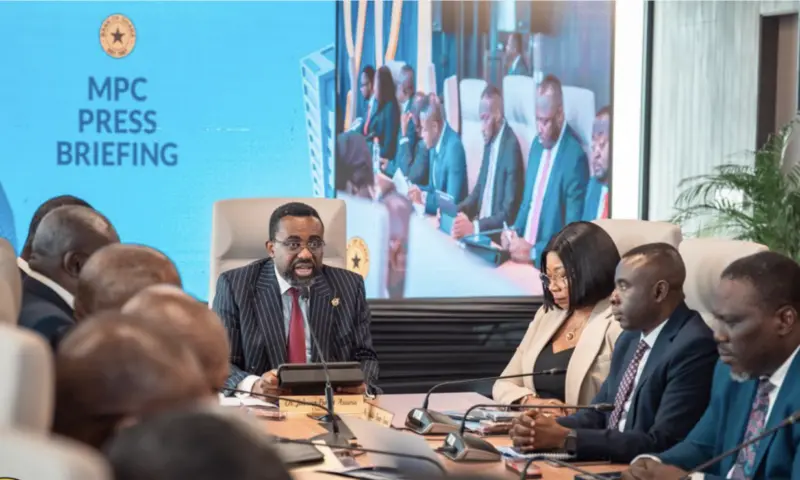
Image: MyJoyOnline
GhanaFront aggregates news from trusted sources. Click to read the original article.
Keywords
Explore related tagsMore from MyJoyOnline
Related Stories
More from Business & Economy

Bawumia's gold-backed policy can end IMF bailouts - Gideon Boako
Could a gold-backed currency and strict fiscal rules end Ghana's cycle of IMF bailouts? A key MP makes the case.
2d ago•2 min read