MML's MoMo transactions hit GH¢4.1trn in digital finance surge
Mobile money, a seemingly ubiquitous feature of modern Ghanaian life, didn't materialize overnight. It's the culmination of years of effort to bridge the financial inclusion gap, particularly for those in rural areas or the informal sector who have historically been underserved by traditional banking institutions. Think back to the early 2000s, when access to a bank account was a privilege for many, not a right. The idea of sending money instantly via a mobile phone seemed like something out of a science fiction novel. Now, consider the bustling market woman in Kumasi, the farmer in the Ashanti region, or the small business owner in Accra - all potentially relying on this technology to manage their daily finances.
The rise of mobile money in Ghana is intrinsically linked to the country’s broader economic development and technological advancements. The liberalization of the telecommunications sector in the 1990s paved the way for increased mobile phone penetration. As mobile phone ownership grew, so did the potential for leveraging this technology for financial services. Ghana's regulatory environment, while initially cautious, gradually adapted to accommodate and regulate the burgeoning mobile money sector. This involved navigating complex issues related to security, consumer protection, and anti-money laundering. The Bank of Ghana has played a crucial role in shaping the regulatory landscape, striving to foster innovation while mitigating risks. The story of mobile money is also a story of competition - telecom companies vying for market share, fintech startups disrupting traditional models, and banks adapting to the changing landscape.
Several key players are at the heart of this evolving narrative. Scancom PLC, through its MobileMoney LTD subsidiary, is a significant force, but it's not alone. Other telecom operators, banks, and fintech companies are all vying for a piece of the pie. There's a constant tension between these players as they compete for customers, market share, and regulatory favor. The stakes are high - control over a significant portion of Ghana's financial transactions. The government, too, has a vested interest, seeking to harness the power of digital finance to boost economic growth, improve tax collection, and promote financial inclusion. However, there are also concerns about cybersecurity, fraud, and the potential for mobile money to exacerbate existing inequalities if not managed effectively.
Looking ahead, several key questions remain unanswered. What will be the impact of new regulations on the mobile money industry? How will traditional banks adapt to the continued dominance of mobile money platforms? Will the growth of advanced services, such as digital payments and mobile lending, continue to outpace basic services like withdrawals and transfers? How will the industry address concerns about cybersecurity and fraud to maintain consumer trust? The answers to these questions will shape the future of mobile money in Ghana and its role in the country's economic development.
Quick Summary
MobileMoney LTD (MML), a fintech subsidiary, has seen massive growth in its mobile money ecosystem. The surge in transaction values hints at the changing landscape of digital finance - but what is driving this?
Summary - read the full story for complete context.
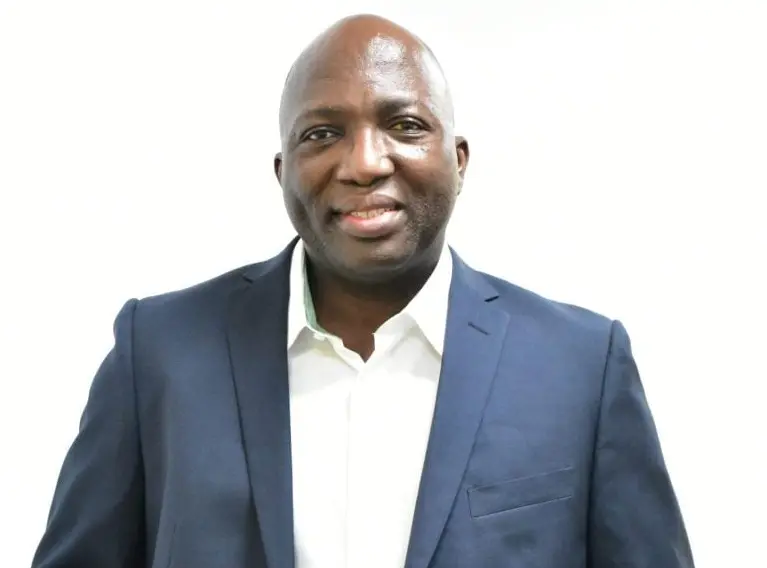
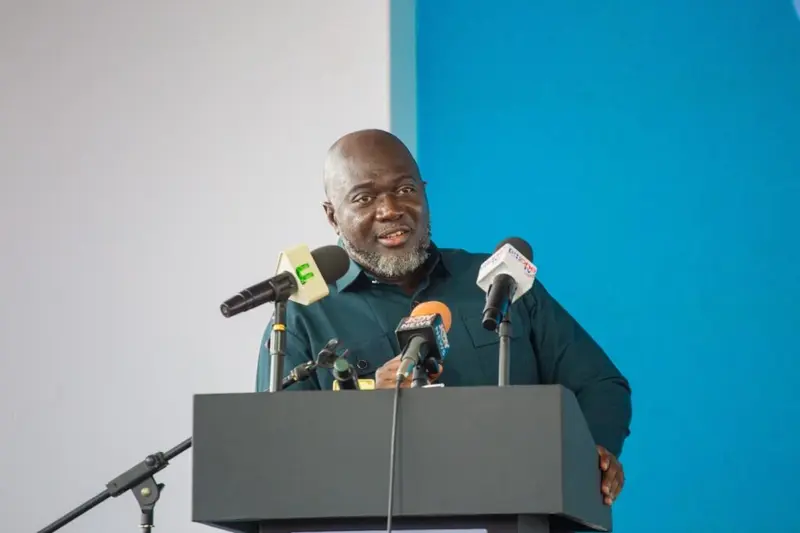
Image: MyJoyOnline
GhanaFront aggregates news from trusted sources. Click to read the original article.
Keywords
Explore related tagsMore from MyJoyOnline
Related Stories
More from Business & Economy
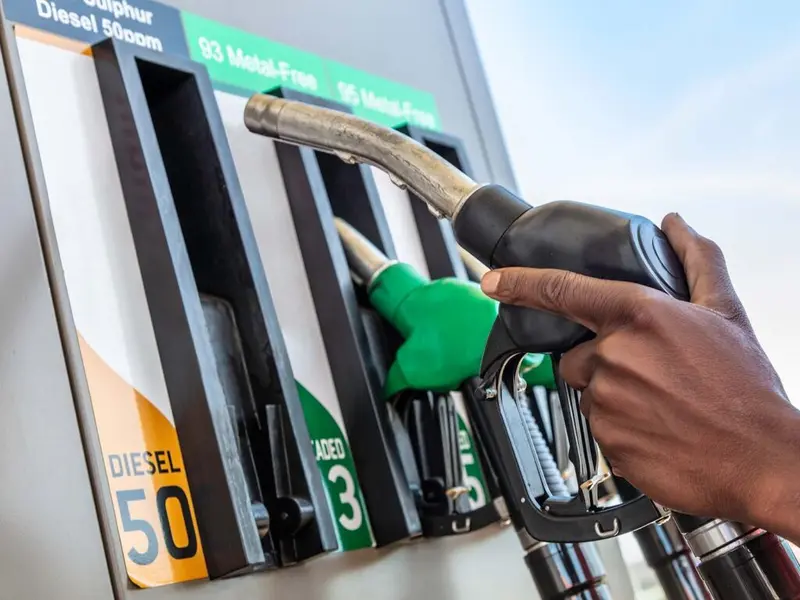
COPEC calls for GH¢1 petrol, continuation of GH¢2 diesel subsidy amid price surge
Will the government heed COPEC's call for fuel subsidies as prices surge?
2d ago•