Middle East tensions could threaten Ghana's inflation gains - BoG Governor
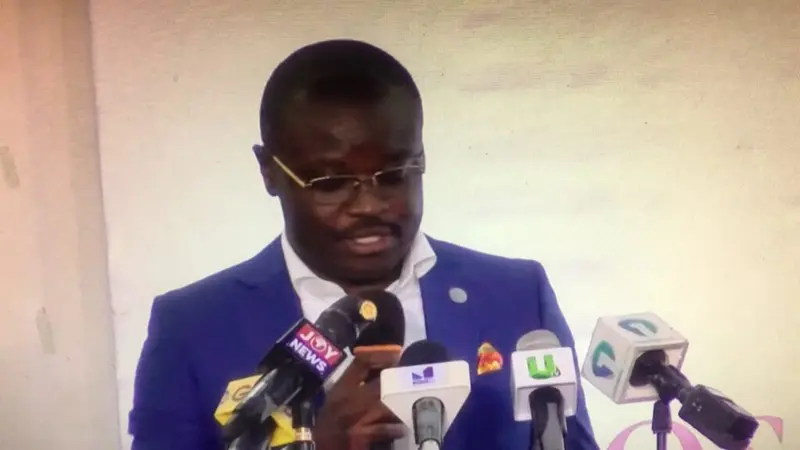
The Governor of the Bank of Ghana, Dr. Johnson Asiama, recently addressed the Monetary Policy Committee (MPC) on the state of the nation's economy and the potential challenges ahead. The MPC, a crucial body within the Bank of Ghana, is responsible for setting the country's monetary policy, including the benchmark interest rate, which influences borrowing costs and overall economic activity. Their decisions are closely watched by businesses, investors, and the general public, as they have a direct impact on the cost of living, investment decisions, and the stability of the financial system. Dr. Asiama's address comes at a time when Ghana is navigating a complex global economic landscape, marked by both opportunities and risks.
Ghana's economic story is one of resilience and ambition. Historically, the nation has grappled with periods of high inflation, currency depreciation, and fiscal imbalances. However, recent efforts to stabilize the economy have shown promise, with inflation gradually declining and macroeconomic indicators showing signs of improvement. The Bank of Ghana has played a central role in this process, implementing policies aimed at controlling inflation, managing the exchange rate, and ensuring the stability of the financial sector. The country's reliance on commodities like gold and cocoa makes it particularly vulnerable to fluctuations in global prices and demand. Furthermore, Ghana's increasing integration into the global financial system means that it is susceptible to external shocks, such as changes in interest rates in developed economies and shifts in investor sentiment. The government's focus on building a robust and diversified economy is therefore crucial for long-term sustainable growth.
The stakes are high for Ghana as it seeks to consolidate its economic gains. The country's ability to maintain low inflation is critical for preserving the purchasing power of citizens and fostering a stable investment climate. The government's fiscal policies, including its borrowing and spending decisions, also play a significant role in shaping the economic outlook. External factors, such as geopolitical tensions and global economic slowdowns, pose additional challenges. Key players in this economic narrative include the Bank of Ghana, the Ministry of Finance, commercial banks, and international financial institutions. The interactions between these entities, and their responses to evolving economic conditions, will determine the trajectory of Ghana's economy. The success of government initiatives, such as the Ghana Accelerated National Reserve Accumulation Programme (GANRAP), will also be closely monitored, as they have the potential to significantly impact the country's financial stability.
Several open questions remain that will shape Ghana's economic future. Will the recent progress in reducing inflation be sustained in the face of global uncertainties? How will the government balance its fiscal objectives with the need to invest in infrastructure and social programs? What impact will GANRAP have on liquidity conditions and the central bank's balance sheet? And, perhaps most importantly, will the banking sector be able to overcome its challenges and support economic growth through increased lending to businesses and individuals? The answers to these questions will determine whether Ghana can achieve its ambitious economic goals and create a more prosperous future for its citizens.
Quick Summary
Bank of Ghana Governor Dr. Johnson Asiama has warned of potential threats to Ghana's inflation gains due to rising tensions in the Middle East. He noted that while Ghana's economic conditions have improved, global uncertainties could impact monetary policy - but how?
Summary - read the full story for complete context.
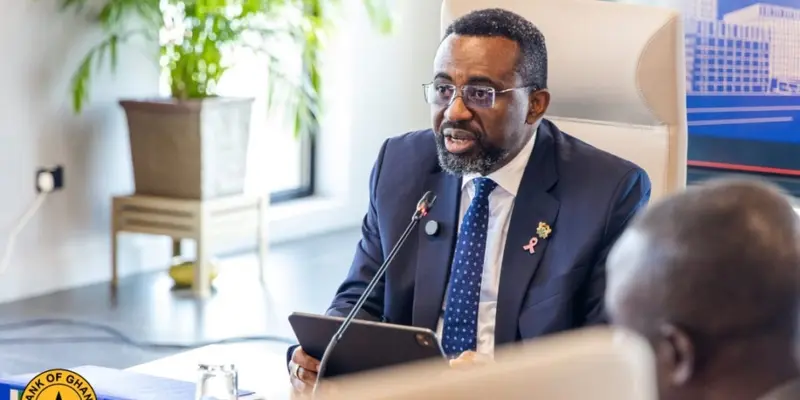
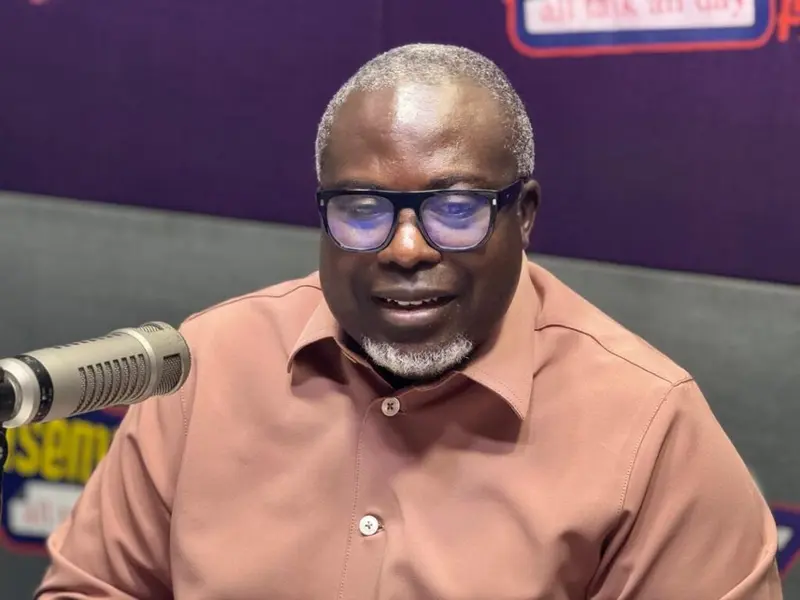
Image: MyJoyOnline
GhanaFront aggregates news from trusted sources. Click to read the original article.
Keywords
Explore related tagsMore from MyJoyOnline
Related Stories
More from Business & Economy
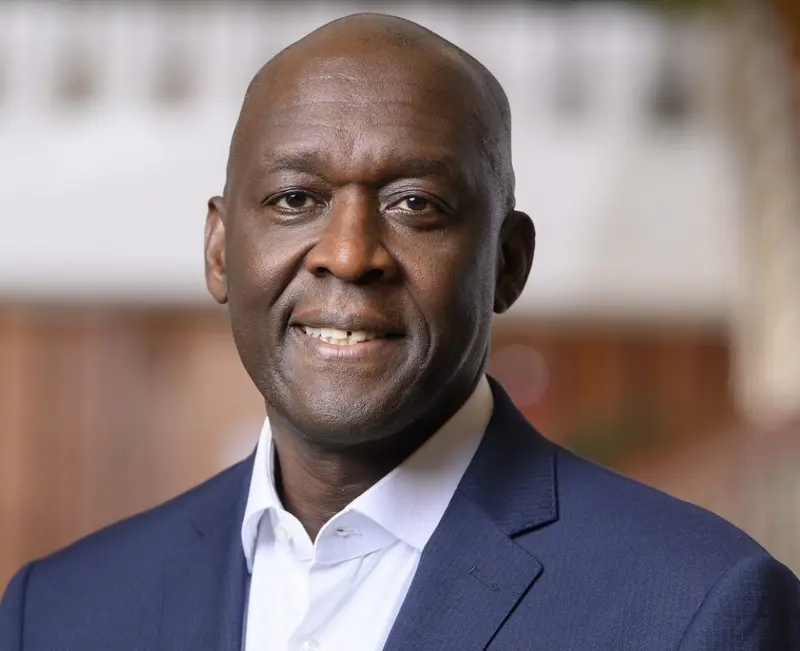
IFC Managing Director Makhtar Diop to visit Ghana for investment talks
What could this high-level IFC visit mean for Ghana's private sector and job creation?
3d ago•2 min read