Middle East conflict poses fresh inflation risks for Ghana - BoG Governor
Dr. Johnson Asiama, a prominent figure in Ghana's financial landscape, finds himself at the center of attention as the Monetary Policy Committee (MPC) convenes. The MPC, a crucial body within the Bank of Ghana, plays a pivotal role in shaping the nation's monetary policy. Its decisions ripple through the economy, influencing interest rates, inflation, and overall financial stability. The committee is comprised of experts who analyze a multitude of economic factors, both domestic and international, to determine the best course of action for Ghana's economic well-being. Their deliberations are closely watched by businesses, investors, and the general public alike, as the outcomes directly impact their financial lives.
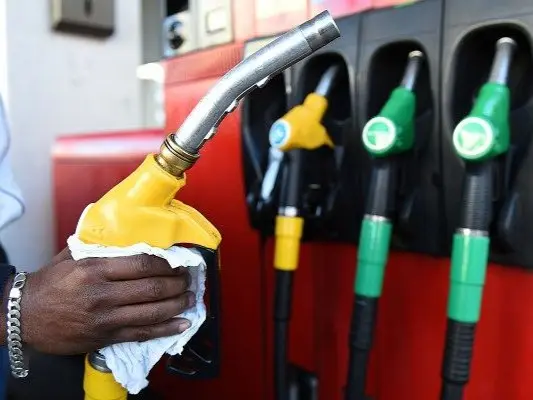
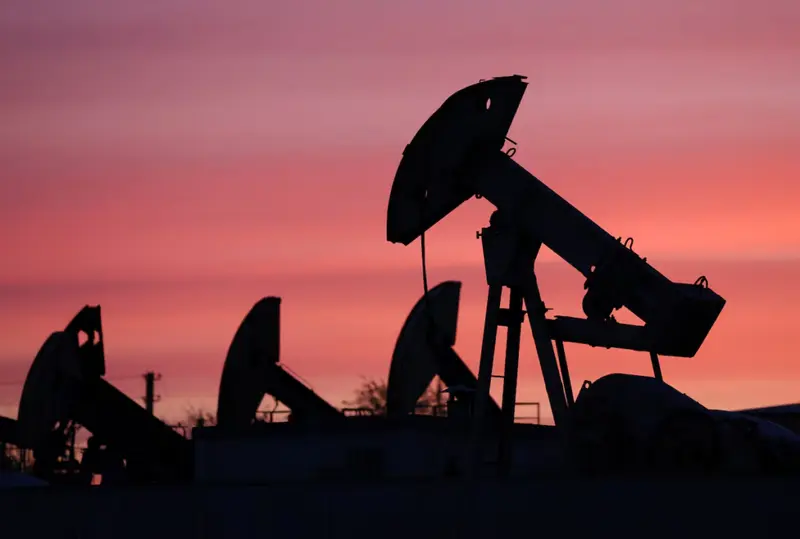
Ghana's economic trajectory is intricately linked to global events, particularly those concerning energy and trade. The nation, while possessing its own natural resources, remains susceptible to fluctuations in global commodity prices, especially oil. As a net importer of petroleum products, Ghana's economy is vulnerable to inflationary pressures stemming from rising crude oil prices. This vulnerability is further compounded by the country's reliance on international trade routes for both imports and exports. Disruptions to these routes, whether due to geopolitical tensions or other factors, can significantly impact the flow of goods and services, leading to supply chain bottlenecks and increased costs. Furthermore, Ghana's status as a gold-producing nation adds another layer of complexity. Gold prices often exhibit an inverse relationship with global economic stability, tending to rise during times of uncertainty and acting as a safe-haven asset for investors. This dynamic creates a delicate balancing act for policymakers, who must navigate the potential benefits of higher gold prices against the broader risks associated with global instability.
The current global landscape presents a complex web of challenges and opportunities for Ghana. Tensions in the Middle East, a region of immense geopolitical significance, have the potential to disrupt global energy markets and shipping lanes. These disruptions could have far-reaching consequences for Ghana's economy, potentially leading to imported inflation and tightening global financial conditions. Key stakeholders, including government officials, business leaders, and ordinary citizens, are keenly aware of the potential impact of these developments. The stakes are high, as the decisions made by the MPC will play a crucial role in mitigating the risks and capitalizing on any potential benefits. The MPC's deliberations will be influenced by a range of factors, including the evolving geopolitical situation, global oil market dynamics, and the trajectory of global inflation.
Several key questions remain unanswered as the MPC embarks on its deliberations. How will the escalating tensions in the Middle East ultimately impact global oil prices and shipping routes? What measures can Ghana take to mitigate the potential risks of imported inflation? Will the rising geopolitical uncertainty lead to a sustained increase in gold prices, and how can Ghana best leverage this potential benefit? These are just some of the critical issues that the MPC will grapple with as it seeks to determine the appropriate policy stance for Ghana. The committee's decision on the policy rate will be a closely watched indicator of its assessment of the risks and opportunities facing the Ghanaian economy.
Quick Summary
Bank of Ghana Governor Dr. Johnson Asiama has cautioned that the escalating Middle East conflict poses a threat to Ghana's inflation outlook. The conflict's disruption of energy and shipping routes could have far-reaching implications - but how?
Summary - read the full story for complete context.

Image: MyJoyOnline
GhanaFront aggregates news from trusted sources. Click to read the original article.
Keywords
Explore related tagsMore from MyJoyOnline
Related Stories
More from Business & Economy
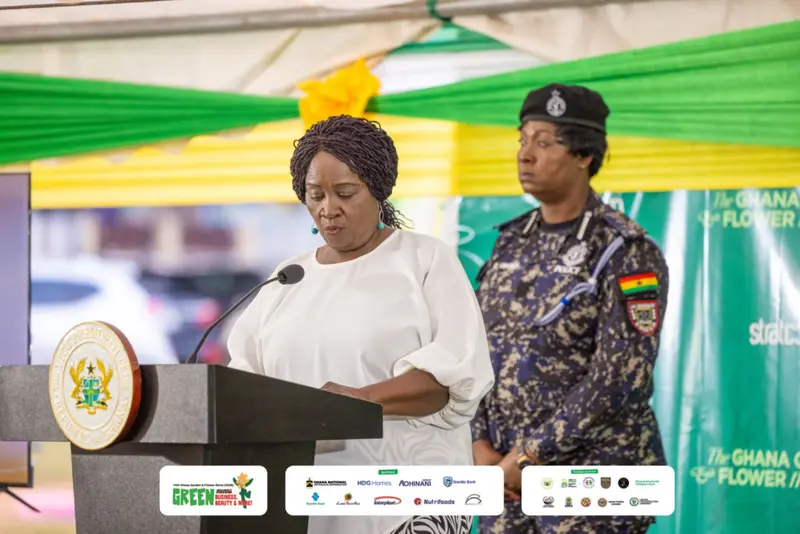
Horticulture can create jobs, businesses and export opportunities for Ghana - Prof Naana Jane
Could Ghana's flower industry bloom into a global export powerhouse? The Vice President thinks so - but there's a catch.
1d ago•