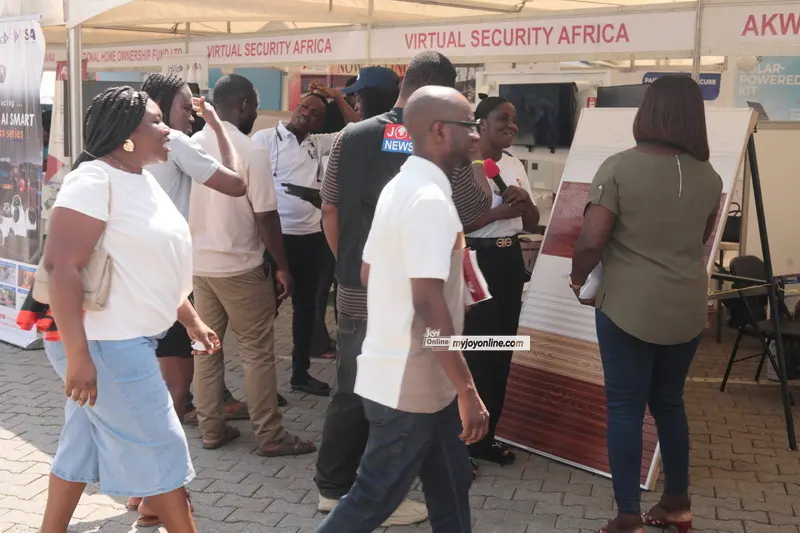
Mahama launches AgroTech Fair, pushes for homegrown innovation in agriculture
The Ghanaian agricultural sector has long been recognized as a cornerstone of the nation's economy, providing livelihoods for a significant portion of the population and contributing substantially to the country's GDP. However, despite its importance, the sector faces numerous challenges, including low productivity, reliance on traditional farming methods, and limited access to modern technology. Successive governments have attempted various strategies to modernize and boost agricultural output, recognizing that a thriving agricultural sector is crucial for food security, economic growth, and overall national development. The push for innovation and technology adoption has become a recurring theme in these efforts, with stakeholders constantly seeking ways to bridge the gap between research, development, and practical application on the farms.
Ghana's agricultural landscape is characterized by a mix of smallholder farmers and larger commercial farms. While smallholder farmers form the backbone of the sector, they often lack the resources and knowledge to adopt modern farming techniques and technologies. This disparity has led to calls for targeted interventions and support programs to empower smallholder farmers and improve their access to credit, inputs, and extension services. The government's role in facilitating this transformation is seen as critical, with many advocating for policies that promote local innovation, technology transfer, and capacity building within the agricultural sector. The focus on homegrown solutions stems from a desire to reduce dependence on foreign technologies and foster a more sustainable and self-reliant agricultural system. This also aligns with broader national aspirations to promote local manufacturing and create employment opportunities within the country.
Several key players are involved in shaping the future of Ghana's agricultural sector. Farmers themselves, of course, are at the heart of this transformation, and their willingness to adopt new technologies and practices is essential for success. Researchers and scientists play a crucial role in developing innovative solutions tailored to the specific needs of Ghanaian farmers. Agribusinesses, both local and international, are also key stakeholders, as they provide inputs, processing facilities, and market access for agricultural produce. The government, through its various ministries and agencies, sets the policy framework and provides support for the sector. Tensions often arise between these different stakeholders, particularly regarding issues such as pricing, access to resources, and the balance between promoting local industries and attracting foreign investment. The stakes are high, as the success of these efforts will determine Ghana's ability to achieve food security, reduce poverty, and create a more prosperous future for its citizens.
Many questions remain unanswered regarding the future trajectory of Ghana's agricultural sector. How effectively can local innovations be scaled up and disseminated to farmers across the country? What role will technology play in addressing the challenges of climate change and environmental degradation? Can the government successfully coordinate the efforts of different stakeholders to create a more cohesive and effective agricultural system? These are just some of the open questions that will shape the direction of Ghana's agricultural development in the years to come. The answers will depend on the collective efforts of farmers, researchers, policymakers, and the private sector, all working together to build a more resilient, productive, and sustainable agricultural sector for the benefit of all Ghanaians.
Quick Summary
President Mahama has launched the Ghana AgroTech Fair 2026 in Accra- calling for innovation in the agricultural sector. The President hopes to transform agriculture into a key engine for growth- but what challenges still lie ahead?
Summary - read the full story for complete context.
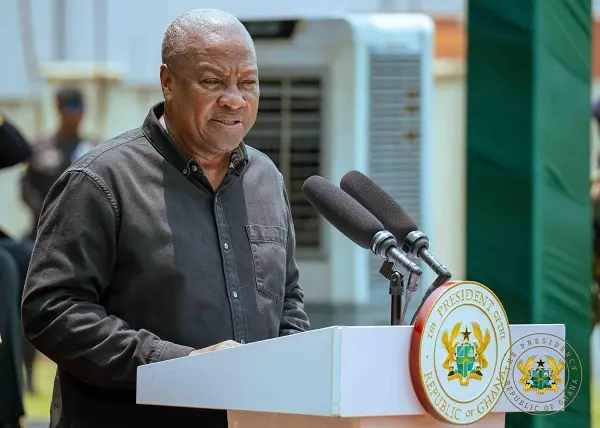
Image: GhanaWeb
GhanaFront aggregates news from trusted sources. Click to read the original article.
Keywords
Explore related tagsMore from GhanaWeb
Related Stories
More from Business & Economy
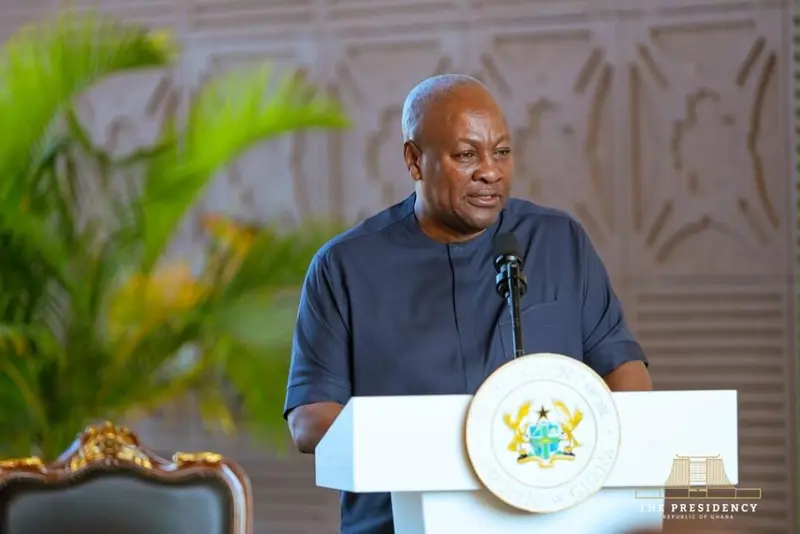
Ghana's economy has moved from standing on broomsticks to concrete pillars - Mahama
How has Ghana's economy transformed to withstand global shocks? Mahama explains the shift from fragility to strength.
3d ago•