Loss of indigenous languages could erase cultural knowledge - Historian cautions
A prominent voice from the University of Ghana's Institute of African Studies recently lent their expertise to a national radio program, focusing on a subject that has been simmering in academic and cultural circles for years. This individual, deeply involved in the study of African societies and their evolution, brought to the forefront concerns about the trajectory of Ghanaian identity in a rapidly changing world. The discussion centered on the role of communication in shaping societal norms, knowledge transfer, and the very fabric of cultural understanding.
The preservation of indigenous languages in Ghana is a complex issue deeply intertwined with the nation's history, its socio-economic development, and its ongoing quest to define its place on the global stage. Ghana, a nation celebrated for its rich tapestry of ethnic groups and linguistic diversity, faces a challenge common to many post-colonial African nations: the tension between embracing a globalized world, often dominated by English, and safeguarding the cultural heritage embedded within its local languages. This tension is further complicated by internal migration patterns, the dominance of certain languages in commerce and education, and the aspirational pull of English as a perceived key to upward mobility. For many years, scholars, cultural activists, and language enthusiasts have voiced concerns about the gradual erosion of these linguistic treasures, warning of the potential loss of invaluable cultural knowledge and traditions. The debate often revolves around questions of national identity, the role of education in promoting linguistic diversity, and the responsibility of the government and communities in actively preserving these languages for future generations.
The stakes are high, involving a diverse array of actors with vested interests. On one side are the communities who speak these languages, often facing socio-economic pressures that incentivize the adoption of more widely spoken languages. Then there are the educators, grappling with the challenge of balancing the demands of a curriculum largely delivered in English with the desire to promote mother-tongue literacy. Government agencies, tasked with formulating and implementing language policies, find themselves navigating a complex landscape of competing priorities and limited resources. Academics and researchers, like the aforementioned voice, play a crucial role in documenting and analyzing the trends, raising awareness, and advocating for effective preservation strategies. Adding to the complexity is the influence of media and popular culture, which often prioritize English or Akan, further marginalizing minority languages. The underlying tension lies in the potential for cultural homogenization, where the dominance of a few languages could lead to the erasure of unique cultural perspectives and knowledge systems.
Several key questions remain at the forefront of this ongoing discussion. What concrete steps can be taken to revitalize endangered languages and ensure their transmission to younger generations? How can education policies be reformed to promote multilingualism and value the importance of indigenous languages? What role can technology play in preserving and promoting these languages in the digital age? What are the long-term consequences of language loss on Ghana's cultural identity and its ability to draw upon its rich heritage for innovation and development? These are the questions that continue to drive the conversation and shape the future of Ghana's linguistic landscape.
Quick Summary
A historian is cautioning that Ghana risks losing its cultural knowledge. He says language is central to the survival of culture and knowledge - and more than just everyday communication.
Summary - read the full story for complete context.

Image: MyJoyOnline
GhanaFront aggregates news from trusted sources. Click to read the original article.
Keywords
Explore related tagsMore from MyJoyOnline
Related Stories
More from Education
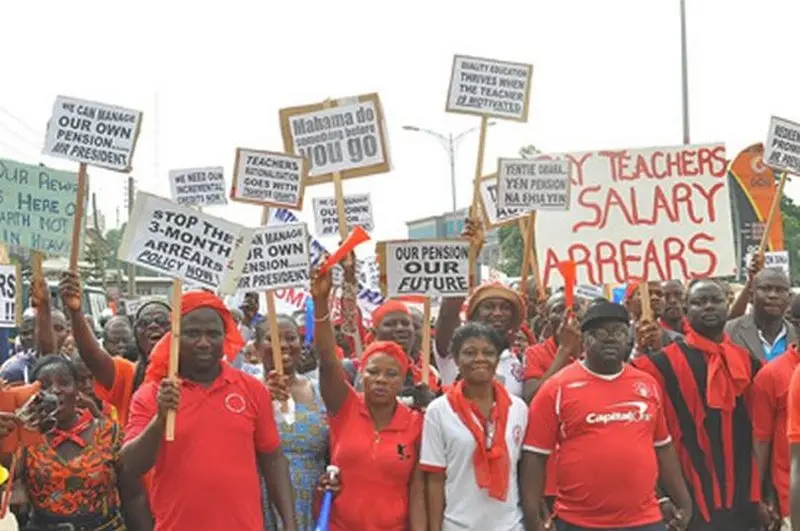
Aggrieved teachers demand payment of unpaid four-year legacy arrears
Teachers who waited years for pay from 2012-2015 now look to President Mahama with a familiar promise.
2d ago•2 min read