Lebanon says 19 killed in Israeli air strikes
Lebanon says Israeli air strikes killed at least 19 people in southern Lebanon. The country's health ministry said 10 of them, including three children and three women, were killed in a single attack that hit a house in the town of Deir Qanoun.
The health ministry said that in addition to the deaths in Deir Qanoun, three people were wounded, including a young girl. A further nine people were killed and 29 injured in Israeli air strikes on the Nabatieh and Tyre districts, the ministry said. The number of people killed in the country by Israeli strikes during the conflict between Israel and Hezbollah since March has surpassed 3,000, the health ministry said on Monday. On Tuesday, the Israeli military announced that another soldier was killed in an attack by Hezbollah in southern Lebanon. Hezbollah said its fighters "clashed … with a force of the Israeli enemy army that tried to advance towards the vicinity of the town square of Haddatha," Agence France-Presse reported.
The latest deaths occurred less than a week after the US said that Lebanon and Israel had agreed to extend a ceasefire by 45 days, with the two sides set to resume talks at the beginning of June. Despite the extension, both Israel and Hezbollah have continued to exchange fire, especially in southern Lebanon.
Quick Summary
Tensions along the Lebanon-Israel border continue to escalate as Israeli forces and Hezbollah exchange fire. Civilian casualties are mounting, and international efforts to maintain a ceasefire face challenges - what could this mean for regional stability?
Summary - read the full story for complete context.
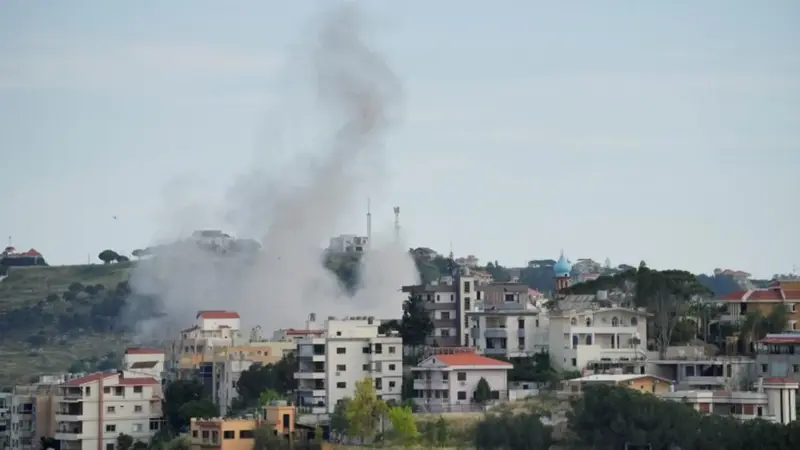
Image: MyJoyOnline
GhanaFront aggregates news from trusted sources. Click to read the original article.
Keywords
Explore related tagsMore from MyJoyOnline
Related Stories
More from Regional
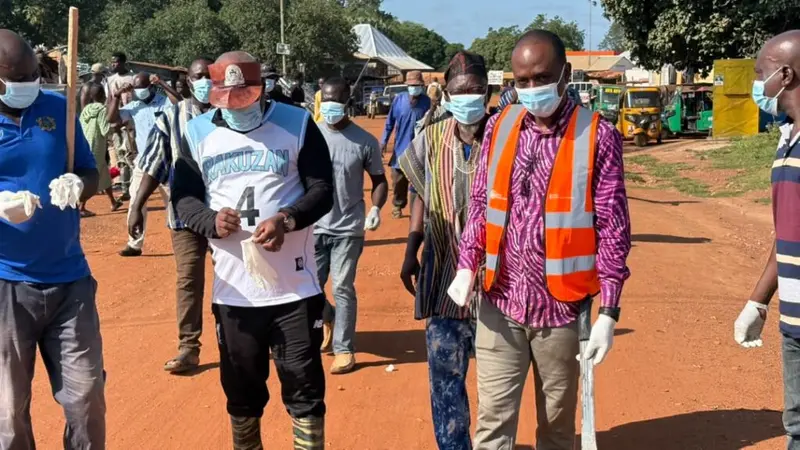
Dorimon Naa, Wa West DCE lead massive clean-up exercise; threaten sanctions against recalcitrant residents
A traditional ruler joins a district clean-up, but warns of sanctions for those who skip future exercises.
1d ago•