Kwakye Ofosu Pushes Back as NPP Demands Apology Over Anti-LGBTQ Bill
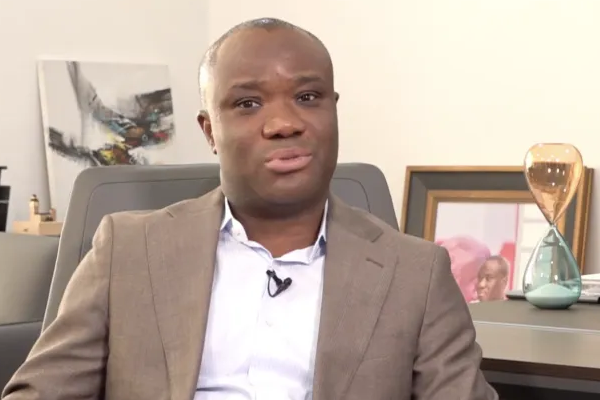
Image: GhanaFront Editorial
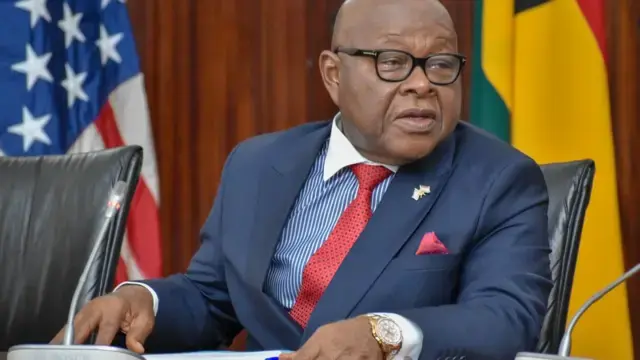
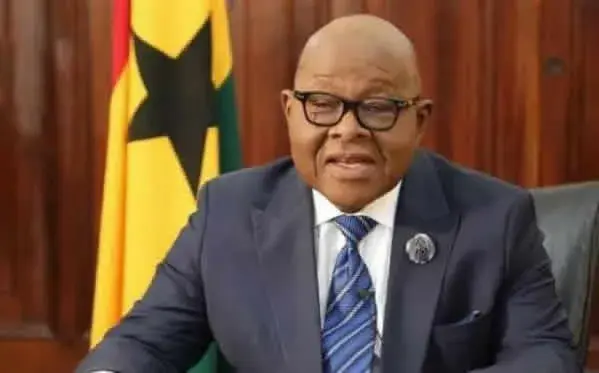
The latest political clash over Ghana's anti-LGBTQ legislation has taken a sharper turn, with Government Communications Minister Felix Kwakye Ofosu flatly rejecting calls for President John Dramani Mahama to apologise over the administration's posture on the matter.
The demand came from the Minority in Parliament after concerns were raised about the constitutional review process and what opposition figures say could open the door to LGBTQ-related provisions finding their way into Ghana's legal framework. But for government, the response has been blunt: the President will not apologise for placing jobs, livelihoods and economic relief at the centre of his agenda.
Minority links constitutional review to fresh concerns
The immediate trigger for the disagreement was a press conference held on April 7 by Assin South MP John Ntim Fordjour, who sponsored the anti-LGBTQ bill. At that briefing, he pointed to recommendations on pages 107 and 108 of the Constitutional Review Committee's report, arguing that they revealed developments that should worry Ghanaians who support stricter legal protection of what they describe as traditional family values.
That intervention gave fresh momentum to the Minority's criticism of the Mahama administration. Opposition MPs subsequently called on both the President and the governing National Democratic Congress to apologise to religious leaders and traditional authorities, accusing government of failing to give the anti-LGBTQ bill the attention they believe it deserves.
For the Minority, the issue is not just about legislative timing. It is also about political trust. Their argument suggests that signals emerging from the constitutional review conversation do not sit comfortably with the expectations of groups that have consistently backed the bill and want the state to move decisively.
At the centre of the dispute are recommendations on pages 107 and 108 of the Constitutional Review Committee report, which the Minority says raise serious concerns about LGBTQ-related concepts entering constitutional debate.
The position from the opposition therefore combines two strands: suspicion about the direction of constitutional reform, and disappointment that the current administration has not made the bill a defining early priority.
Government says livelihoods come first
Appearing on The Pulse on JoyNews on Tuesday, April 7, Felix Kwakye Ofosu dismissed the apology demand and questioned the basis for it. His response framed the argument in practical terms, asking whether Ghanaians truly expect the President to treat the LGBTQ debate as more urgent than economic welfare.
In his view, the government's first obligation is to citizens' material conditions. That means focusing on employment, stability and relief for ordinary households, not allowing political opponents to dictate priorities through public pressure.
Kwakye Ofosu's comments were direct and confrontational. He challenged the logic behind the Minority's demand and suggested that insisting on an apology ignored the realities facing many Ghanaians.
"What is there to apologise for?" Kwakye Ofosu asked, arguing that government cannot be faulted for prioritising the welfare of citizens, job creation and economic stability.
That framing is significant. Rather than enter an extended defence of the constitutional review process itself, the minister shifted the debate toward governance priorities. It was a deliberate political contrast: on one side, government says it is focused on bread-and-butter issues; on the other, the opposition is portrayed as fixated on a culture-war issue while citizens are more concerned about daily survival.
He pushed that point further by suggesting the Minority's political energy is being spent in the wrong place. In his telling, the demand for an apology is less a serious national necessity and more an exercise in misplaced opposition politics.
- Government says welfare remains its core priority.
- Key areas cited include job creation and economic stability.
- The apology demand has been dismissed as illogical.
NPP's own record comes under scrutiny
Beyond rejecting the call itself, Kwakye Ofosu also turned the spotlight back on the New Patriotic Party. He questioned why the same side now presenting the anti-LGBTQ bill as urgent did not complete the process while it controlled executive power.
That line of attack is politically potent because it seeks to undercut the opposition's moral urgency. If the bill was truly a top priority, government communicators argue, then the NPP should have signed or secured action on it while it was in office. Raising the issue more aggressively after leaving power, in this interpretation, weakens the credibility of the outrage now being expressed.
The minister's criticism therefore goes beyond policy disagreement. It accuses the opposition of inconsistency. By asking when exactly the issue became so pressing, he cast the renewed campaign as opportunistic rather than principled.
Kwakye Ofosu questioned why the anti-LGBTQ bill was not signed into effect when the NPP was in office if it was truly one of the party's top priorities.
That counterattack matters because the anti-LGBTQ bill has never existed in a political vacuum. It sits at the intersection of law, religion, party strategy and electoral identity. Any party seen as hesitant risks criticism from conservative constituencies, while any party seen as exploiting the issue selectively risks charges of bad faith. The current exchange shows that both sides understand the symbolic weight attached to the bill and are trying to define the public meaning of that weight in their favour.
For now, the disagreement appears set to remain part of a broader national conversation. On one level, it is a fight about constitutional interpretation and legislative intent. On another, it is a contest over what should rank highest on Ghana's policy agenda at a time when many citizens are looking for economic improvement and concrete relief in their daily lives.
What the confrontation makes clear is that the anti-LGBTQ bill remains a highly charged issue, capable of drawing in Parliament, the presidency, religious stakeholders and the wider public all at once. Yet the latest government response signals there will be no retreat into apology politics. Instead, the administration is drawing a firm line: it intends to defend its priorities on jobs and welfare, even as opponents keep pressure on over the bill.
Whether that stance settles the matter is unlikely. The constitutional review recommendations cited by the Minority will continue to attract attention, and opposition voices will likely keep demanding clarity on government's intentions. But as of now, the message from the presidency's communications front is unmistakable. The administration does not believe it owes anyone an apology for putting the economic well-being of Ghanaians ahead of a politically explosive legislative fight.
More from GhanaFront Editorial
Related Stories
More from Politics
Mahama committed to developing Volta Region - Chief of Staff
A presidential envoy's presence at a major durbar hints at new commitments for the Volta Region.
6h ago•2 min read