Kumawood Rises: Kumasi Summit Charts Course for Ghana Film Industry Revival

Image: GhanaFront Editorial
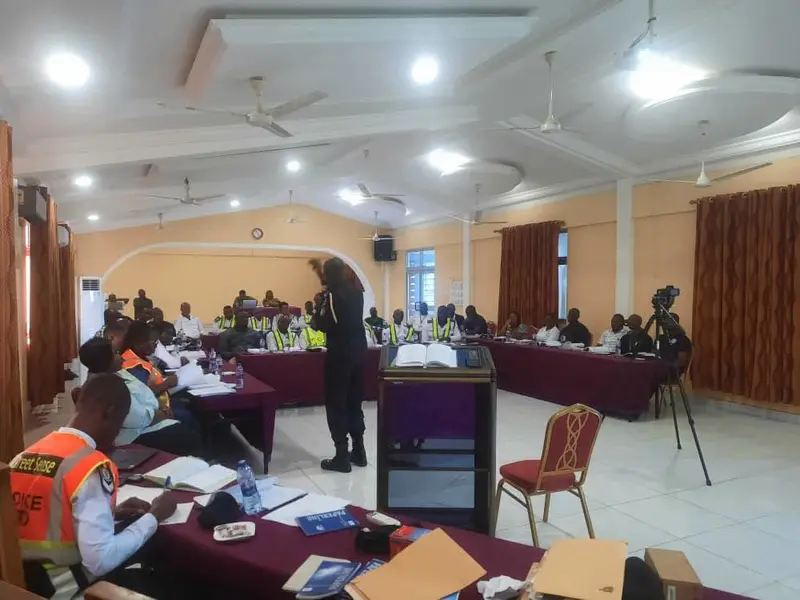
The once-thriving corridors of Kumawood are stirring again. In a bold collective effort to breathe new life into Ghana's Akan-language film industry, stakeholders from across the creative sector converged on Kumasi last week for a landmark Filmmakers Summit, held as part of the Ashanti Festival 2026 celebrations. The gathering brought together veterans, emerging talents, policy makers and financiers under one roof -- all united by a single ambition: to restore Kumawood to its former glory and propel it into the global spotlight.
A Legacy Worth Reviving
At its peak, Kumawood was more than entertainment. It was an industry -- a genuine economic engine for the Ashanti Region that created thousands of jobs, from actors and directors to set designers, makeup artists and distribution agents. Films produced out of Kumasi were sold on street corners, watched in communal video centres, and cherished in living rooms across Ghana and the diaspora. The stories it told were Ghanaian to the bone: rooted in Akan culture, laced with humour, drama and the everyday realities of Ghanaian life.
But the industry's trajectory shifted. Piracy, the explosion of digital content, shifting audience tastes, inadequate funding and the lack of structured distribution networks all conspired to erode what had been built. Production volumes dropped. Some of the industry's biggest stars went quiet. And a generation of young Ghanaians grew up watching Nigerian Nollywood and streaming foreign content, wondering where the Ghanaian stories had gone.
The Filmmakers Summit was convened with the recognition that this decline is not irreversible.
Bringing Veterans and Youth Together
Emmanuel Opoku Anane, Secretary to the Kumawood Board of Directors, framed the summit's purpose in clear terms: create the conditions for cross-generational dialogue within the industry.
"The participants have the chance to meet the legends who entertained them, contribute ideas, and work together to revive the industry. We are not just talking about nostalgia -- we are talking about building a sustainable future," he said.
Mr. Anane acknowledged that the lapses of recent years have taken a toll on output and public perception, but argued that the industry's strong cultural foundation gives it unique resilience. "Kumawood has always had an audience. The people never stopped loving these stories -- the industry just stopped finding ways to reach them effectively," he said.
The summit structured its sessions to facilitate precisely that kind of cross-pollination -- veteran filmmakers sharing hard-won lessons about production quality and audience connection, while younger creatives brought expertise in digital distribution, social media storytelling, and short-form content strategies suited to contemporary consumption habits.
GH¢20 Million on the Table
Perhaps the most consequential announcement at the summit came from James Gardiner, Deputy Chief Executive Officer of the Ghana Film Authority. He confirmed that the Ministry of Finance has earmarked GH¢20 million to reposition the Ghanaian film industry -- a fund designed to attract investors, support productions, and strengthen distribution infrastructure both domestically and internationally.
"This is a significant vote of confidence in our creative industry. Government recognises that film is not just culture -- it is commerce, it is tourism, it is national branding on the world stage," Gardiner told delegates.
The Deputy CEO outlined a multi-pronged strategy underpinning the fund's deployment. Beyond direct production grants, the Ghana Film Authority is working to establish structured policy reforms that will make the regulatory environment more conducive to private investment. Technical training programmes will be expanded to close skill gaps in areas like cinematography, post-production editing, sound design and screenwriting. Talent development initiatives targeting students in tertiary institutions are also on the agenda.
Gardiner stressed that Ghanaian cinema's long-term viability depends on its ability to compete not merely within the West African sub-region, but on global platforms. "We have stories the world has not heard. We have landscapes, culture, and talent that are world-class. The question is whether we build the infrastructure to deliver those stories with the quality and reach they deserve," he said.
Film as Tourism -- A Proven Model
One of the recurring themes at the summit was the untapped potential of film tourism -- the phenomenon through which popular films drive international visitors to their filming locations and cultural settings. Countries like South Korea, New Zealand and Nigeria have each demonstrated how a thriving film industry can translate directly into tourism revenue and national brand equity.
Ghana, with its rich heritage sites, diverse landscapes and vibrant cultural traditions, is well positioned to replicate this model. The Ashanti Region alone -- home to the Manhyia Palace, Lake Bosomtwe, the Kente weaving villages of Bonwire, and the historic sites of Kumasi -- offers a compelling cinematic canvas that remains largely underutilised by the film industry.
Delegates agreed that this connection between film, culture and tourism must be deliberately cultivated. Co-productions with international partners, strategic placement of Ghana on the African film circuit, and active promotion of filming locations to foreign studios were all identified as priority areas.
The Financing Challenge
No conversation about Kumawood's revival can sidestep the persistent challenge of financing. Film production is capital-intensive, and the informal structures that historically supported Kumawood -- individual producers funding projects from personal savings or small investor pools -- are insufficient for the quality levels required to compete in today's market.
Participants at the summit were candid about this reality. Several filmmakers spoke about the difficulty of securing upfront financing, recouping production costs in a market still plagued by piracy, and accessing the kind of post-production facilities that would elevate the technical quality of their work.
The GH¢20 million Film Fund was welcomed, but speakers cautioned that its impact will depend entirely on how it is administered. Calls were made for transparent, merit-based disbursement processes, clear eligibility criteria for applicants, and a component dedicated to training and capacity building rather than solely production grants.
There was also strong interest in public-private partnership models -- structures that could see corporate sponsors, diaspora investors and international co-production partners contribute alongside government funding to build a more resilient financing ecosystem.
Professional Standards as a Non-Negotiable
A frank conversation about professional standards ran through the summit's proceedings. Kumawood's historical reputation for rapid, low-budget productions has been both a strength -- enabling high output volumes -- and a weakness, particularly as audiences have grown more discerning and competition from high-quality international content has intensified.
Filmmakers, executives and the Ghana Film Authority were in agreement: raising production quality is not optional. It is the price of relevance in the current media landscape. That means investing in better cameras and sound equipment, hiring trained crew members, developing strong scripts before cameras roll, and dedicating adequate time and resources to post-production.
Several participants pointed to the growing success of Nigerian productions on platforms like Netflix and Prime Video as both a competitive challenge and a proof of concept. "Nigeria showed us what is possible when African stories are told with the production values they deserve. We in Ghana have just as compelling stories to tell -- we simply have to commit to telling them well," one filmmaker noted.
A Call for Collaboration
The Filmmakers Summit closed with a consensus document outlining key areas for collective action: improved financing structures, mandatory professional training for aspiring filmmakers, strengthened intellectual property protection to combat piracy, and the establishment of a formal annual convening to track progress and sustain momentum.
Mr. Anane expressed confidence that the summit had moved beyond mere rhetoric. "We came here to talk, yes -- but also to commit. The industry needs action, not more conferences about action. The conversations we had here will translate into concrete steps," he said.
The Ghana Film Authority signalled its intention to follow up with stakeholders on the implementation of the Film Fund within the coming months, with further announcements expected before the end of the second quarter of 2026.
Kumawood's Moment
For those who grew up on Kumawood films -- who laughed at the comedies, were moved by the dramas, and saw their own lives reflected in the stories -- the summit represents something more than a policy conversation. It represents a promise that the industry they love has not been abandoned.
The creative infrastructure of Kumasi, the talent within the Ashanti Region, and the enduring appetite of Ghanaian audiences for locally resonant stories are all still there. With the right investment, the right policies, and the right collaborative spirit, Kumawood's second chapter could well surpass its first.
The cameras, it seems, are ready to roll again.
More from GhanaFront Editorial
Related Stories
More from Technology

The importance of technology and artificial intelligence in tourism
How are smart tools changing the way tourists explore Ghana? The answer may surprise you.
1d ago•4 min read