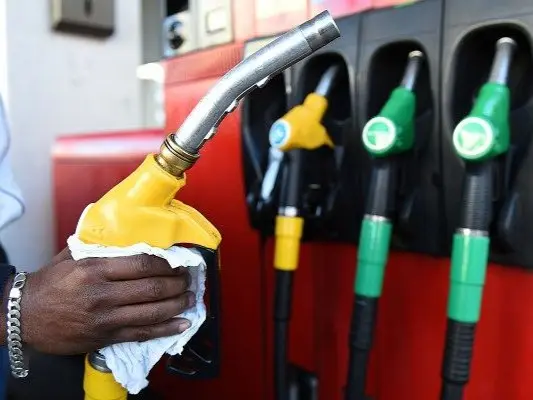
Know the taxes abolished in Ghana
Ghana's economic landscape is constantly shifting, with debates raging about the best path to prosperity. Recent policy changes have brought the national tax system into sharp focus, sparking discussions among economists, business owners, and everyday citizens. The intricacies of tax law can seem daunting, but understanding these changes is crucial for anyone looking to navigate the Ghanaian economy. The government's stated aim is to create a system that is both efficient and equitable, but the reality of implementation is often complex.
Taxation in Ghana has a long and evolving history, deeply intertwined with the nation's economic development. From colonial-era levies to post-independence reforms, the tax system has been shaped by various political ideologies and economic priorities. In recent years, Ghana has grappled with balancing the need for revenue generation with the desire to stimulate economic growth. The country has experimented with different tax models, each with its own set of advantages and disadvantages. The current economic climate, marked by global uncertainties and domestic challenges, has amplified the importance of a well-functioning tax system. The debate over tax policy is not just about numbers; it's about the fundamental principles of fairness, opportunity, and national development.
The key players in this ongoing discussion include government officials responsible for economic policy, business leaders concerned about the impact on their bottom lines, and ordinary citizens who bear the ultimate burden of taxation. Tensions often arise between these groups, as each has different priorities and perspectives. The government aims to raise sufficient revenue to fund public services and infrastructure projects, while businesses seek to minimize their tax obligations to maximize profits and investment. Citizens, on the other hand, want a tax system that is fair, transparent, and used to improve their quality of life. The stakes are high, as the success or failure of these tax policies could have far-reaching consequences for Ghana's economic future.
Several open questions remain regarding the impact of these tax changes. Will these adjustments truly simplify the tax system and reduce the burden on taxpayers? Will they stimulate economic growth in key sectors? And, perhaps most importantly, will they lead to increased tax compliance and a more equitable distribution of the tax burden? The answers to these questions will determine whether these policies achieve their intended goals and contribute to a more prosperous Ghana. The effectiveness of these changes will be closely watched by stakeholders across the country, as they seek to understand the implications for their businesses, their livelihoods, and the nation as a whole.
Quick Summary
Ghana's Parliament has abolished several tax laws since 2024 to enhance the tax system and lessen burdens on taxpayers. These changes aim to simplify administration and promote economic growth - but what impact will it have?
Summary - read the full story for complete context.

Image: MyJoyOnline
GhanaFront aggregates news from trusted sources. Click to read the original article.
Keywords
Explore related tagsMore from MyJoyOnline
Related Stories
More from Business & Economy
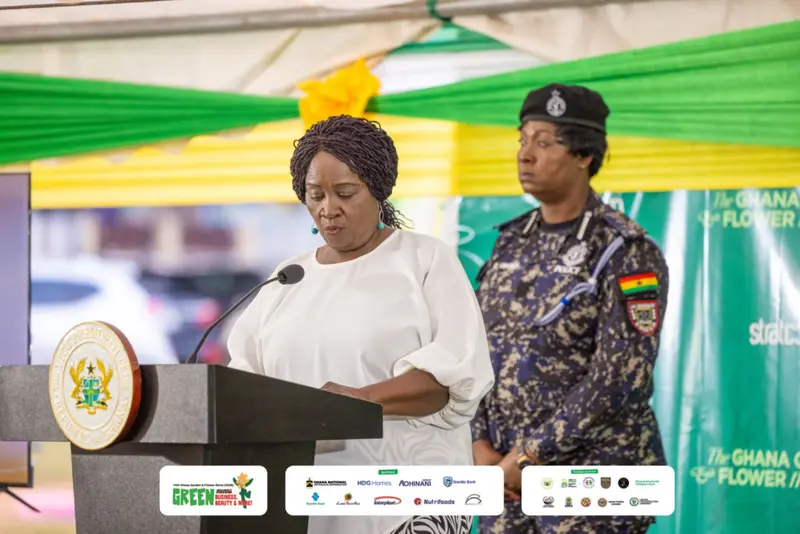
Horticulture can create jobs, businesses and export opportunities for Ghana - Prof Naana Jane
Could Ghana's flower industry bloom into a global export powerhouse? The Vice President thinks so - but there's a catch.
1d ago•