Joeboy explains why it's now more difficult for new artistes to go mainstream
The Ghanaian music scene is a vibrant tapestry woven with diverse sounds, from the infectious rhythms of Afrobeats to the soulful melodies of highlife. For decades, aspiring musicians have dreamt of "making it big," of transitioning from local gigs and underground mixtapes to national recognition and international acclaim. The path to mainstream success, however, has always been a complex one, fraught with challenges and requiring a delicate balance of talent, hard work, and strategic planning. Many Ghanaian artists look to their Nigerian counterparts, often seeing them as trailblazers in the global Afrobeats movement, observing their strategies and successes with keen interest.
The evolution of the music industry, both globally and within Ghana, has been significantly shaped by technological advancements and the rise of social media. The traditional gatekeepers - radio stations, record labels, and established media outlets - still hold sway, but their influence is increasingly being challenged by the democratization of content creation and distribution offered by platforms like YouTube, TikTok, and Instagram. This shift has created both opportunities and obstacles for emerging artists. On one hand, it allows them to bypass traditional barriers and connect directly with audiences, building a fanbase and generating buzz independently. On the other hand, it has also led to a more saturated market, where the sheer volume of content makes it increasingly difficult to stand out from the crowd. The conversation around what it *really* takes to "blow up" is a constant topic of debate amongst artists, producers, and industry insiders.
Several key players are currently shaping the landscape of Ghanaian music. Established artists, who have already achieved mainstream success, serve as role models and mentors for the next generation. Record labels, both local and international, play a crucial role in providing funding, marketing support, and distribution networks. Social media influencers and bloggers wield considerable power in shaping public opinion and driving trends. The tension lies in navigating this complex ecosystem, where artistic integrity must be balanced with commercial viability. The stakes are high, not only for individual artists but also for the Ghanaian music industry as a whole, as it strives to maintain its unique identity while competing on a global stage. The question of how to effectively leverage social media without compromising artistic vision is a central concern.
Ultimately, the discussion centers on the evolving definition of "mainstream success" in the digital age. Is it solely about chart positions and radio airplay, or does it encompass a broader range of metrics, such as social media engagement, streaming numbers, and brand partnerships? How can aspiring artists navigate the pressures of social media without losing sight of their artistic goals? And what role do industry stakeholders play in fostering a sustainable and equitable ecosystem that supports the growth of Ghanaian music? These are some of the open questions that continue to drive the conversation and shape the future of the industry.
Quick Summary
Nigerian singer Joeboy has shared his thoughts on the current state of the music industry. He highlights the evolving challenges faced by emerging artists- suggesting a shift in what it takes to succeed.
Summary - read the full story for complete context.
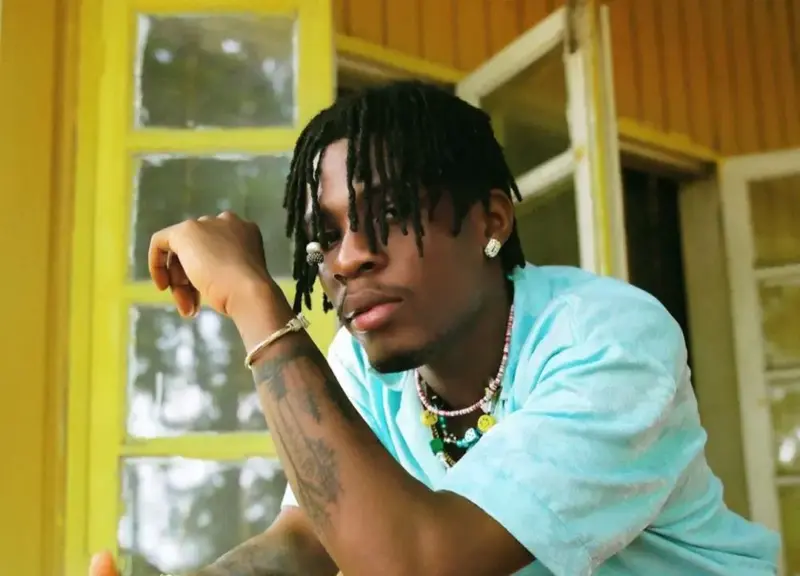
Image: MyJoyOnline
GhanaFront aggregates news from trusted sources. Click to read the original article.
Keywords
Explore related tagsMore from MyJoyOnline
Related Stories
More from Entertainment
How Ghana's Gen Z is rewriting sustainability through style
At a beach rave, young revelers turn second-hand fashion into a statement - but what does it mean for the planet?
14h ago•4 min read