Israel says it has killed Ali Larijani, Iran's top security official
The relationship between Israel and Iran is a complex and often volatile one, marked by decades of mutual suspicion and proxy conflicts. Both nations wield significant influence in the Middle East, and their rivalry plays out across the region, impacting numerous countries and international relations. Iran, a predominantly Shia Muslim nation, has long positioned itself as a champion of Palestinian rights and a staunch critic of Israeli policies towards Palestinians. This stance has fueled tensions, as Israel views Iran's support for groups like Hamas and Hezbollah as a direct threat to its security.
Ghana, though geographically distant, is not immune to the ripple effects of this conflict. As a nation with a significant Muslim population and a commitment to international peace and security, Ghana carefully observes developments in the Middle East. The potential for escalation between Israel and Iran carries implications for global stability, including energy prices, international trade, and the spread of extremist ideologies. Ghana also has a history of participating in peacekeeping missions in the region, highlighting its vested interest in maintaining stability. Furthermore, the ongoing tensions can influence domestic political discourse, particularly regarding foreign policy and religious identity.
Several key players are involved in this intricate geopolitical dance. On the Iranian side, the Supreme National Security Council plays a crucial role in shaping the nation's security and foreign policy. The Islamic Revolutionary Guard Corps (IRGC), a powerful military and political force, is deeply involved in Iran's regional activities. In Israel, the Ministry of Defence and the military establishment are at the forefront of responding to perceived threats and implementing security strategies. Beyond the two nations, international actors like the United States, Russia, and European powers also exert influence, often mediating or taking sides in the conflict. The stakes are high, as any miscalculation or escalation could trigger a wider regional conflict with devastating consequences.
Several crucial questions remain unanswered. What are the potential ramifications for regional stability if certain claims are substantiated? How might this affect Iran's internal political dynamics and its relationship with its neighbors? What will be the international community's response to the unfolding events, and how might this influence future interactions between the involved parties? The answers to these questions will undoubtedly shape the trajectory of the conflict and its impact on the global stage, making it essential to stay informed and analyze the situation as it develops.
Quick Summary
Israel's Defence Minister Katz has claimed the country killed Ali Larijani, secretary of Iran's Supreme National Security Council. Larijani's death would be the highest level assassination in the ongoing conflict - but what does it mean for the region?
Summary - read the full story for complete context.
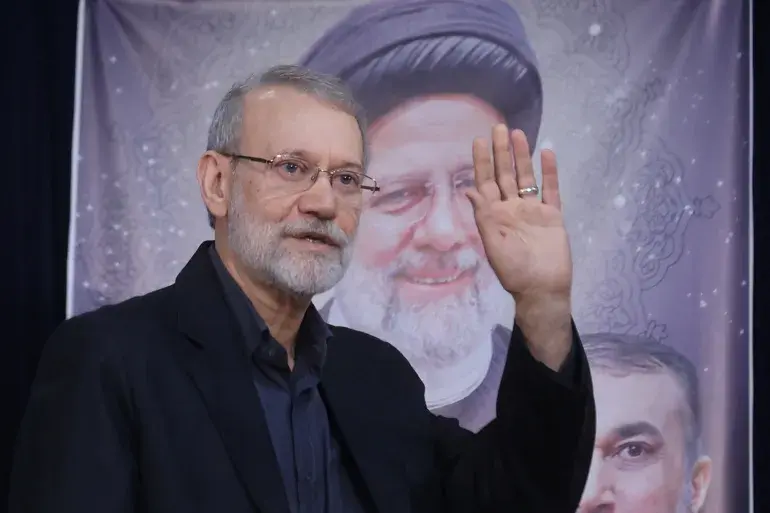
Image: MyJoyOnline
GhanaFront aggregates news from trusted sources. Click to read the original article.
Keywords
Explore related tagsMore from MyJoyOnline
Related Stories
More from Politics
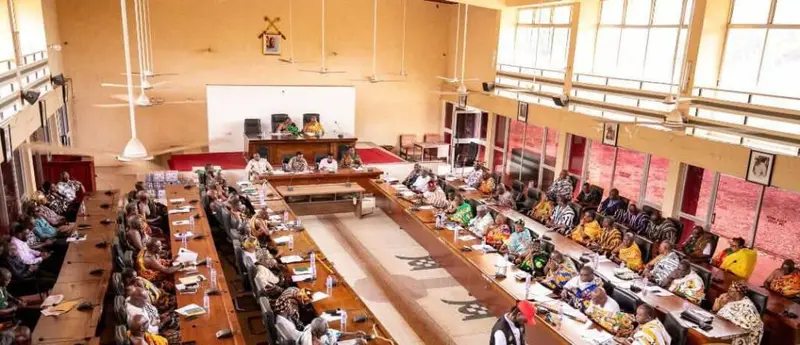
Do not identify yourself as Ziavi Paramount Chief or Queen - Volta Region House of Chiefs warns
A traditional leadership battle in Ziavi faces a judicial freeze - who will ultimately claim the stool?
1d ago•