'I didn't fall on my own' - Woman in Bills Micro Credit viral video speaks
Microfinance institutions play a significant, yet often controversial, role in Ghana's economic landscape. These institutions provide small loans to individuals and businesses that typically lack access to traditional banking services. They are particularly prevalent in rural areas and among informal sector workers, offering a lifeline for entrepreneurs and individuals seeking to improve their livelihoods. The sector has experienced rapid growth in recent years, driven by the demand for accessible credit and the potential for high returns. However, this growth has also been accompanied by concerns about predatory lending practices and the potential for exploitation of vulnerable borrowers.
Ghana's history with microfinance is complex, marked by both successes and failures. While some institutions have genuinely empowered communities and fostered economic development, others have been accused of charging exorbitant interest rates and employing aggressive debt collection tactics. The regulatory environment has struggled to keep pace with the sector's rapid expansion, leading to loopholes and opportunities for unethical behavior. This has resulted in instances of financial distress for borrowers and reputational damage for the entire microfinance industry. The government has attempted to address these issues through legislation and regulatory oversight, but challenges remain in ensuring responsible lending practices and protecting the rights of borrowers. The trend towards mobile money integration has further complicated the landscape, offering both convenience and new avenues for potential abuse.
The current situation highlights the inherent tensions between the need for accessible credit and the imperative to protect vulnerable populations. Key players include the microfinance institutions themselves, their borrowers, regulatory bodies like the Bank of Ghana, and advocacy groups working to promote financial literacy and consumer protection. The stakes are high, as the well-being of individuals and the stability of the microfinance sector are intertwined. Allegations of misconduct can erode public trust and undermine the sector's ability to serve its intended purpose. The potential for social unrest and political fallout also looms large, particularly if vulnerable borrowers are perceived to be victims of unfair or abusive practices.
Several open questions remain that will likely drive further investigation and public debate. How effectively are existing regulations being enforced to prevent predatory lending practices? What recourse do borrowers have when they feel they have been treated unfairly? What role should technology play in promoting transparency and accountability within the microfinance sector? And ultimately, how can Ghana strike a balance between fostering a thriving microfinance industry and safeguarding the interests of its most vulnerable citizens? These are the questions that Ghanaians are grappling with as they navigate the complex world of microfinance.
Quick Summary
A woman featured in a viral video involving Bills Micro Credit is speaking out about the incident. She claims the event unfolded after a disagreement with staff over an outstanding loan- but what exactly transpired during the confrontation?
Summary - read the full story for complete context.
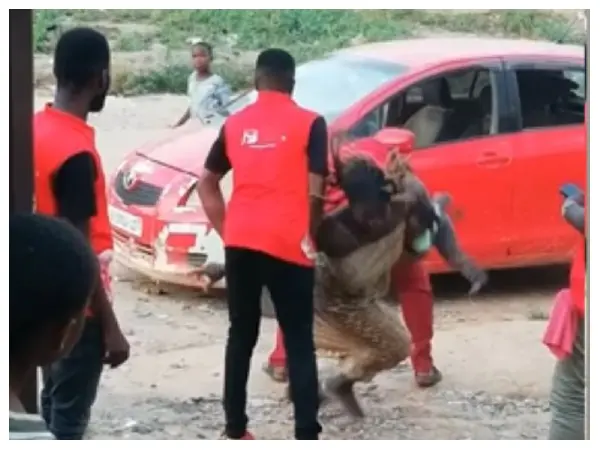
Image: GhanaWeb
GhanaFront aggregates news from trusted sources. Click to read the original article.
Keywords
Explore related tagsMore from GhanaWeb
Related Stories
More from Business & Economy
No two-phone law - GRA clarifies Customs rules for travellers
What really determines whether your phones attract Customs duty at Ghana's borders?
1d ago•3 min read