Here's the latest update on Charles Bissue's corruption case
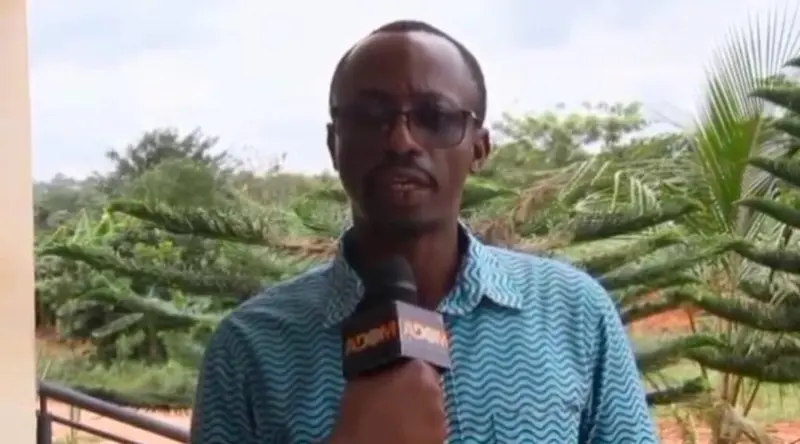
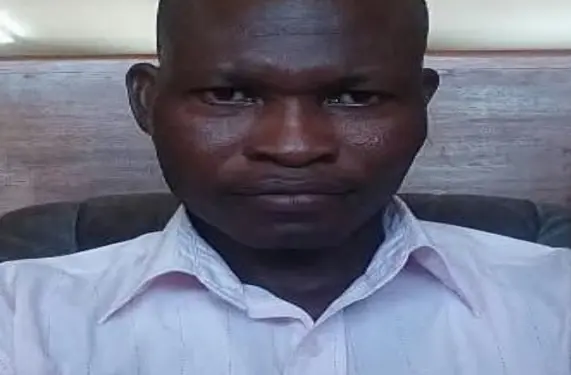
Charles Bissue, a name that has become synonymous with the complexities and controversies surrounding Ghana's fight against illegal mining, finds himself once again at the center of public attention. His tenure as secretary of the Inter-Ministerial Committee on Illegal Mining (IMCM), a body established to combat the pervasive issue of "galamsey," placed him in a position of significant influence and responsibility. The IMCM, tasked with regulating and sanitizing the small-scale mining sector, was seen as a crucial component of the government's efforts to protect the environment and ensure responsible mining practices. Dr. Naa Dedei Tagoe, also figures prominently in this narrative, adding another layer of intrigue to the unfolding legal drama. Her role and connection to Bissue have kept observers keenly interested in the proceedings.
The issue of illegal mining, or "galamsey," is a deeply entrenched problem in Ghana, with far-reaching consequences for the environment, economy, and social fabric of the nation. The practice, often characterized by the use of rudimentary and environmentally destructive methods, has led to widespread deforestation, water pollution, and land degradation. The economic implications are equally significant, with the illegal extraction of minerals depriving the state of much-needed revenue and undermining the formal mining sector. Efforts to combat galamsey have been ongoing for years, with successive governments implementing various strategies to curb the menace. The establishment of the IMCM was a key element of these efforts, aimed at coordinating the activities of various government agencies and stakeholders in the fight against illegal mining. However, the committee's work has been plagued by allegations of corruption and ineffectiveness, raising questions about the true commitment of some officials to tackling the problem.
The key players involved in this unfolding story include not only Charles Bissue and Dr. Tagoe, but also the Office of the Special Prosecutor (OSP), an independent body established to investigate and prosecute corruption-related offenses. The OSP's involvement underscores the seriousness of the allegations and the government's commitment to holding public officials accountable for their actions. The legal proceedings are fraught with tension, as the defense seeks to protect the rights of the accused, while the prosecution aims to ensure that justice is served. The stakes are high, not only for the individuals involved, but also for the broader fight against corruption in Ghana. The outcome of this case could have significant implications for the credibility of the government's anti-corruption efforts and the future of the mining sector.
Several open questions continue to drive public interest in this case. What evidence will the prosecution present to support its allegations against Bissue and his co-accused? How will the defense team challenge the prosecution's case? What impact will this case have on the public's perception of the government's commitment to fighting corruption? How will the ongoing legal proceedings affect the future of the IMCM and the broader efforts to regulate the mining sector? These are just some of the questions that Ghanaians are asking as they follow the unfolding drama. The answers to these questions will undoubtedly shape the narrative surrounding this case and its impact on the political landscape of Ghana.
Quick Summary
Charles Bissue, a former secretary of the Inter-Ministerial Committee on Illegal Mining, is facing corruption charges. An application to halt High Court proceedings has been dismissed- but what does this mean for the ongoing trial?
Summary - read the full story for complete context.
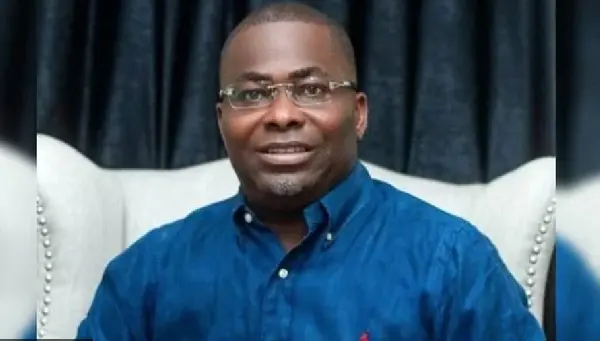
Image: GhanaWeb
GhanaFront aggregates news from trusted sources. Click to read the original article.
Keywords
Explore related tagsMore from GhanaWeb
Related Stories
More from Politics
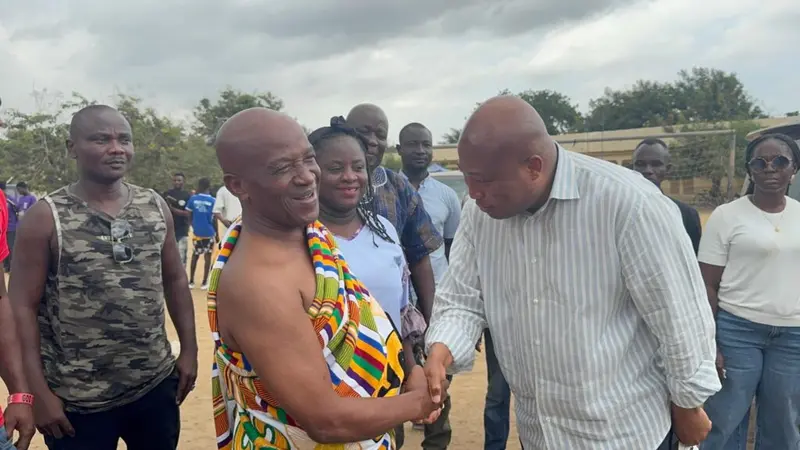
'Our son has helped in all sectors' - Battor Traditional Council hails Ablakwa's development effort
What has the MP done to earn such high praise from traditional leaders?
3d ago•