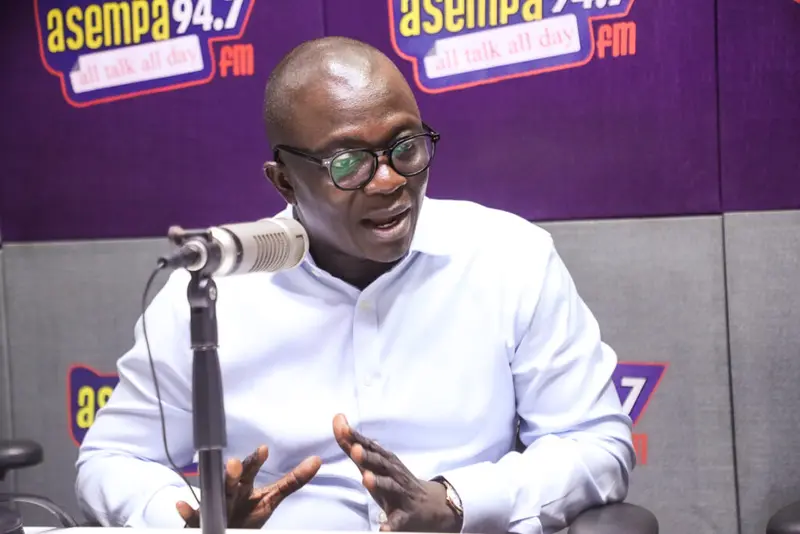
'He didn't ask for it' - Dr Apaak justifies President Mahama's honorary PhD award
The Ghanaian political landscape is often punctuated by debates surrounding the actions and recognitions bestowed upon its leaders, both at home and abroad. Public perception, particularly concerning matters of prestige and honor, can significantly influence the narrative surrounding a president's performance and legacy. The intersection of politics, academia, and international relations frequently generates discussions about the appropriateness and implications of such accolades. This particular instance involves a high-ranking government official and a member of parliament, both engaging in a dialogue about an honor conferred upon the President during an official state visit.
In Ghana, honorary degrees awarded to political figures are not uncommon, but they are often met with scrutiny. There's a delicate balance to be struck between celebrating international recognition and ensuring transparency and accountability. The public often questions the motivations behind such awards, particularly when they are conferred by foreign institutions. Concerns about potential influence or perceived quid pro quo arrangements can quickly surface. Furthermore, the value placed on academic credentials in Ghana is high, and the public tends to hold leaders to a high standard of intellectual integrity. Therefore, the acceptance of an honorary degree can be interpreted in various ways, ranging from a symbol of national pride to a potential source of controversy. The historical context of political leadership in Ghana, marked by periods of both stability and upheaval, contributes to this heightened sensitivity.
The key players in this scenario are the President, whose reputation is directly affected; the Deputy Minister of Education, tasked with defending the government's position; and the Member of Parliament, who represents the concerns of his constituents. The tensions arise from differing perspectives on the appropriateness of accepting such an honor, particularly in the context of a state visit. What's at stake is the public's trust in the President's judgment and the government's commitment to ethical conduct. The opposition party may seize upon this issue to criticize the President, while supporters will likely rally to his defense. The media also plays a significant role in shaping public opinion, amplifying both positive and negative narratives.
Several open questions remain that will likely drive further discussion and analysis. How will the public perceive the justification provided by the Deputy Minister? Will the explanation satisfy concerns about potential conflicts of interest? What impact will this have on the President's approval ratings? Will this incident spark a broader debate about the role of honorary degrees in Ghanaian society and the criteria for awarding them? The answers to these questions will undoubtedly shape the political landscape in the coming weeks and influence the narrative surrounding the President's leadership.
Quick Summary
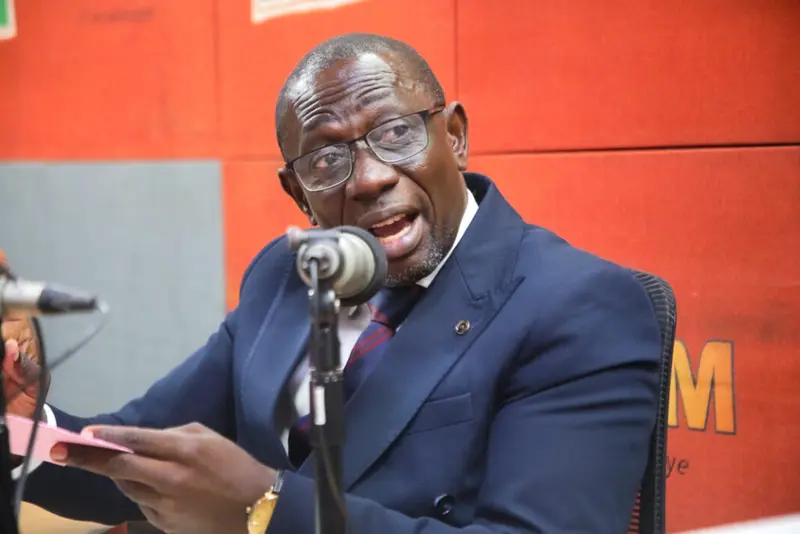
Deputy Minister of Education, Clement Apaak, defended the honorary PhD awarded to President Mahama in South Korea. Apaak clarified the circumstances surrounding the award - suggesting rejecting it would have been inappropriate.
Summary - read the full story for complete context.
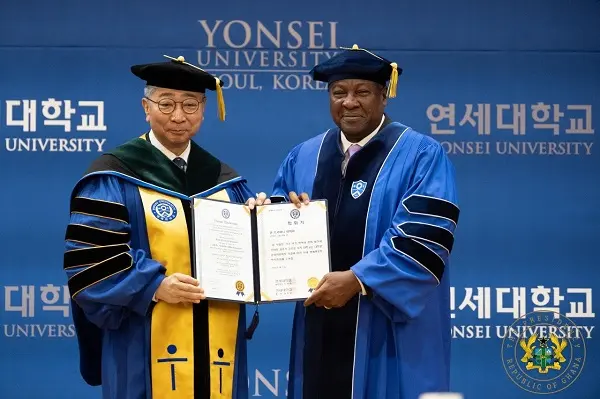
Image: GhanaWeb
GhanaFront aggregates news from trusted sources. Click to read the original article.
Keywords
Explore related tagsMore from GhanaWeb
Related Stories
More from Politics
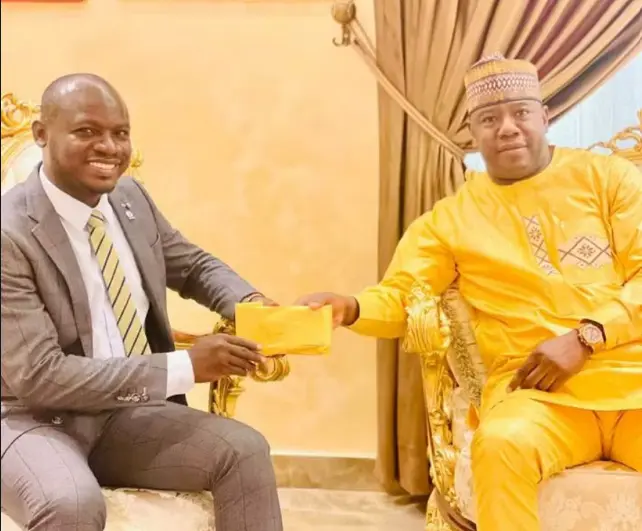
Concerned Citizens of Yendi commend Farouk Aliu Mahama for supporting medical student
Find out how one former MP's recent act could reshape opportunities for students in Yendi.
3d ago•