Government to compile national database of religious institutions
The relationship between the Ghanaian government and religious organizations has always been a complex dance of cooperation and autonomy. Religious bodies, particularly Christian churches and Islamic mosques, wield significant influence in Ghanaian society, impacting everything from education and healthcare to moral values and political discourse. The sheer number and diversity of these institutions, ranging from established denominations to independent charismatic movements and traditional African religious practices, present both opportunities and challenges for governance.
Ghana's religious landscape is vibrant and deeply intertwined with its social fabric. Churches and mosques are not merely places of worship; they are community hubs, providing social services, educational opportunities, and platforms for civic engagement. Historically, religious organizations have played a crucial role in national development, often filling gaps in government services, particularly in underserved communities. This contribution has earned them considerable respect and influence, making them key stakeholders in national conversations. However, the rapid proliferation of religious bodies in recent years has also raised concerns about regulation, accountability, and the potential for exploitation. Questions surrounding financial transparency, adherence to ethical standards, and the impact of certain religious teachings on social cohesion have become increasingly prominent.
The key players in this ongoing narrative include the government, represented by the Ministry responsible for religious affairs, and the diverse leadership of various religious organizations. Tensions can arise from differing perspectives on the role of the state in regulating religious affairs, balancing the need for oversight with the constitutional guarantee of religious freedom. Some religious leaders may view government intervention as an infringement on their autonomy, while others may welcome collaboration to address issues of public concern. The stakes are high, as the outcome of this engagement could significantly impact the relationship between the state and religious institutions, shaping the future of religious practice and its contribution to national development. The potential for misunderstanding and miscommunication is ever-present, requiring careful navigation and a commitment to open dialogue.
Several open questions remain that will likely fuel public interest in this matter. What specific methods will be employed to gather the necessary data? How will the government ensure the privacy and security of the information collected? What mechanisms will be put in place to address concerns about potential misuse of the database? And perhaps most importantly, how will this initiative ultimately translate into tangible benefits for both the government and the religious organizations involved, fostering a more productive and mutually beneficial partnership for the betterment of Ghanaian society? The answers to these questions will undoubtedly shape the narrative moving forward.
Quick Summary
The Local Government Minister has announced plans to compile data on religious institutions in Ghana- to strengthen collaboration between the government and faith-based organisations. The initiative follows questions raised in Parliament, highlighting the need for reliable data.
Summary - read the full story for complete context.
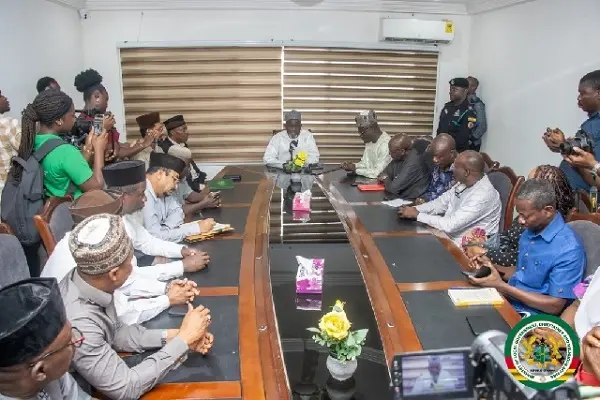
Image: GhanaWeb
GhanaFront aggregates news from trusted sources. Click to read the original article.
Keywords
Explore related tagsMore from GhanaWeb
Related Stories
More from Politics
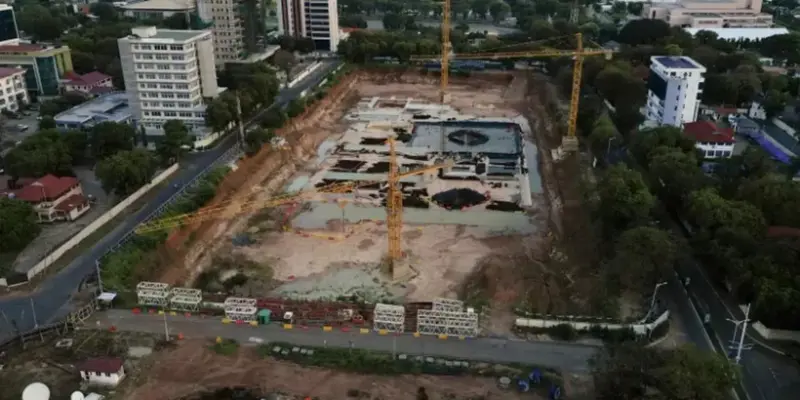
Christian Council urges state to maintain interest in National Cathedral
Why can't the state walk away from the National Cathedral despite the president's rejection of taxpayer funding?
1d ago•2 min read