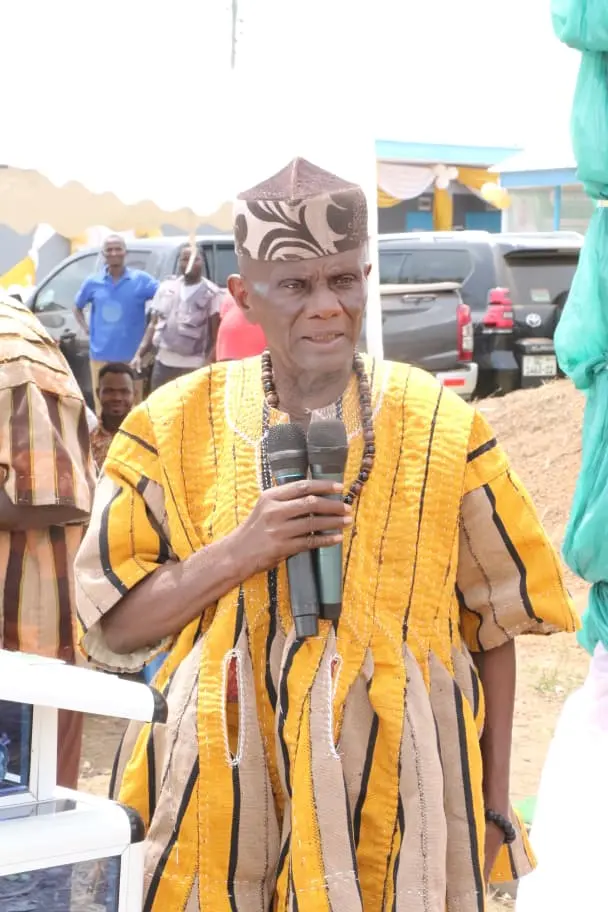
GoldBod signs agreement with Geological Survey Authority for mineral investigations
The Ghanaian mining sector is a complex ecosystem, involving state entities, private companies both large and small, and artisanal miners, all vying for a piece of the nation's rich mineral wealth. The relationship between these actors is often fraught with challenges, ranging from environmental concerns to issues of equitable resource distribution. The government, through various agencies, attempts to navigate these complexities, aiming to balance economic development with sustainable practices and the well-being of local communities. Ensuring transparency and accountability in the mining sector remains a constant pursuit.
Ghana's history is deeply intertwined with gold. From its colonial name, the Gold Coast, to its current status as a major gold producer in Africa, the precious metal has shaped the nation's economy and identity. However, this reliance on gold has also presented significant challenges. Illegal mining, often referred to as "galamsey," has caused widespread environmental damage, polluting water bodies and degrading land. Furthermore, the sector has been plagued by issues of corruption and lack of transparency, hindering its potential to contribute more effectively to national development. There's a growing push for value addition, moving beyond simply extracting raw materials to processing and refining gold within Ghana, creating jobs and boosting the local economy. The government is actively exploring ways to formalize the artisanal mining sector, bringing it under regulatory control and ensuring that miners operate in a safe and environmentally responsible manner.
Several key players are involved in shaping the future of Ghana's gold industry. The Minerals Commission plays a crucial role in regulating the sector, granting licenses, and enforcing regulations. The Ministry of Lands and Natural Resources is responsible for overall policy direction and oversight. Then there are entities like the Ghana Geological Survey Authority, whose expertise is vital for understanding the country's mineral resources. Tensions often arise between these state actors and private mining companies, particularly regarding environmental compliance and revenue sharing. Local communities also have a significant stake, as they are often directly impacted by mining activities. Ensuring that these communities benefit from mining operations and are adequately compensated for any negative impacts is a key challenge.
The potential impact of collaborative initiatives within the mining sector is considerable. Will this particular project lead to a more sustainable and equitable mining industry? What specific strategies will be employed to ensure that the geological data generated is used effectively for responsible mining practices? How will the interests of local communities be protected and promoted throughout the project? And ultimately, will this initiative contribute to maximizing the benefits of Ghana's gold resources for all Ghanaians? These are the questions that many will be asking as they follow the progress of this new agreement.
Quick Summary
GoldBod and the GGSA have signed an agreement to investigate mineralised areas in Funsi, Atuna and Bensere East. The investigations are expected to generate geological data- but what will this data reveal?
Summary - read the full story for complete context.

Image: MyJoyOnline
GhanaFront aggregates news from trusted sources. Click to read the original article.
Keywords
Explore related tagsMore from MyJoyOnline
Related Stories
More from Business & Economy
PBC's financial crisis leaves cocoa farmers in limbo - Minority Whip alleges
A state-owned company's financial woes are allegedly leaving cocoa farmers in a difficult position - but why?
1h ago•2 min read

Newmont pays GH¢12.8bn in taxes to gov't in 2025
Newmont's recent payments to the government have been substantial - but what impact will they have on Ghana?
9h ago•2 min read

I pray against geopolitics - NPA boss warns of crude price shocks
The NPA boss is keeping a close eye on one global issue - and hoping it doesn't disrupt Ghana's fuel supply.
9h ago•3 min read

Fuel price crisis may trigger presidential intervention - NPA boss
Fuel prices are surging, and the NPA boss says the situation may require intervention at the highest levels.
11h ago•2 min read