GHS Director calls on stakeholders to solve doctor deficit in Ahafo Region
The Ahafo Region, carved out of the Brong-Ahafo Region in 2019, is one of Ghana's newest administrative areas. It's a region rich in agricultural potential, particularly in cocoa production, and boasts a growing population. However, like many newly formed regions in Ghana, it faces significant infrastructural and developmental challenges as it works to establish itself as a fully functional entity. One of the most pressing of these challenges revolves around the provision of adequate healthcare services to its residents. The region's health sector, still in its nascent stages, grapples with issues of resource allocation, staffing, and accessibility, all of which impact the quality of care available to the people of Ahafo.
Ghana's healthcare system, while striving towards universal health coverage, continues to face persistent inequalities in access and quality, particularly between urban and rural areas. The distribution of healthcare professionals, especially doctors, is heavily skewed towards the more developed regions, leaving many rural areas underserved. This disparity is rooted in a complex interplay of factors, including inadequate infrastructure, limited opportunities for professional development, and unattractive living conditions in rural communities. Historically, successive governments have implemented various strategies to address this imbalance, including bonding schemes for medical graduates and incentives for healthcare workers to accept postings in deprived areas. However, the challenge remains a significant obstacle to achieving equitable healthcare access for all Ghanaians. The situation is further complicated by the increasing demand for healthcare services due to population growth and the rising prevalence of non-communicable diseases.
The key players in this scenario are multifaceted. The Ghana Health Service (GHS), as the primary provider of public healthcare, bears the responsibility of ensuring adequate staffing and resource allocation across the country. Regional health directors play a crucial role in identifying specific needs and advocating for solutions within their respective jurisdictions. Traditional leaders, wielding significant influence in their communities, are often instrumental in mobilizing local resources and fostering partnerships to support development initiatives. Municipal and District Assemblies (MDAs), responsible for local governance and development planning, are also key stakeholders in addressing healthcare challenges at the grassroots level. Private companies operating in the region, often involved in resource extraction or agriculture, also have a stake in the well-being of the communities in which they operate. The tension lies in the competition for scarce resources and the need for collaborative efforts to overcome systemic challenges. What's at stake is the health and well-being of the people of Ahafo, and the region's ability to attract and retain the skilled professionals necessary for its sustainable development.
Several open questions remain. Will the appeal for stakeholder involvement translate into concrete action and tangible improvements in the living conditions for medical professionals in the Ahafo Region? How will the MDAs and traditional leaders respond to the call for support, and what specific contributions will they be able to make? Will private companies operating in the region step up to fulfill their corporate social responsibility by investing in healthcare infrastructure and accommodation for doctors? And, ultimately, will these efforts be sufficient to address the persistent doctor deficit and ensure that the people of Ahafo have access to the quality healthcare they deserve? The answers to these questions will determine the future of healthcare delivery in the region and its ability to achieve its developmental goals.
Quick Summary
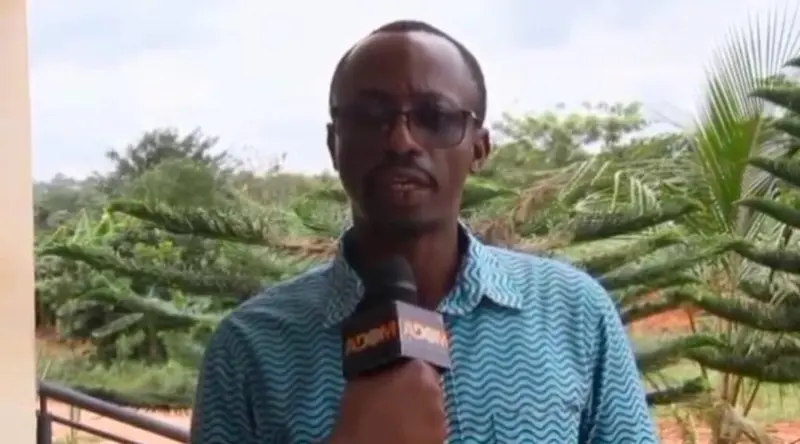
Ahafo Region's GHS Director, Dr. Akosua Owusu-Sarpong, is calling on stakeholders to address the region's shortage of medical doctors. The lack of adequate housing is a major deterrent - but what impact does this have?
Summary - read the full story for complete context.
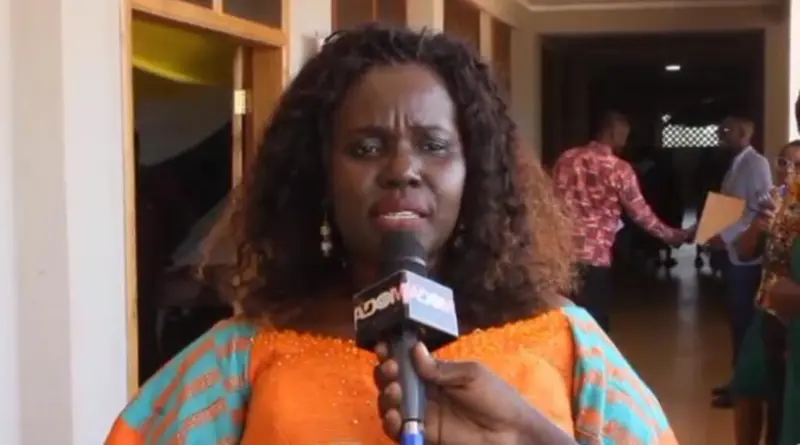
Image: Adom Online
GhanaFront aggregates news from trusted sources. Click to read the original article.
Keywords
Explore related tagsMore from Adom Online
Related Stories
More from Health

Urologist debunks claim that regular ejaculation prevents prostate cancer
What if a popular prostate cancer prevention tip is not backed by science?
1d ago•2 min read