Ghana's wage bill consumes 44% of tax revenue, forcing government to borrow to pay salaries - Finance minister reveals
Recent discussions between key figures in Ghana's government and the nation's organized labor unions have brought to the forefront the complex challenges surrounding the management of public finances. The meeting, convened at a high level, saw the Finance Minister engage with prominent labor leaders in a forum designed to address pressing economic concerns. The central theme revolved around the allocation of government revenue and the competing demands placed upon it.
Ghana's public sector wage bill has long been a subject of intense debate and scrutiny. The country's commitment to providing fair compensation to its workforce is enshrined in its constitution, yet the sheer size of the public sector and the associated payroll have consistently strained government resources. This situation is further complicated by statutory obligations, such as transfers to vital funds dedicated to education, healthcare, and infrastructure development, as well as the ever-present burden of debt servicing. These competing demands create a delicate balancing act for policymakers, who must navigate the need to invest in national development while also meeting the financial obligations to both its citizens and its creditors. The broader context includes ongoing efforts to achieve macroeconomic stability and sustainable growth, goals that are often hampered by the fiscal constraints imposed by a large wage bill.
The key players in this unfolding drama include the government, represented by the Finance Minister and other high-ranking officials, and organized labor, which represents the interests of public sector workers across various industries. Tensions are inherent in this dynamic, as labor unions advocate for improved wages and working conditions for their members, while the government grapples with the responsibility of managing public finances prudently. At stake is the fiscal health of the nation, the ability of the government to invest in essential services and infrastructure, and the overall well-being of Ghanaian workers. The delicate balance between these competing interests will ultimately determine the trajectory of Ghana's economic development.
Several critical questions remain unanswered, fueling speculation and anticipation. How will the government navigate the competing demands of wage increases, statutory obligations, and debt servicing? What specific measures will be implemented to address the structural challenges impacting fiscal sustainability? Will organized labor accept potential reforms aimed at managing wage growth, and what compromises might be necessary to achieve a consensus? The answers to these questions will undoubtedly shape the future of Ghana's economy and the relationship between the government and its workforce, making the original source a must-read for anyone seeking to understand the complexities of this ongoing situation.
Quick Summary
Ghana's Finance Minister, Dr. Cassiel Ato Forson, met with President Mahama and organised labour to discuss the country's finances. The Minister outlined the pressure of public sector wages on the government's ability to fund other critical expenditures - and the situation may be more dire than previously thought.
Summary - read the full story for complete context.
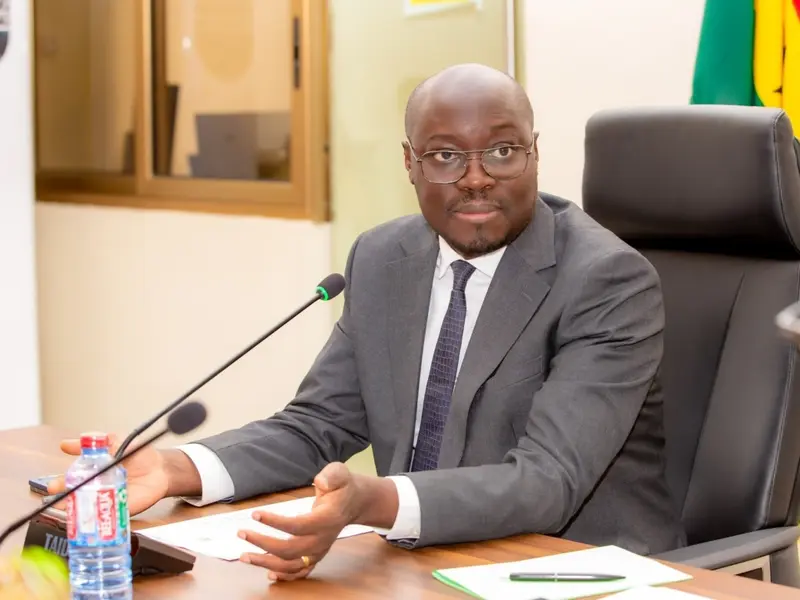
Image: Joy Business
Also covered by
GhanaFront aggregates news from trusted sources. Click to read the original article.
Keywords
Explore related tagsMore from Joy Business
Related Stories
More from Business & Economy
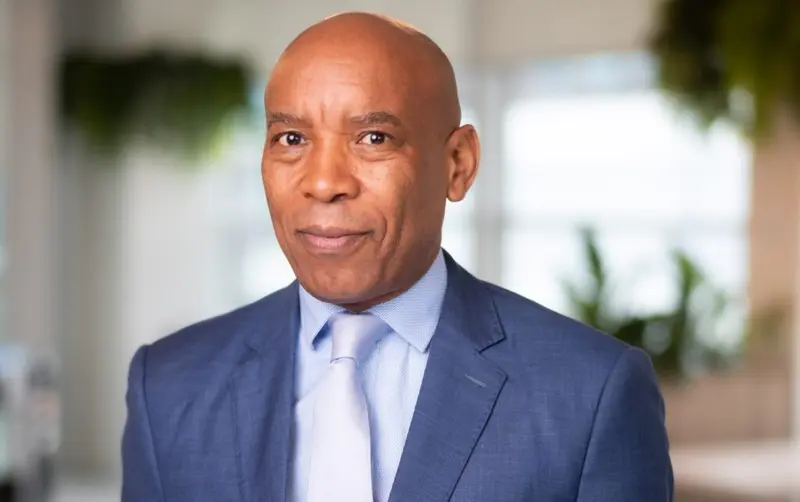
CIMA President Alfred Ramosedi to engage Ghana's finance, business leaders
A top global accountant lands in Ghana - what shift is he bringing to the finance profession?
2d ago•