Ghana's Missing Accountability Committee: A Constitutional Gap That Has Persisted for Over 30 Years
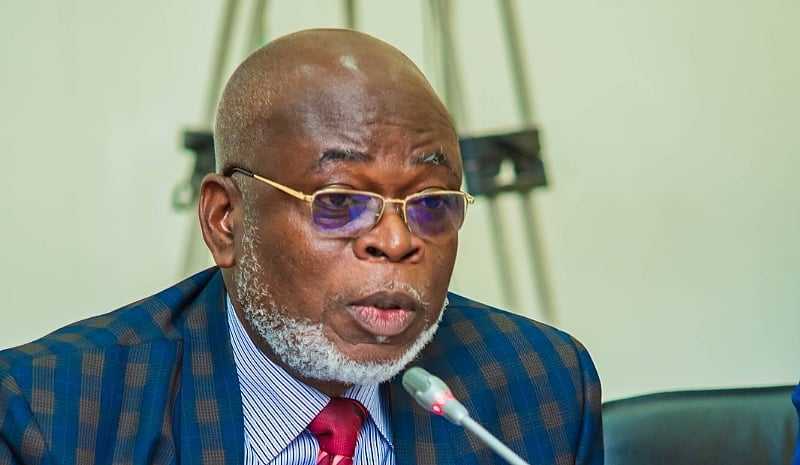
Image: GhanaFront Editorial
A Constitutional Oversight That Has Lasted Decades
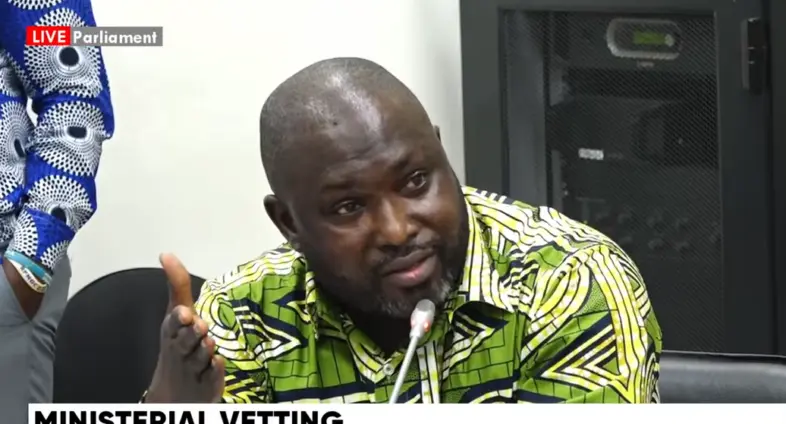
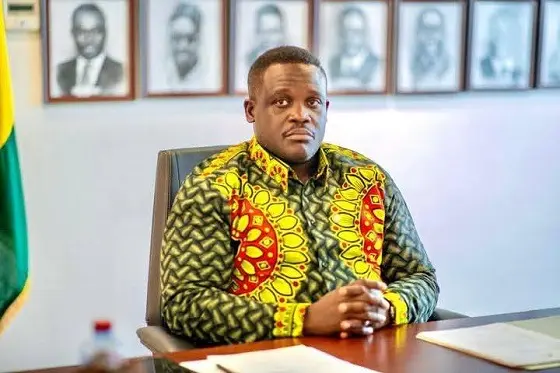
Since Ghana returned to constitutional democracy in 1993, a critical committee mandated by the nation's own Constitution to enforce parliamentary accountability has never been brought into existence. That is the stark revelation made by James Klutse Avedzi, former Chairman of Parliament's Public Accounts Committee (PAC), in comments made during ongoing PAC proceedings this week.
Speaking on Joy FM's Super Morning Show on Thursday, April 2, Avedzi drew attention to a provision tucked within Article 187(6) of Ghana's 1992 Constitution -- a clause that calls for the establishment of a Special Committee charged with ensuring that recommendations adopted by the PAC are actually enforced. The committee, as envisioned by the framers of the Constitution, would serve as a critical link between Parliament and the Attorney-General, compelling prosecution where the evidence demands it.
"The Constitution also makes a provision that, after all these, Parliament must set up a Special Committee in the interest of the public. That committee will ensure that the recommendations of the Public Accounts Committee which have been adopted by the entire House are implemented. That is what we are lacking -- that committee has never been set up. Since the inception of constitutional rule, we have never established that committee. That is where the problem is." -- James Klutse Avedzi
The Chain That Breaks Before Prosecution
Ghana's public financial accountability framework rests on a sequence of institutions working in concert. The Auditor-General examines the accounts of government ministries, departments, and agencies, then presents findings to the PAC. The committee reviews those findings, invites the relevant officials, deliberates, and ultimately submits a report with recommendations to the full Parliament. When the House adopts those recommendations, the expectation is that the Attorney-General will move to prosecute any individuals found culpable of financial infractions.
In practice, however, that final step -- prosecution -- rarely materialises. And according to Avedzi, the absence of the Special Committee is a central reason why.
Without a dedicated body to follow up on adopted recommendations and demand action from the Attorney-General, the enforcement mechanism collapses. Cases accumulate. Offenders go unpunished. The cycle repeats.
"If that committee is there, it will ensure that the recommendations of the Public Accounts Committee which was adopted by the House [are acted upon]. The Attorney-General -- you are to prosecute the people, what have you done? Go ahead and prosecute the people. Then the Attorney-General will know that after the Public Accounts Committee report has been adopted, there is another committee that calls them to question," Avedzi explained.
Why This Matters for Ghana's Accountability Architecture
The implications of this institutional gap extend well beyond any single PAC sitting or audit cycle. Ghana's public financial management system depends on the credible threat of consequences. When officials who mismanage public funds observe that years pass without any meaningful enforcement action, the deterrent effect of audits and parliamentary scrutiny is substantially diminished.
The Auditor-General's reports consistently flag significant irregularities -- disallowed expenditures, unsupported payments, procurement violations -- running into hundreds of millions of Ghana cedis annually. The PAC takes time to examine witnesses, gather explanations, and formulate recommendations. Parliament debates and adopts those recommendations. And then, in many instances, the matter goes quiet.
Avedzi's concern is that this silence is structural, not incidental. It is not merely that individual attorneys-general have been slow to act. It is that no dedicated parliamentary mechanism exists to keep them accountable.
- The Auditor-General identifies financial infractions in government accounts
- The PAC reviews findings and recommends prosecution where warranted
- The full House adopts the PAC report
- The Attorney-General is expected to prosecute -- but faces no parliamentary oversight body to compel action
- The Special Committee, constitutionally mandated but never established, would fill this gap
This structural failure has persisted across multiple administrations and parliaments. It is not a partisan issue. Both major political parties have governed during the decades since 1993, and neither has moved to constitute the committee that the Constitution itself calls for.
A Call for Institutional Completeness
Avedzi's remarks arrive at a moment of renewed public interest in the PAC's work. The committee is currently engaged in proceedings that have drawn considerable attention, with senior government officials and public sector leaders being called to account for audit queries spanning multiple financial years.
That scrutiny is welcome. But scrutiny alone, without enforcement, produces limited accountability. What Ghana's public financial management ecosystem requires is not merely a functioning PAC -- it already has one -- but a complete institutional chain, from audit to enforcement, with no gaps in the middle.
The establishment of the constitutionally envisioned Special Committee would not require legislative reform. It would require Parliament to act on what the Constitution already mandates. It would require the political will to create a body that would, by design, hold the executive arm of government -- specifically the Attorney-General -- answerable to Parliament on matters of public funds.
Ghana's accountability gap is not a mystery. It is a missing committee. And the Constitution has been waiting more than 30 years for Parliament to create it.
Whether the current Parliament -- or any future one -- will finally close that gap remains to be seen. But Avedzi's intervention ensures that the question, at least, has been asked in public, and on the record.
More from GhanaFront Editorial
Related Stories
More from Technology
Ghana must embrace AI to transform tourism - GHATOF
Why Ghana's tourism chief says AI adoption is now a national imperative - and what it could mean for the sector.
1d ago•2 min read