Ghana's external reserves rise to $14.5bn as macroeconomic outlook improves - BoG Governor
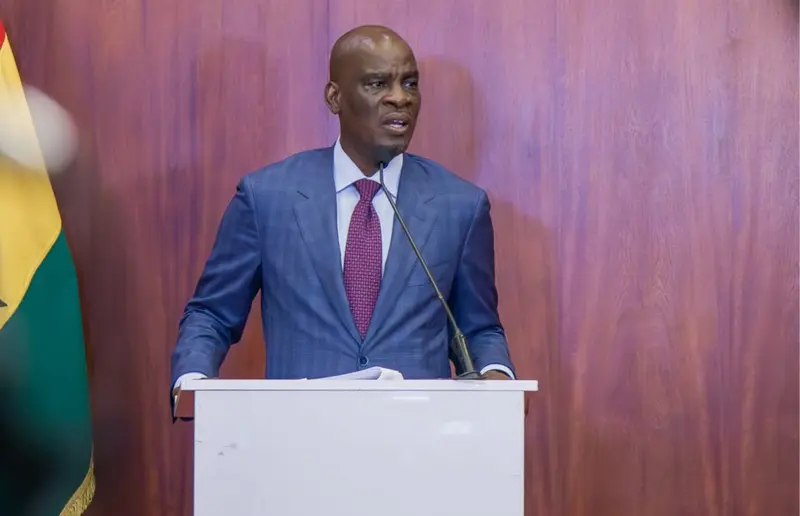
Ghana's economic narrative is often painted with broad strokes of aspiration and challenge. The nation, a beacon of democracy in West Africa, finds itself constantly navigating the currents of global finance while striving to solidify its own economic foundation. The Governor of the Bank of Ghana, a key figure in this ongoing saga, occupies a position of considerable influence, tasked with steering monetary policy and safeguarding the nation's financial stability. His pronouncements are closely scrutinized by investors, businesses, and ordinary citizens alike, as they offer insights into the health of the Ghanaian economy and the direction it is headed. The backdrop to his role is a complex tapestry woven with threads of international trade, domestic fiscal policy, and the ever-present specter of global economic volatility.
Ghana's economic history is marked by periods of both boom and bust, often tied to fluctuations in commodity prices, particularly cocoa and gold. The country has made significant strides in recent decades to diversify its economy, attracting foreign investment and developing new industries. However, it remains vulnerable to external shocks, such as changes in global interest rates or disruptions to international supply chains. The Bank of Ghana plays a crucial role in managing these risks, using monetary policy tools to control inflation, stabilize the exchange rate, and promote sustainable economic growth. The ability to maintain a healthy level of external reserves is paramount, acting as a buffer against unforeseen circumstances and bolstering investor confidence. This is particularly important in a country that relies heavily on imports for essential goods and services.
The stakes are high for all involved. The government, eager to demonstrate its commitment to economic stability and attract further investment, relies on the Bank of Ghana to implement sound policies. Businesses, both large and small, need a predictable economic environment to plan for the future and create jobs. And ordinary Ghanaians, who bear the brunt of economic hardship, look to the central bank to protect the value of their savings and ensure that the country can weather any storms. The Governor's pronouncements, therefore, carry significant weight, shaping perceptions and influencing decisions across the economic spectrum. Tensions can arise when the need for fiscal discipline clashes with the desire for rapid economic growth, or when external pressures threaten to derail domestic policy objectives. Balancing these competing demands requires careful judgment and a steady hand.
Looking ahead, several key questions remain unanswered. How will the Bank of Ghana navigate the challenges posed by global uncertainties, such as rising geopolitical tensions and fluctuations in commodity prices? What specific measures will be implemented to further strengthen the country's external reserves and ensure its long-term economic resilience? And how will the central bank balance the need to control inflation with the desire to support economic growth and job creation? The answers to these questions will have a profound impact on Ghana's economic future, shaping the lives of its citizens and determining its place in the global economy. The interplay between the Bank of Ghana, the government, and the private sector will be crucial in determining the country's success in navigating these challenges and achieving its economic aspirations.
Quick Summary
The Bank of Ghana has released new figures about the country's financial status. Governor Dr. Johnson Pandit Asiama says that these numbers reflect the impact of disciplined policy measures - but what does it all mean?
Summary - read the full story for complete context.
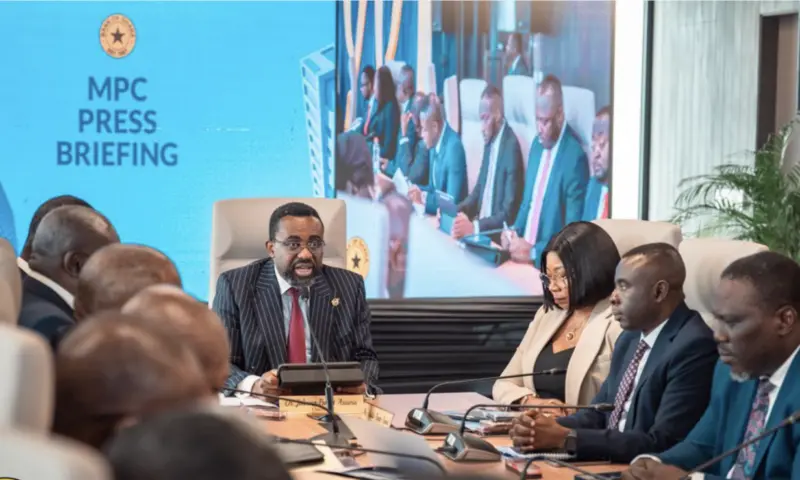
Image: MyJoyOnline
GhanaFront aggregates news from trusted sources. Click to read the original article.
Keywords
Explore related tagsMore from MyJoyOnline
Related Stories
More from Business & Economy
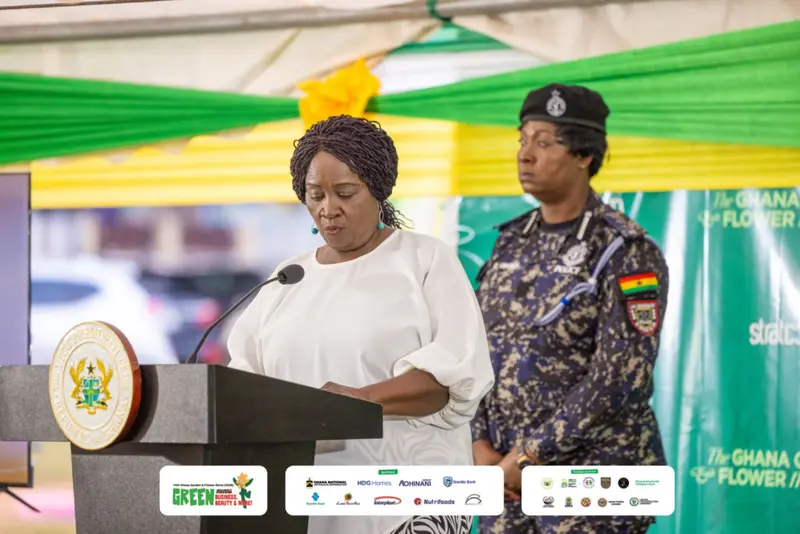
Horticulture can create jobs, businesses and export opportunities for Ghana - Prof Naana Jane
Could Ghana's flower industry bloom into a global export powerhouse? The Vice President thinks so - but there's a catch.
2d ago•