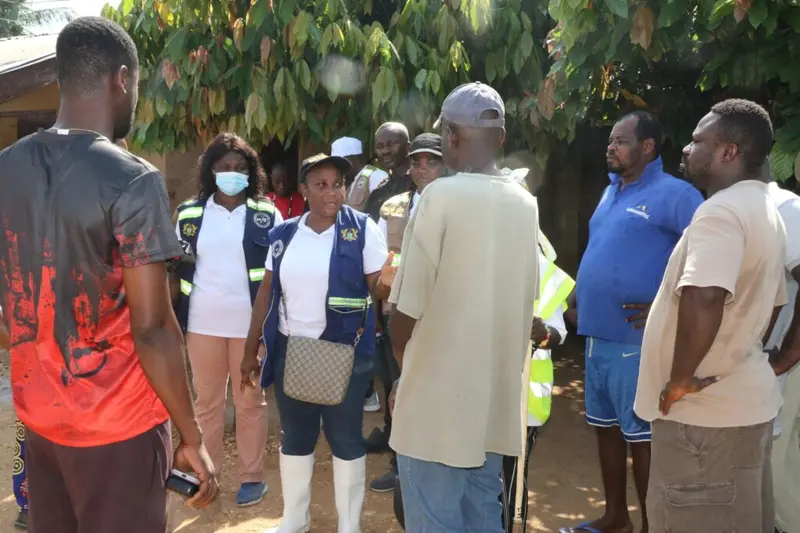
Ghana's climate future brings less malaria but more deadly heat, new research shows
Ghana is facing a climate story with two very different sides, according to a set of studies from the Climate Impact Lab and a major new paper published in the journal Nature. As temperatures rise, Ghana is projected to see falling malaria rates, driven by the same heat that is making the country more dangerous in other ways. Heat-related deaths are expected to climb, and Ghana's electricity supply isn't growing fast enough to help people cool down and protect themselves.
The Nature study, led by Colin J. Carlson, Tamma Carleton, Romaric C. Odoulami, Cullen D. Molitor, and Christopher H. Trisos, analyzed more than 50,000 medical surveys spanning 116 years (1900-2016) to measure how climate change is reshaping malaria across Africa. Malaria thrives in a narrow temperature range, spreading best around 25°C (77°F) and struggling once temperatures pass roughly 34°C (93°F). The study projects that climate change has already reduced malaria prevalence in Ghana by an estimated 4.94 cases per 1,000 children, compared to a world without human-caused warming. That reduction is projected to grow to 7.85 cases per 1,000 children by 2050, and to 15.12 cases per 1,000 children by 2100.
Quick Summary
New research from the Climate Impact Lab and a Nature journal paper explores Ghana's complex climate future. The findings suggest a significant
Summary - read the full story for complete context.
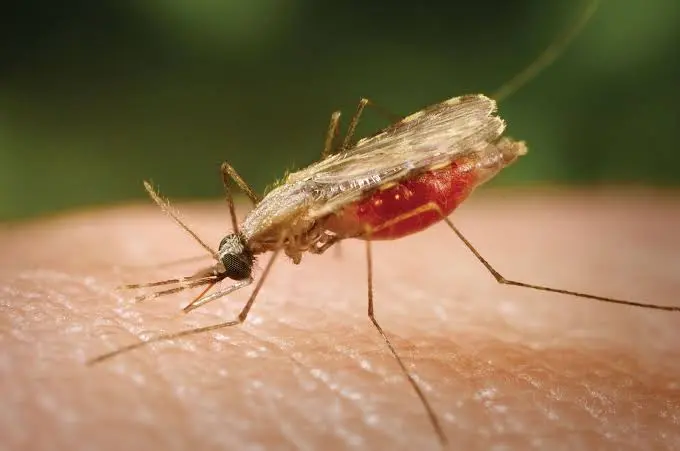
Image: MyJoyOnline
GhanaFront aggregates news from trusted sources. Click to read the original article.
Keywords
Explore related tagsMore from MyJoyOnline
Related Stories
More from Health

CareFlight Ghana rolls out mobile stroke unit to bring emergency treatment to patients' doorsteps
A new ambulance brings brain scans and clot-busting care directly to stroke patients - but can it beat the clock?
16h ago•