Ghana to return to May-June WASSCE school calendar
Ghana's education system has been a subject of ongoing debate and reform for decades, with stakeholders constantly seeking ways to improve student outcomes and ensure global competitiveness. The West African Senior School Certificate Examination (WASSCE), a standardized test administered across several West African nations, serves as a critical gateway to higher education and employment opportunities for Ghanaian students. The structure and timing of this examination have significant implications for the academic calendar, teaching methodologies, and overall preparedness of students.
Ghana's educational landscape is shaped by a complex interplay of factors, including government policies, resource allocation, teacher training, and parental involvement. Over the years, the country has experimented with various educational reforms aimed at enhancing quality and accessibility. The WASSCE, as a key benchmark of academic achievement, has often been at the center of these reforms. The examination's format, content, and administration have been subject to scrutiny and adjustments to align with evolving educational goals. Furthermore, the examination's calendar has been a point of contention, particularly in recent years, as disruptions caused by unforeseen global events have necessitated temporary deviations from established norms.
The Ghana Education Service (GES), under the leadership of its Director-General, plays a pivotal role in shaping the direction of education in the country. The GES is responsible for implementing educational policies, managing schools, and overseeing the administration of examinations like the WASSCE. Decisions made by the GES regarding the academic calendar and examination schedules have far-reaching consequences for students, teachers, and parents. These decisions often involve balancing competing priorities, such as ensuring adequate preparation time for students, adhering to regional standards, and mitigating the impact of unforeseen disruptions. The stakes are high, as the success of Ghanaian students in the WASSCE reflects not only their individual abilities but also the overall effectiveness of the country's education system.
Several questions remain regarding the future of WASSCE in Ghana. How will schools adapt to the new examination schedule? What measures will be put in place to ensure that Ghanaian students are adequately prepared to compete with their counterparts in other West African countries? What impact will the changes have on student performance and overall educational outcomes? These are some of the key issues that will likely dominate discussions in the coming months.
Quick Summary
The Director-General of the Ghana Education Service (GES) has made an announcement regarding the WASSCE-SC. The country is set to make a change to its examination schedule - but what does this mean for students?
Summary - read the full story for complete context.

Image: GhanaWeb
GhanaFront aggregates news from trusted sources. Click to read the original article.
Keywords
Explore related tagsMore from GhanaWeb
Related Stories
More from Education
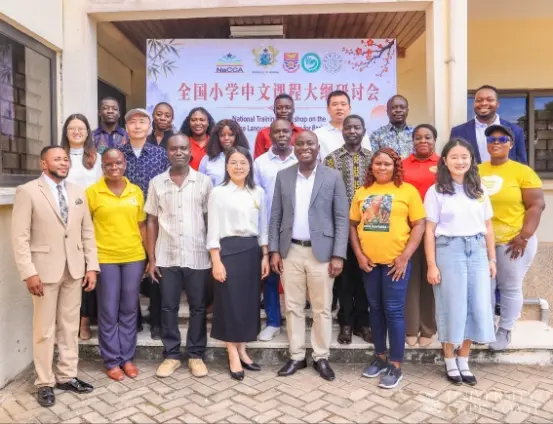
NaCCA equips basic school teachers for new Chinese language curriculum
A major curriculum shift is underway - but what does this mean for Ghana's classrooms and global connections?
1d ago•4 min read