Ghana to acquire new presidential aircraft by November
The discussion surrounding the movement of Ghana's highest office holder has recently become a topic of national conversation. Concerns have been voiced regarding the means and methods employed when the President undertakes official duties outside the country. These concerns have touched on various aspects, including the appropriateness of the aircraft used, the potential for perceived conflicts of interest, and the overall cost-effectiveness of such arrangements. The debate has drawn in voices from across the political spectrum and the general public, reflecting a keen interest in matters of governance and accountability.
Ghana's history with presidential air travel is complex, marked by periods of both national pride and economic constraint. The acquisition and maintenance of state aircraft have always been a sensitive issue, balancing the need for secure and efficient transportation for the Head of State with the imperative of responsible fiscal management. In a country where developmental needs are pressing, every cedi spent on non-essential items comes under intense scrutiny. Furthermore, the issue is often intertwined with national pride and perceptions of Ghana's standing on the international stage. The ability of the President to travel comfortably and securely to represent the nation at global events is seen by some as a symbol of Ghana's progress and influence. The topic resonates deeply with Ghanaians who are increasingly demanding transparency and accountability from their leaders. The public discourse reflects a growing awareness of the importance of good governance and the responsible use of state resources.
Several key players are involved in this ongoing discussion. The Executive branch, responsible for managing presidential travel, finds itself under pressure to justify its decisions and demonstrate value for money. Members of Parliament, particularly those in the opposition, are keen to hold the government accountable and ensure that proper procedures are followed. Civil society organizations and media outlets play a crucial role in scrutinizing the details of presidential travel arrangements and raising public awareness. At stake is the reputation of the government, the public's trust in its leaders, and the overall perception of Ghana's commitment to good governance. The tensions are palpable, with accusations of impropriety flying back and forth, and the potential for political fallout is significant.
Several questions remain unanswered, leaving the public eager for more information. What specific types of aircraft are being considered for the presidential fleet? What is the projected cost of acquiring and maintaining these new aircraft? How will the government ensure transparency and accountability in the procurement process? And, perhaps most importantly, how will this investment ultimately benefit the ordinary Ghanaian citizen? The answers to these questions will undoubtedly shape public opinion and determine the long-term impact of this development on Ghana's political landscape.
Quick Summary
Ghana is planning to expand its presidential air fleet with new aircraft expected by November - a move that comes amid public debate over current travel arrangements. This development hints at efforts to address concerns about efficiency and resource management, but what changes will be made?
Summary - read the full story for complete context.
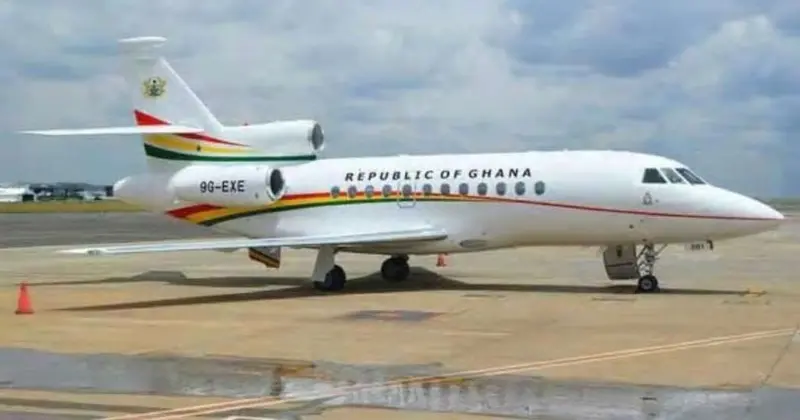
Image: Adom Online
Also covered by
GhanaFront aggregates news from trusted sources. Click to read the original article.
Keywords
Explore related tagsMore from Adom Online
Related Stories
More from Politics

GRA moves to audit lawyer who sued AG, GRA over passenger baggage duty exemptions
A lawyer's Supreme Court fight over tax exemptions is followed by a sudden audit - coincidence or pressure?
4d ago•