Ghana Armed Forces begins training first batch of recruits
The Ghana Armed Forces (GAF) plays a crucial role in national security and stability, and its recruitment processes are always a matter of public interest. The selection of individuals to serve in the military is a rigorous process, involving aptitude tests, medical screenings, and physical assessments. This year's exercise is no different, with thousands of young Ghanaians vying for a chance to join the ranks and contribute to the defense of the nation. Beyond the standard procedures, however, certain circumstances and directives are shaping the current recruitment drive, adding layers of complexity and significance to the process.
Ghana's military has a long and proud history, evolving from its colonial roots to become a professional and respected force on the African continent. Over the years, the GAF has been involved in peacekeeping operations, disaster relief efforts, and internal security duties. The recruitment process is therefore vital for maintaining the strength and capabilities of the armed forces. In recent years, there has been a growing emphasis on decentralization and inclusivity in government programs, aiming to bring opportunities closer to the people and ensure fair representation across the country's diverse regions. This trend has influenced the GAF's approach to recruitment, seeking to streamline the process and make it more accessible to potential candidates from all corners of Ghana. The military's role in national development also extends to providing opportunities for young people, offering them a chance to acquire skills, discipline, and a sense of purpose.
Several key players are involved in the recruitment process, including the military high command, regional administrations, and individual applicants. The GAF is responsible for setting the criteria, conducting the selection process, and providing training to the recruits. Regional administrations play a crucial role in facilitating the exercise at the local level, providing logistical support and ensuring smooth coordination. The applicants themselves represent a diverse cross-section of Ghanaian society, each with their own motivations and aspirations for joining the armed forces. Tensions can arise when the selection process is perceived as unfair or biased, leading to public scrutiny and demands for transparency. The stakes are high for both the GAF and the applicants, as the recruitment exercise determines the future composition of the military and the opportunities available to young Ghanaians seeking a career in national service.
Several open questions remain regarding the current recruitment exercise. How will the GAF ensure fairness and transparency in the selection process, particularly in light of the large number of applicants and the decentralized approach? What measures are being taken to address the concerns of applicants who were initially deemed ineligible due to medical conditions? How will the GAF balance the need for standardized criteria with the desire to accommodate special cases, such as individuals who demonstrated exceptional bravery or service during emergencies? Furthermore, what impact will the inclusion of individuals from specific communities or backgrounds have on the overall diversity and cohesion of the armed forces? The answers to these questions will shape the public's perception of the GAF's recruitment process and its commitment to serving the interests of all Ghanaians.
Quick Summary
The Ghana Armed Forces (GAF) has started training its newest recruits after a selection process. The military is working to ensure the process is fair and inclusive - but what challenges might they face?
Summary - read the full story for complete context.
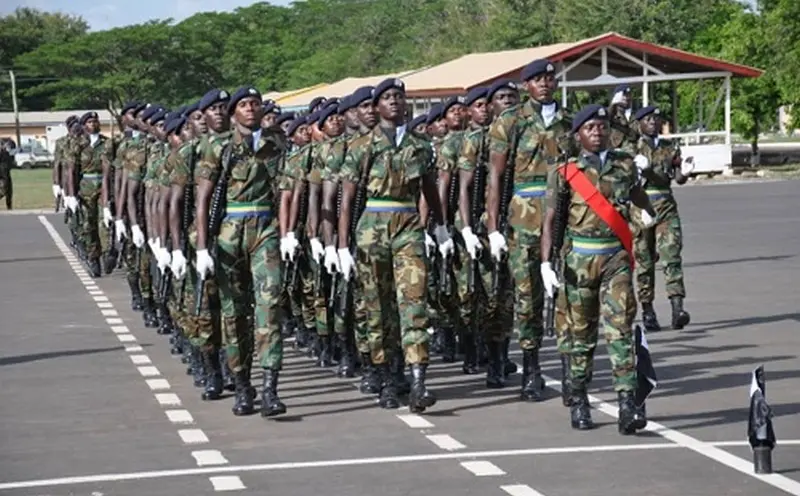
Image: Adom Online
GhanaFront aggregates news from trusted sources. Click to read the original article.
Keywords
Explore related tagsMore from Adom Online
Related Stories
More from Politics
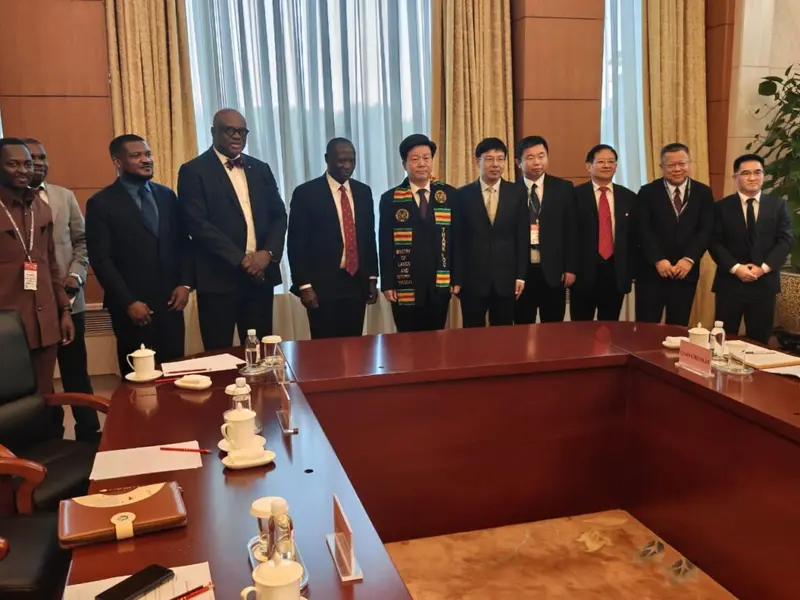
Ghana, China deepen cooperation to tackle illegal mining
A high-level meeting in Tianjin may change how Chinese mining firms operate in Ghana - but what was agreed?
1d ago•4 min read