G/A House Of Chiefs Throws Out Puplampu
Chieftaincy disputes are a recurring feature of Ghana's socio-political landscape, often involving complex webs of family lineage, historical claims, and legal interpretations. The institution of chieftaincy, while pre-dating the modern nation-state, remains deeply embedded in Ghanaian identity and governance, particularly at the local level. These disputes can be protracted and emotionally charged, impacting community cohesion and even economic development. The Greater Accra Regional House of Chiefs plays a crucial role in adjudicating these matters within its jurisdiction, serving as a vital arbiter in preserving tradition while navigating the complexities of contemporary law.
The specific case involving the Hwakpo stool highlights the intricacies of chieftaincy succession and the challenges of reconciling customary practices with formal legal frameworks. In Ghana, the recognition of a chief involves a multi-layered process, beginning with selection by the appropriate traditional authorities and culminating in gazetting by the state. This gazetting process, overseen by the National Register of Chiefs, provides official recognition and legitimacy. The Hwakpo chieftaincy dispute underscores the importance of this process and the potential for conflict when competing claims arise. The case also touches upon broader trends in Ghanaian chieftaincy, including the increasing involvement of the courts and the evolving interpretations of customary law in a modern context. These cases often involve detailed examination of historical documents, oral traditions, and genealogical records, requiring careful consideration by the adjudicating bodies.
At the heart of this particular matter are individuals with deep ties to the Hwakpo community and its chieftaincy. The key players include members of the Ackwerh and Puplampu families, each asserting their rights and claims to the Hwakpo stool. The tensions stem from differing interpretations of customary law and historical events surrounding the succession to the stool. For the Ackwerh family, maintaining the status quo and upholding the gazetted chief is paramount. For the Puplampu family, the motivation may be to correct what they perceive as a historical injustice or to assert a legitimate claim to the chieftaincy. The stakes are high, not only for the individuals involved but also for the Hwakpo community as a whole. The outcome of the dispute could have significant implications for local governance, resource allocation, and social harmony.
Several questions remain unanswered at this stage. What specific evidence is being presented by each side to support their claims? How will the Greater Accra Regional House of Chiefs weigh the competing interpretations of customary law? What impact will the final decision have on the Hwakpo community and its relationship with the broader Ada Traditional Area? The answers to these questions will undoubtedly shape the future of the Hwakpo chieftaincy and could set a precedent for resolving similar disputes in other parts of Ghana. The ongoing legal proceedings will be closely watched by legal experts, traditional leaders, and community members alike, as they navigate the delicate balance between tradition, law, and the pursuit of justice.
Quick Summary
The Greater Accra Regional House of Chiefs is the scene of a chieftaincy appeal involving Isaac Buertey Puplampu. An application to alter his name has sparked debate- but what's at stake?
Summary - read the full story for complete context.

Image: The Chronicle
GhanaFront aggregates news from trusted sources. Click to read the original article.
Keywords
Explore related tagsMore from The Chronicle
Related Stories
More from Regional
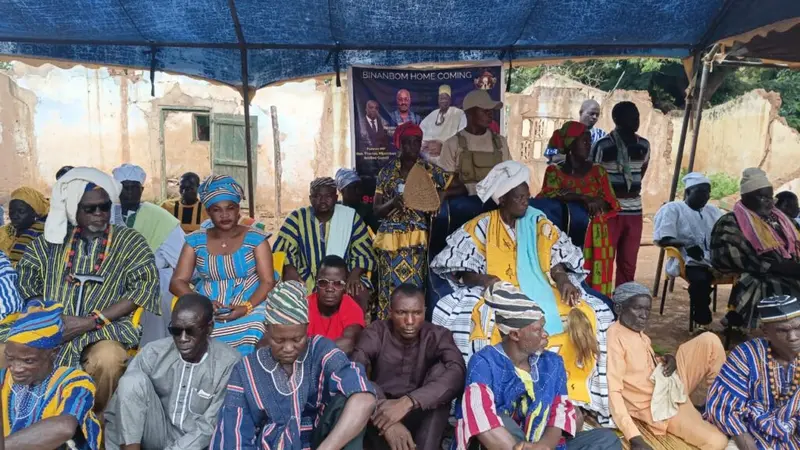
AIB Commissioner John Wumboriti joins his kinsmen for Binanbom 4th Homecoming
A government official returns home for a cultural festival - but his warning to the youth may set the tone for the community's next steps.
2d ago•