Fuel price hikes inevitable while Ghana depends on oil import - COMAC
The Ghanaian petroleum market is a complex ecosystem involving various stakeholders, from government regulators to private Oil Marketing Companies (OMCs) and, most importantly, the everyday Ghanaian consumer. The operations of these OMCs, responsible for distributing fuel across the nation, are constantly under scrutiny, especially regarding pricing. These companies navigate a landscape shaped by global market forces, domestic economic policies, and the ever-present pressure to provide affordable fuel to a population heavily reliant on it for transportation and economic activity. The Chamber of Oil Marketing Companies (COMAC) plays a crucial role in representing the interests of these OMCs, advocating for policies that support their operations while also engaging in public discourse on matters affecting the industry.
Ghana's reliance on imported petroleum products has long been a subject of national debate. For decades, the country has grappled with the challenge of securing a stable and affordable fuel supply, a challenge exacerbated by fluctuations in global oil prices and exchange rate volatility. This dependence creates a vulnerability to external shocks, impacting not only the OMCs but also the broader economy, driving inflation and affecting the cost of living for ordinary citizens. The dream of energy independence, fueled by the discovery of oil reserves within Ghana's borders, remains a prominent aspiration, yet the reality of limited refining capacity continues to bind the nation to the global market. The Tema Oil Refinery (TOR), once envisioned as a cornerstone of energy security, has faced numerous challenges, hindering its ability to meet domestic demand and further solidifying the need for imports.
The stakes are high for everyone involved. The government faces the delicate balancing act of ensuring fuel affordability while managing the national budget and navigating international trade agreements. OMCs, striving for profitability in a competitive market, must contend with fluctuating import costs and the pressure to keep prices competitive. For the average Ghanaian, fuel prices directly impact their daily lives, influencing transportation costs, food prices, and overall economic well-being. The tension between these competing interests often leads to public discourse and scrutiny of government policies and OMC practices. The recent commissioning of the Dangote refinery in neighboring Nigeria has added another layer of complexity, raising questions about its potential impact on the regional petroleum market and Ghana's own energy security strategy.
Several key questions remain at the forefront of this ongoing narrative. How can Ghana effectively mitigate the impact of global market fluctuations on domestic fuel prices? What steps are being taken to improve the efficiency and capacity of the Tema Oil Refinery? What role will the Dangote Refinery play in shaping the future of fuel supply in the region? And, most importantly, what innovative solutions can be implemented to achieve greater energy independence and ensure affordable fuel for the Ghanaian people? The answers to these questions will undoubtedly shape the future of Ghana's petroleum market and its broader economic trajectory.
Quick Summary
COMAC's CEO, Riverson Oppong, discusses the factors influencing fuel prices in Ghana. He suggests Ghana's dependence on imported petroleum products plays a significant role - but what does this mean for the average Ghanaian?
Summary - read the full story for complete context.
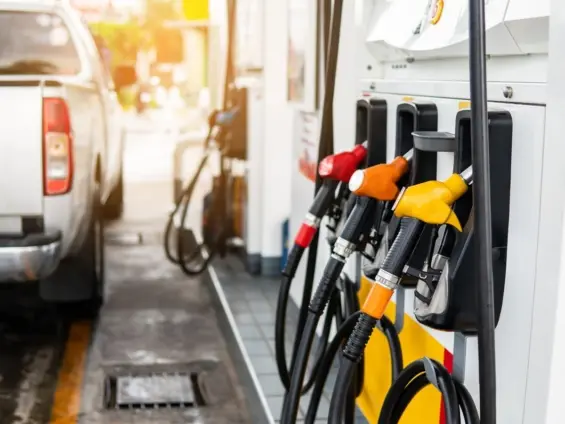
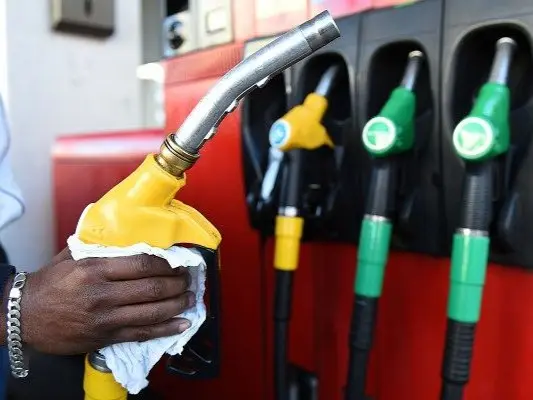
Image: MyJoyOnline
GhanaFront aggregates news from trusted sources. Click to read the original article.
Keywords
Explore related tagsMore from MyJoyOnline
Related Stories
More from Business & Economy
I pray against geopolitics - NPA boss warns of crude price shocks
The NPA boss is keeping a close eye on one global issue - and hoping it doesn't disrupt Ghana's fuel supply.
9h ago•3 min read

Fuel price crisis may trigger presidential intervention - NPA boss
Fuel prices are surging, and the NPA boss says the situation may require intervention at the highest levels.
11h ago•2 min read

Ghana's public sector pay exceeds ECOWAS threshold - Finance Minister
Ghana's public sector pay is raising eyebrows - but what does it mean for the country's financial stability?
15h ago•2 min read

PBC's financial crisis leaves cocoa farmers in limbo - Minority Whip alleges
A state-owned company's financial woes are allegedly leaving cocoa farmers in a difficult position - but why?
1h ago•2 min read