Floods don't happen by chance; they are not entirely natural
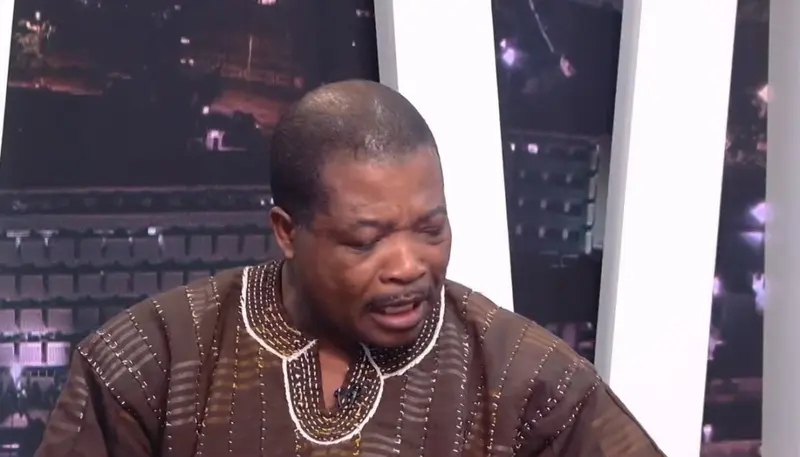
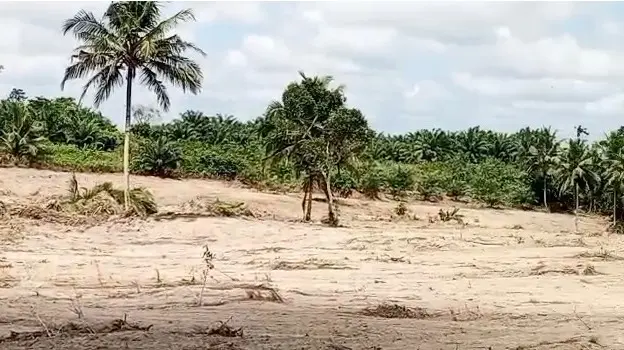
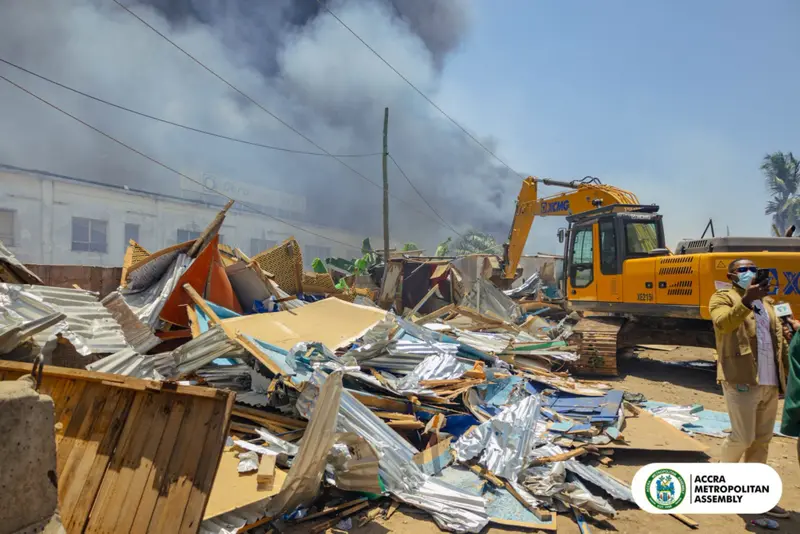
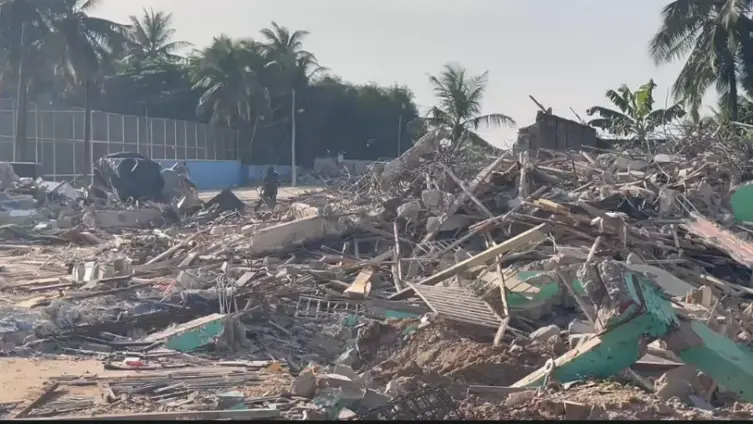
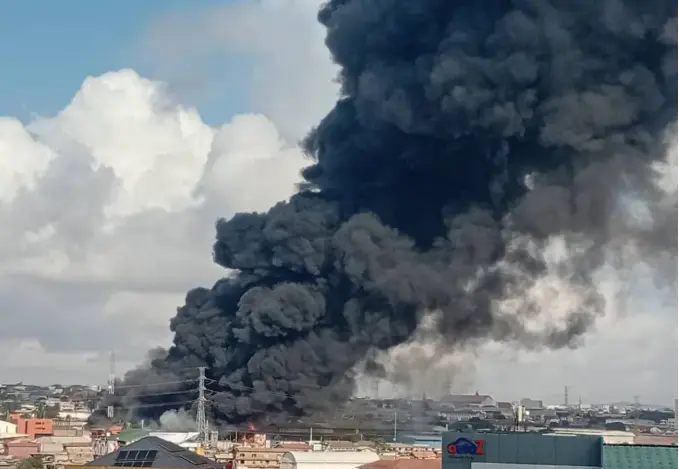
Floods return to Accra and other towns and cities across Ghana every rainy season. The article states, "Rain may be natural, but flooding on the scale we repeatedly experience is largely a human-made disaster." Homes are submerged, businesses suffer heavy losses, roads become impassable, public infrastructure is damaged, and lives are sometimes lost. Public attention turns to government, climate change, drainage systems, or rainfall intensity after major floods.
Thousands of tonnes of plastic waste, silt, sand, household refuse, and construction debris enter drains, streams, lagoons, and rivers every year, blocking drainage channels and causing widespread flooding. Ghana generates approximately 12,000-13,000 tonnes of municipal solid waste daily, with only a portion properly collected, treated, recycled, or recovered. Accra alone produces about 2,800 tonnes of waste daily, with an estimated 600 tonnes left uncollected, much of which enters drains and waterways. The waste stream is predominantly organic (54-69%), while plastics account for approximately 10-16%.
Quick Summary
Ghana faces recurring floods during the rainy season, causing significant damage and loss. While factors like government and climate change are
Summary - read the full story for complete context.
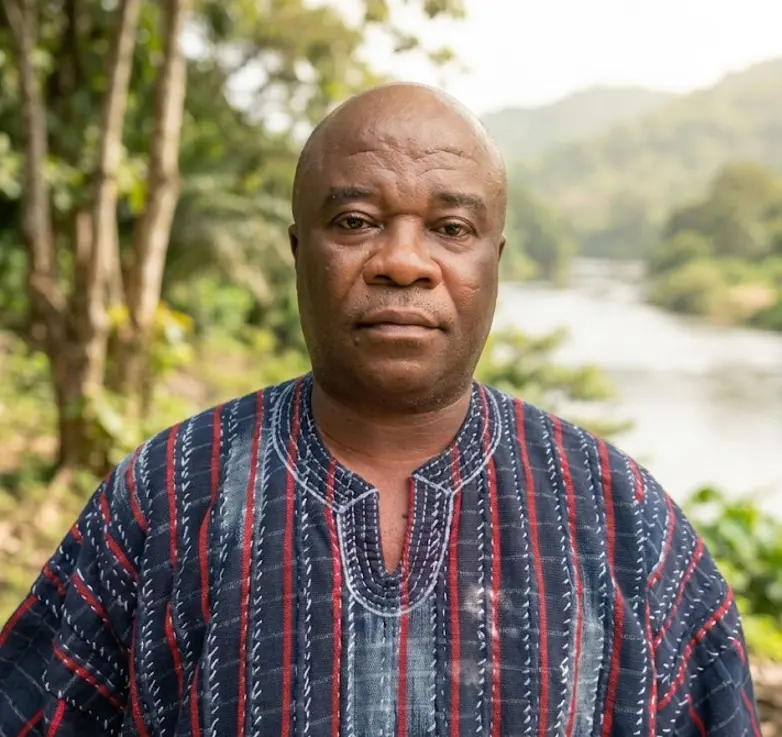
Image: Adom Online
GhanaFront aggregates news from trusted sources. Click to read the original article.
Keywords
Explore related tagsMore from Adom Online
Related Stories
More from Regional

Driver jailed 25 years for attacking passenger, stealing iPhones worth GH¢18k
What happened when a passenger's ride took a deadly turn - and how did a phone sale expose it all?
21h ago•2 min read