Fisheries Ministry rolls out licensing, communication upgrade to protect artisanal fishermen from piracy
The waters off Ghana's coast, a vital source of livelihood for countless communities, have recently become a focal point of concern. For generations, artisanal fishermen have plied these waters, their small boats a familiar sight against the horizon. These fishermen, often working with limited resources, contribute significantly to Ghana's food security and economy, their daily catch finding its way to markets across the nation. Their traditional methods, passed down through families, represent a deep connection to the sea and a way of life deeply embedded in Ghanaian culture. However, this traditional way of life is facing new and evolving challenges.
Ghana's fishing industry, a cornerstone of its economy, has long grappled with issues of sustainability and regulation. Overfishing, driven by both local and foreign actors, has depleted fish stocks, impacting the livelihoods of those who depend on the sea. The enforcement of existing fisheries laws has been a persistent challenge, hampered by limited resources and jurisdictional complexities. Moreover, the artisanal fishing sector, while vital, has often lacked the formal structures and protections afforded to larger industrial operations. This disparity has left artisanal fishermen vulnerable to various risks, both natural and man-made. The government has been under increasing pressure to address these vulnerabilities and ensure the long-term viability of this crucial sector.
The key players in this unfolding situation include the Ministry responsible for fisheries, tasked with overseeing the sustainable management of Ghana's marine resources, and the artisanal fishermen themselves, whose livelihoods are directly at stake. Tensions exist between the need to enforce regulations and the desire to support the traditional practices of artisanal fishing communities. The industrial fishing sector also plays a role, with concerns often raised about its impact on fish stocks and potential encroachment on areas traditionally fished by artisanal fishermen. The stakes are high, not only for the individual fishermen and their families but also for Ghana's overall food security and economic stability. Protecting this vital sector requires a delicate balance of enforcement, support, and innovation.
Several pressing questions remain unanswered. How will the government effectively implement its new initiatives and ensure that they reach the intended beneficiaries? What specific measures will be taken to address the underlying causes of the increased risks faced by fishermen? Will the new regulations be perceived as supportive or burdensome by the artisanal fishing communities? How will the government balance the needs of the artisanal sector with the interests of the larger industrial fishing operations? The answers to these questions will determine the success of the government's efforts to safeguard the livelihoods of Ghanaian fishermen and protect the nation's marine resources.
Quick Summary
The Fisheries Ministry is launching initiatives to protect Ghanaian fishermen from piracy- a growing threat at sea. The plan involves licensing, upgraded communication, and insurance, but the full impact remains to be seen.
Summary - read the full story for complete context.

Image: Joy Business
GhanaFront aggregates news from trusted sources. Click to read the original article.
Keywords
Explore related tagsMore from Joy Business
Related Stories
More from Regional
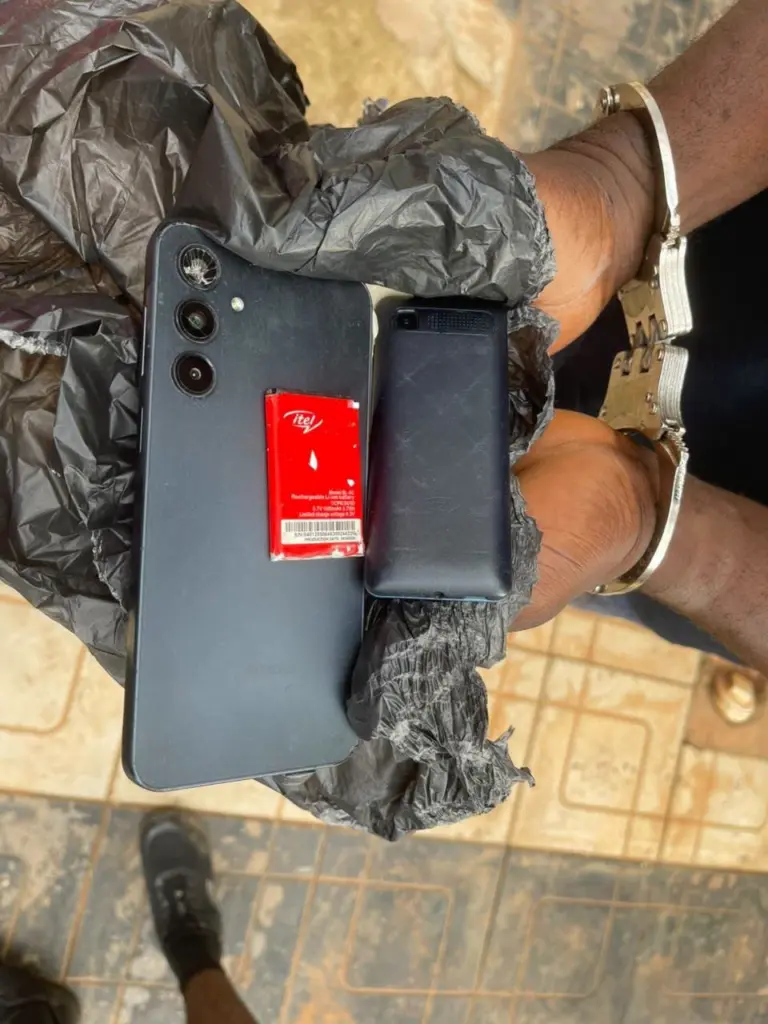
Four arrested as police bust alleged kidnapping, torture and extortion syndicate
A teacher and a security guard are among those held after a man was allegedly lured and held captive - but what role did a military officer play?
16h ago•