EXPLAINER: What irritate bees and how to survive their attack
A final-year student at AME Zion Girls' Senior High School was stung by bees around 5:00 pm on March 18, 2026 on the school premises in Winneba. The student was rushed to the Winneba Trauma and Specialist Hospital but was pronounced dead in the early hours of March 19, 2026, while receiving treatment. The incident has put the spotlight on the risks associated with bees, especially in populated areas like schools.
Bees attack mainly to defend their colony. Disturbing a hive in trees, roofs, or buildings, bush clearing, farming, construction, loud noise and vibrations, strong smells like perfumes or chemicals, and sudden movements or dark clothing can trigger attacks. Once one bee stings, it releases a chemical signal that attracts others, leading to a swarm attack. During an attack, victims can be stung dozens or even hundreds of times within seconds. Some people develop Anaphylaxis, which can cause difficulty breathing, swelling of the face or throat, and dizziness or fainting. This condition can be fatal without immediate medical attention.
Recent incidents in Ghana show that bees often nest in trees within school compounds, roofs of buildings, and bushy or abandoned areas. Activities like pruning, construction, or even playing under trees can unknowingly trigger attacks.
Quick Summary
A fatal bee attack at AME Zion Girls' Senior High School in Winneba has highlighted the dangers bees can pose, especially in populated areas. This incident has sparked a discussion on how to avoid bee attacks- but what steps should be taken?
Summary - read the full story for complete context.
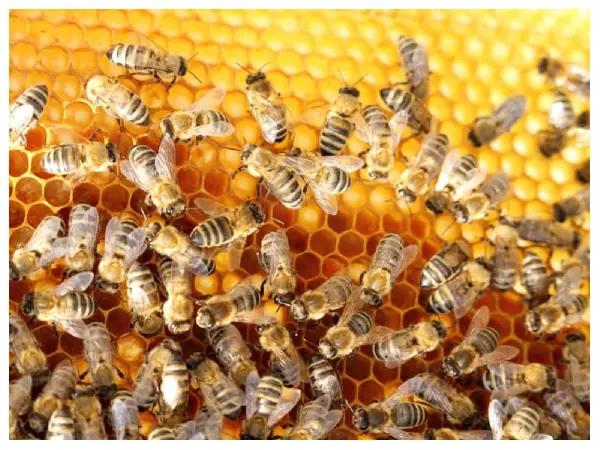
Image: GhanaWeb
GhanaFront aggregates news from trusted sources. Click to read the original article.
Keywords
Explore related tagsMore from GhanaWeb
Related Stories
More from Health

Softcare FM Manufacturing donates to KATH Mother and Baby Unit, launches maternal health initiative
A major hygiene firm steps in to support new mothers at Ghana's leading hospital - but what does their new initiative promise?
18h ago•