EU leaders reject military involvement in Strait of Hormuz amid war on Iran
The Strait of Hormuz, a narrow waterway connecting the Persian Gulf to the Gulf of Oman and the Arabian Sea, has once again become a focal point of international tension. This critical chokepoint for global oil supply is now at the center of discussions involving major world powers, particularly concerning security and freedom of navigation. The United States, under its current leadership, has expressed strong concerns about the stability of the region and has actively sought international support to address perceived threats to maritime traffic. Simultaneously, European nations are carefully evaluating their role and approach to the escalating situation.
Ghana, as a developing nation heavily reliant on imported oil, has a significant stake in the stability of global energy markets. Any disruption to the flow of oil through the Strait of Hormuz can have a direct and immediate impact on fuel prices at the pump, affecting transportation costs, industrial production, and ultimately, the cost of living for ordinary Ghanaians. Historically, Ghana has maintained a neutral stance in international conflicts, prioritizing diplomatic solutions and multilateral cooperation. However, the country cannot afford to ignore developments that threaten its economic stability and energy security. The potential for increased oil prices due to regional instability is a major concern for policymakers in Accra, who are constantly seeking ways to diversify energy sources and mitigate the impact of global market fluctuations.
The key players involved in this unfolding situation include the United States, Iran, and various European nations. The US has long maintained a strong military presence in the Middle East, citing the need to protect its interests and ensure regional stability. Iran, on the other hand, views the presence of foreign military forces in the region as a threat to its sovereignty and national security. European nations, while generally aligned with the US on many foreign policy issues, often differ in their approach to dealing with Iran, favoring diplomacy and dialogue over confrontation. The tensions between these actors are further complicated by the ongoing conflict in the region, which has heightened the risk of miscalculation and escalation. The stakes are incredibly high, not only for the countries directly involved but also for the global economy as a whole.
Several crucial questions remain unanswered. What specific actions will the US take to secure the Strait of Hormuz? How will Iran respond to increased military presence in the region? Will European nations agree to participate in a joint security operation, or will they pursue alternative strategies to de-escalate tensions? And perhaps most importantly for Ghana, how will these developments impact global oil prices and what measures can be taken to protect the Ghanaian economy from potential shocks? These are the questions that policymakers, economists, and ordinary citizens alike will be closely watching in the days and weeks to come.
Quick Summary
EU leaders are discussing how to respond to Donald Trump's request for help in the Strait of Hormuz amid the US-Israeli war on Iran. Foreign ministers are meeting in Brussels to address skyrocketing oil prices - but what will they decide?
Summary - read the full story for complete context.
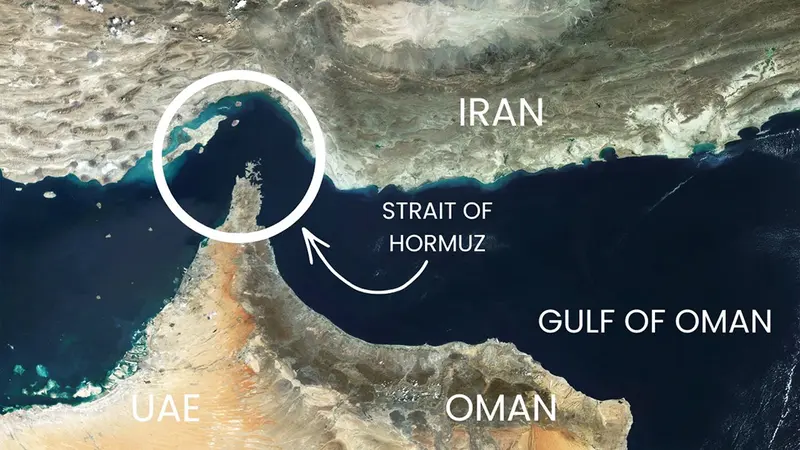
Image: The Chronicle
GhanaFront aggregates news from trusted sources. Click to read the original article.
Keywords
Explore related tagsMore from The Chronicle
Related Stories
More from Politics

Kusaug Youth demands probe into alleged killing of lecturer by soldiers in Bawku
A youth group's ultimatum over a soldier-linked death in Bawku could reshape peace efforts - but what exactly are they demanding?
2d ago•