Efficient seed distribution critical to 24-hour economy agricultural targets - Authority
Ghana's agricultural sector is at a pivotal moment, with ambitious plans for expansion and modernization taking center stage. At the heart of this transformation are individuals dedicated to ensuring the nation's food security and economic prosperity. One such figure is Dr. Charles T. Nornoo, a key strategist within the 24-Hour Economy Authority, a governmental body tasked with driving Ghana's economic growth through innovative policies and initiatives. Dr. Nornoo's focus is on integrating agricultural strategies into the broader economic vision. He is working with various stakeholders to address critical challenges facing the sector. The agricultural landscape also involves partnerships with international entities, such as the Embassy of the Kingdom of the Netherlands in Ghana and the Ghana Seed Partnership, highlighting the collaborative efforts to bolster agricultural development.
Agriculture remains a cornerstone of Ghana's economy, employing a significant portion of the population and contributing substantially to the nation's GDP. However, the sector faces numerous challenges, including reliance on rain-fed agriculture, limited access to improved seeds and technology, and inadequate infrastructure. The government's 24-hour economy initiative aims to address these challenges by promoting year-round agricultural production, particularly through irrigation and improved farming practices. This initiative builds upon previous efforts to modernize agriculture, such as the Planting for Food and Jobs program, which sought to increase food production and create employment opportunities in the sector. The success of these initiatives hinges on addressing fundamental issues such as seed quality and distribution, which are critical for ensuring high yields and resilient crops. The Volta Basin, with its vast potential for irrigation, is seen as a key area for agricultural expansion, but realizing this potential requires careful planning and investment in infrastructure and support systems.
The key players in this agricultural transformation include government agencies, research institutions, seed producers, and, most importantly, the farmers themselves. Tensions can arise from competing priorities and approaches to agricultural development. For example, there may be disagreements on the best strategies for seed production and distribution, or on the allocation of resources for irrigation projects. The stakes are high, as the success of the 24-hour economy initiative depends on the ability to transform the agricultural sector and ensure food security for the nation. Failure to address the challenges facing the sector could lead to continued reliance on imports, increased food prices, and limited economic opportunities for rural communities. Development partners, such as the Foreign, Commonwealth and Development Office (FCDO) of the United Kingdom and the J.E.T. Project, also play a crucial role by providing technical and financial assistance to support agricultural development efforts.
Several open questions remain regarding the implementation of Ghana's agricultural expansion plans. How effectively will the government be able to mobilize resources and coordinate efforts across different agencies and stakeholders? What specific strategies will be adopted to ensure that farmers have access to high-quality seeds and other inputs? How will the Volta Economic Corridor be developed to support agricultural production and market access? What measures will be taken to address the environmental and social impacts of large-scale irrigation projects? The answers to these questions will determine the success of Ghana's ambitious agricultural transformation and its ability to achieve its food security and economic development goals. The ongoing discussions and initiatives surrounding the National Seed System Reset Programme are crucial for addressing these challenges and paving the way for a more resilient and productive agricultural sector.
Quick Summary
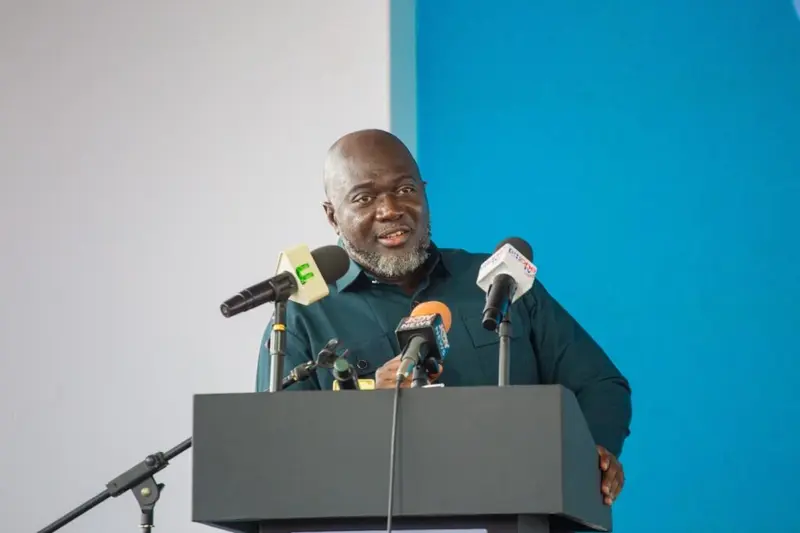
Dr. Charles T. Nornoo, Head of Sector Strategy, emphasized the importance of seed distribution for Ghana's 24-hour economy agricultural goals. The country's plans to expand irrigated farming require strong systems- but access to quality seeds remains a challenge.
Summary - read the full story for complete context.
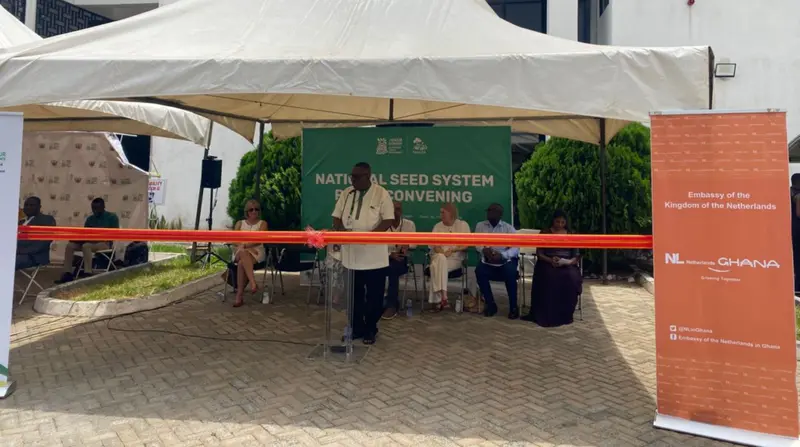
Image: MyJoyOnline
GhanaFront aggregates news from trusted sources. Click to read the original article.
Keywords
Explore related tagsMore from MyJoyOnline
Related Stories
More from Business & Economy

Development expert outlines blueprint to operationalise Ghana's 24-hour economy
Can a new blueprint unlock job creation and transform Ghana's economy amid a youth joblessness crisis?
2d ago•