Crashed aircraft doesn't belong to GAF - Deputy Defence Minister clarifies
The skies above Ghana, usually a silent highway for commercial and private aviation, have recently become the subject of intense scrutiny. The nation's aviation sector, while relatively small compared to global giants, plays a crucial role in connecting Ghana to the rest of the world and facilitating domestic travel, especially given the challenges of road infrastructure in certain regions. The Ghana Armed Forces (GAF), specifically its air wing, is responsible for maintaining aerial security and providing support for various national operations. The GAF's capabilities and equipment are always a matter of public interest and national security considerations. This is particularly true given the increasing geopolitical instability in the West African sub-region and the need for a strong and responsive military.
Ghana's aviation history is marked by gradual development, with the Kotoka International Airport serving as the primary hub. The rise of private aviation, including smaller aircraft and microlights, has added another layer to the sector. These smaller aircraft are often used for recreational flying, aerial surveys, and transport to remote areas. However, the operation of such aircraft also raises concerns about safety regulations, maintenance standards, and pilot training. The Ghana Civil Aviation Authority (GCAA) is the regulatory body responsible for overseeing all aspects of aviation in Ghana, from licensing pilots to ensuring aircraft airworthiness. The GCAA's role is critical in maintaining public confidence in the safety of air travel and preventing accidents. Any incident involving an aircraft, regardless of its size or ownership, inevitably triggers questions about regulatory oversight and the effectiveness of safety protocols.
The key players in this unfolding situation include government officials responsible for defense and transportation, the GCAA, and potentially, the families of those directly affected. There's an inherent tension between the need for transparency and the imperative to avoid speculation while investigations are underway. Public trust in the government and its agencies is at stake, particularly concerning their ability to ensure the safety and security of citizens. The media also plays a crucial role in disseminating information and holding authorities accountable. The potential for misinformation and the spread of rumors is high, making it essential for news outlets to report accurately and responsibly.
Several open questions remain that the public will be keenly following. What were the circumstances surrounding the aircraft's flight path? What safety regulations were in place for this type of aircraft? What factors might have contributed to the incident? The answers to these questions will be crucial in understanding what happened and preventing similar incidents in the future. The GCAA's investigation will be pivotal in determining the cause and recommending any necessary changes to regulations or procedures. The public will be watching closely to see how the authorities respond and whether they take appropriate action to address any identified shortcomings.
Quick Summary
Brogya Genfi, Deputy Minister for Defence, addressed speculation regarding a recent aircraft crash in Tema. - Questions arose about the aircraft's origins, prompting an official statement.
Summary - read the full story for complete context.
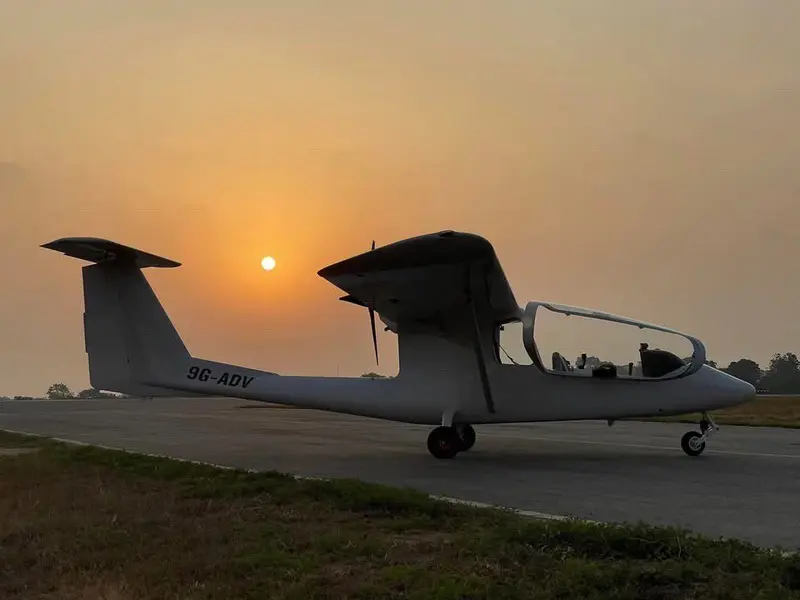
Image: MyJoyOnline
Also covered by
GhanaFront aggregates news from trusted sources. Click to read the original article.
Keywords
Explore related tagsMore from MyJoyOnline
Related Stories
More from Regional

NACOC arrests 3 suspects linked to Dutch fugitive drug kingpin
Three arrests in Ghana tied to a wanted Dutch kingpin - what does this mean for the country's fight against drug networks?
1d ago•2 min read