Chief Justice declares ADR Week nationwide
The Ghanaian judicial system, like many across the globe, faces the persistent challenge of case backlogs and the often-prohibitive costs associated with traditional litigation. This can create barriers to justice, particularly for vulnerable populations. Simultaneously, there's a growing recognition of the importance of culturally appropriate and less adversarial methods of resolving disputes. Several actors are working to find ways to make justice more accessible and efficient for all Ghanaians.
Alternative Dispute Resolution (ADR) has been gaining traction in Ghana as a potential solution to these challenges. Historically, traditional methods of conflict resolution have always played a significant role in Ghanaian society, with chiefs, elders, and community leaders often acting as mediators. The formal adoption of ADR within the court system represents a modern adaptation of these long-standing practices. The push for ADR reflects a broader global trend towards exploring alternative justice mechanisms that prioritize reconciliation and community harmony over purely adversarial outcomes. In Ghana, this is particularly relevant given the emphasis on communal values and the desire to maintain social cohesion. The effectiveness of ADR hinges on factors like public awareness, the availability of trained mediators, and the willingness of parties to engage in good-faith negotiations. The Judicial Service's commitment to ADR is seen as a crucial step in fostering a more accessible and efficient justice system.
The key players in this area include the Chief Justice, who holds significant influence over the direction of the judiciary, and the Judicial Service, which is responsible for implementing ADR programs and training mediators. Members of the Bar also play a crucial role, as they advise clients on the suitability of ADR and represent them in mediation proceedings. Civil society organizations and community leaders are also important stakeholders, as they can help raise awareness about ADR and encourage its use at the grassroots level. Tensions can arise from concerns about the quality of ADR processes, the potential for power imbalances between parties, and the need to ensure that ADR outcomes are fair and enforceable. What's at stake is the ability of the Ghanaian justice system to effectively address the needs of its citizens, reduce case backlogs, and promote social harmony.
Several open questions remain about the implementation and impact of ADR in Ghana. How will the Judicial Service ensure the quality and consistency of ADR processes across different courts and regions? What measures will be taken to address potential power imbalances between parties in mediation? How will the effectiveness of ADR programs be evaluated, and what adjustments will be made based on these evaluations? How will technology be leveraged to enhance access to justice through ADR, particularly in remote or underserved areas? The answers to these questions will determine the extent to which ADR can truly transform the Ghanaian justice system and make it more accessible and equitable for all.
Quick Summary
Chief Justice Paul Baffoe-Bonnie has declared an ADR Week- a move to help the justice system. The weeklong focus will highlight the importance of ADR, but what changes might be in store?
Summary - read the full story for complete context.
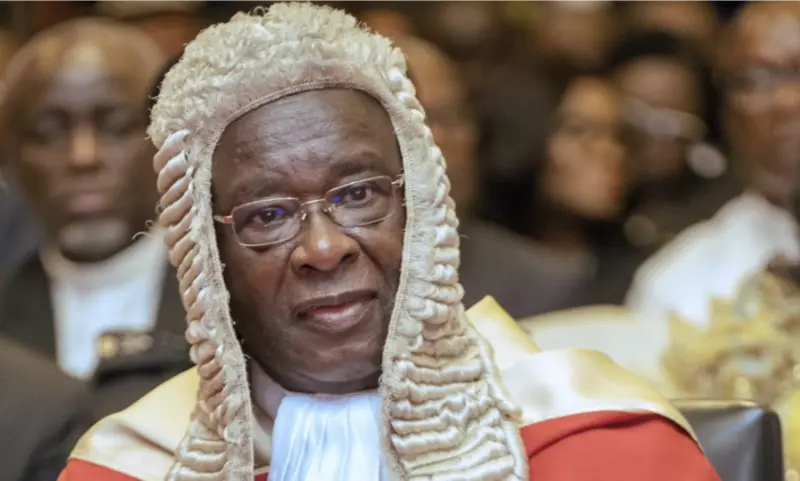
Image: MyJoyOnline
GhanaFront aggregates news from trusted sources. Click to read the original article.
Keywords
Explore related tagsMore from MyJoyOnline
Related Stories
More from Politics

Ghana's narcotics crisis deepens as drug seizures linked to country top US$1bn - Minority
What do recent massive drug busts and unresolved incidents reveal about Ghana's narcotics crisis?
3h ago•