BoG's Matilda Asante-Asiedu highlights Ghana's sustainable finance efforts at NGFS Plenary in South Africa
Matilda Asante-Asiedu, the Second Deputy Governor of the Bank of Ghana (BoG), recently attended a significant gathering in South Africa focused on the intersection of finance and environmental sustainability. The meeting brought together key figures from central banks and the broader financial industry across the African continent. Discussions centered on strategies for integrating environmental considerations into financial practices and strengthening financial systems in the face of evolving climate-related challenges. The event provided a platform for sharing experiences and fostering collaboration among nations grappling with the increasing financial implications of climate change.
Ghana's involvement in discussions surrounding sustainable finance is not new, but reflects a growing global trend toward incorporating environmental, social, and governance (ESG) factors into economic decision-making. In recent years, there has been increasing pressure on financial institutions worldwide to assess and manage climate-related risks within their portfolios. For Ghana, a nation heavily reliant on sectors vulnerable to climate change, such as agriculture and natural resources, this shift is particularly pertinent. The country has been actively exploring ways to promote green finance initiatives and encourage environmentally responsible investment. This includes developing regulatory frameworks and guidelines to support sustainable lending practices and promote the adoption of green technologies. The BoG, as the central bank, plays a crucial role in shaping the financial landscape and guiding the sector towards a more sustainable future.
The stakes are high for Ghana as it navigates the complexities of climate change and its impact on the financial system. Key players involved include not only the BoG and other financial regulators, but also commercial banks, insurance companies, and investment firms. Tensions can arise as institutions balance the need for profitability with the imperative to address environmental risks. There are also debates surrounding the appropriate level of government intervention and the role of the private sector in driving sustainable finance initiatives. Ultimately, the goal is to create a financial system that is both resilient to climate shocks and supportive of sustainable economic development. Failure to adequately address these challenges could lead to increased financial instability, reduced investment in key sectors, and a greater vulnerability to the impacts of climate change.
Several open questions remain as Ghana continues its journey towards a more sustainable financial system. How effectively can the BoG integrate climate risk assessments into its supervisory framework? What incentives can be implemented to encourage greater private sector investment in green projects? How can Ghana collaborate with other African nations to share best practices and develop regional solutions to climate-related financial challenges? The answers to these questions will be crucial in determining the long-term success of Ghana's sustainable finance efforts and its ability to build a more resilient and prosperous future.
Quick Summary
Matilda Asante-Asiedu, Second Deputy Governor of the Bank of Ghana, attended the NGFS Plenary in South Africa. Discussions centered on sustainable finance and climate-conscious financial supervision - and the implications could be significant.
Summary - read the full story for complete context.
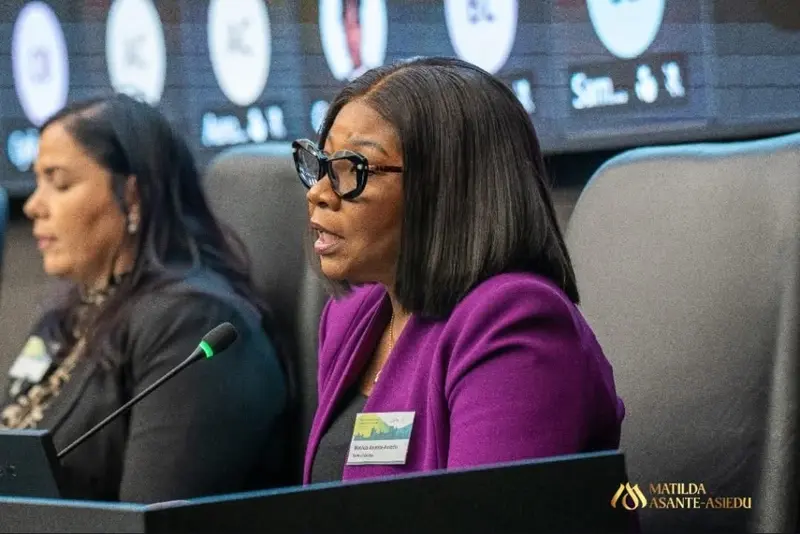
Image: MyJoyOnline
GhanaFront aggregates news from trusted sources. Click to read the original article.
Keywords
Explore related tagsMore from MyJoyOnline
Related Stories
More from Business & Economy
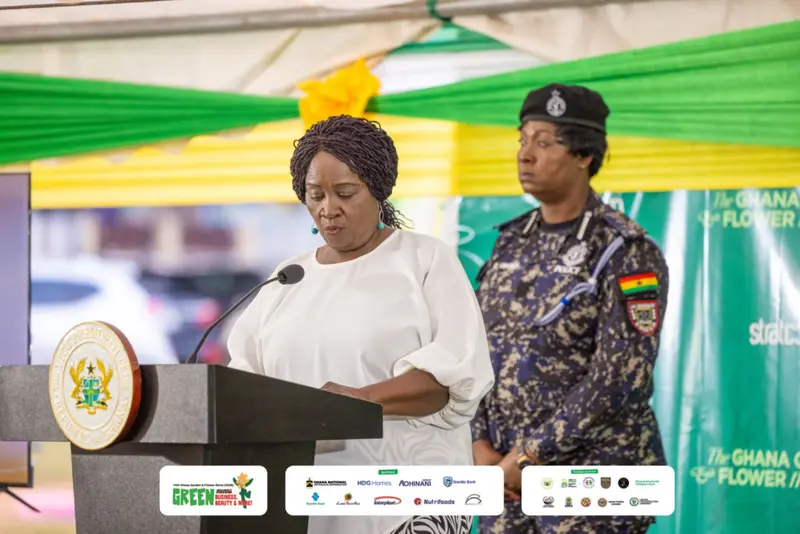
Horticulture can create jobs, businesses and export opportunities for Ghana - Prof Naana Jane
Could Ghana's flower industry bloom into a global export powerhouse? The Vice President thinks so - but there's a catch.
1d ago•