Best farmer calls on COCOBOD, traditional authorities to save Cocoa industry
Ghana's cocoa sector is once again under scrutiny, drawing attention to the complex interplay between economic development, traditional practices, and environmental sustainability. At the heart of this discussion is a distinguished figure in the agricultural community, a man recognized for his dedication and expertise in cocoa farming. This individual, a past recipient of the prestigious Overall Best Farmer award, is now raising concerns about the future of Ghana's cocoa industry, prompting a critical examination of the roles played by key institutions and custodians of tradition.
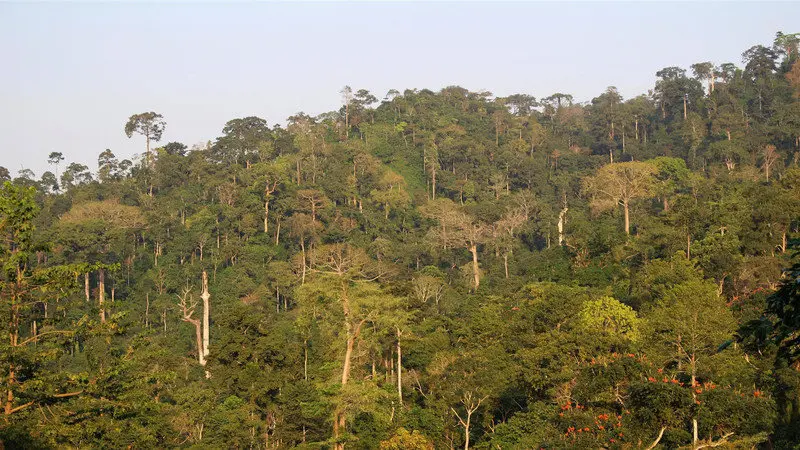
Cocoa is more than just a commodity in Ghana; it's a cornerstone of the national economy, a source of livelihood for millions, and a symbol of national pride. For generations, Ghana has been a leading producer of high-quality cocoa, contributing significantly to global supply and earning substantial revenue for the country. However, the industry faces a multitude of challenges, ranging from climate change and aging cocoa trees to illegal mining activities and land disputes. These challenges threaten not only the economic stability of cocoa-growing regions but also the cultural heritage and social fabric of rural communities. The historical context of land ownership and farming practices, including the traditional "Abunu" and "Abusa" sharecropping systems, adds another layer of complexity to the situation. These systems, designed to foster collaboration between landowners and farmers, are increasingly vulnerable to exploitation and manipulation, jeopardizing the livelihoods of those who depend on them.
The stakes are high for all involved. COCOBOD, the Ghana Cocoa Board, bears the immense responsibility of regulating and promoting the cocoa industry, ensuring its sustainability and profitability. Traditional authorities, including chiefs and elders, hold significant influence over land allocation and resource management within their communities. Their decisions can either protect the interests of cocoa farmers or inadvertently contribute to the destruction of cocoa farms. The government and parliament also have a crucial role to play in enacting and enforcing legislation that safeguards the cocoa industry and supports the livelihoods of farmers. Tensions often arise between the need for economic development and the preservation of agricultural land, particularly in areas where illegal mining activities are rampant. The potential loss of cocoa farms to developers further exacerbates these tensions, creating a sense of uncertainty and insecurity among farmers.
Several key questions remain unanswered. What specific measures will COCOBOD take to effectively enforce existing regulations and protect cocoa farms from destruction? How will traditional authorities balance the need for economic development with the preservation of traditional farming practices and the rights of cocoa farmers? Will the government and parliament provide the necessary legislative oversight and resources to ensure the long-term sustainability of the cocoa industry? The answers to these questions will determine the future of Ghana's cocoa sector and the well-being of the communities that depend on it. The concerns raised by this experienced farmer serve as a call to action, urging all stakeholders to work together to safeguard Ghana's cocoa heritage for generations to come.
Quick Summary
A cocoa farmer is appealing to COCOBOD and traditional leaders to help safeguard the cocoa industry. Destruction of cocoa farms is a threat - but what steps can be taken to protect this vital sector?
Summary - read the full story for complete context.
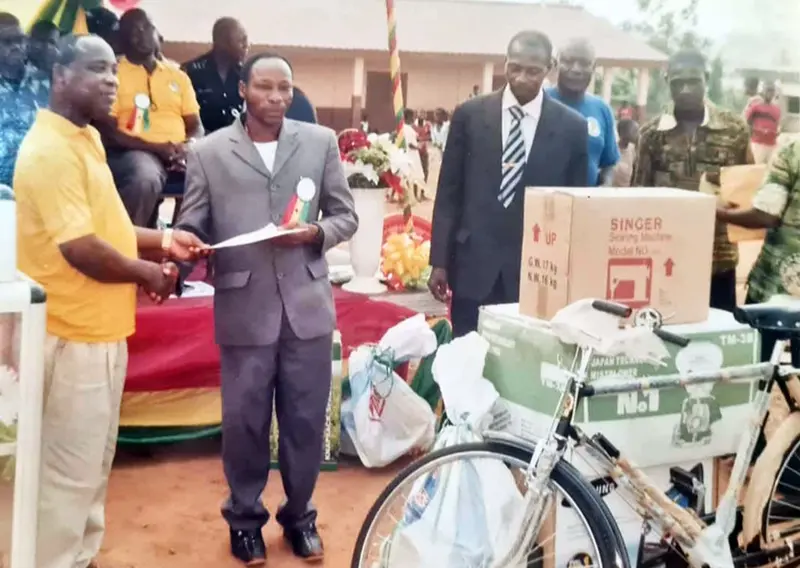
Image: The Chronicle
GhanaFront aggregates news from trusted sources. Click to read the original article.
Keywords
Explore related tagsMore from The Chronicle
Related Stories
More from Business & Economy
Africa pushes for reforms to global financial architecture
Why is Africa demanding a new global financial deal - and what could it mean for its economic future?
7h ago•4 min read