Apply, Pay, Pray - The Security Recruitment Lottery Explained
Ghana finds itself once again grappling with a recurring national challenge: the intersection of limited opportunity, high demand, and the ever-present specter of perceived inequity in accessing public sector jobs. Young Ghanaians, eager to secure stable employment, often pin their hopes on recruitment drives into the nation's security services - the police, immigration, fire service, and prisons. These institutions represent more than just jobs; they symbolize security, social standing, and a pathway to a better future in a nation where formal employment opportunities are scarce. The allure of a government uniform, with its promise of stability and benefits, draws thousands from across the country, each hoping to beat the odds and secure a coveted position.
The historical context of this situation is rooted in Ghana's economic realities. For decades, the public sector has been viewed as a reliable source of employment, offering a level of job security often absent in the private sector. This perception, coupled with a growing youth population and limited private sector growth, has created intense competition for government jobs. Furthermore, concerns about transparency and fairness in recruitment processes have long been a source of public debate. Allegations of favoritism, nepotism, and the influence of "connections" have fueled skepticism about the meritocratic nature of these exercises. This skepticism is further compounded by the requirement for applicants to pay registration fees, a practice that raises questions about accessibility and equity, especially for those from disadvantaged backgrounds.
At the heart of this issue are several key players. The Ministry of Interior, responsible for overseeing the security services, finds itself under intense scrutiny to ensure a fair and transparent recruitment process. The youth of Ghana, desperate for opportunities, are the most directly affected, their hopes and dreams hanging in the balance. Civil society organizations and concerned citizens play a crucial role in holding the government accountable and advocating for reforms to promote equitable access to employment. The tensions are palpable - between the desire for a fair and merit-based system and the perceived realities of influence and favoritism. The stakes are high, not only for the individuals seeking employment but also for the credibility and legitimacy of the security services themselves.
Several open questions remain that will likely drive public interest in this unfolding situation. How will the recruitment process be conducted to ensure fairness and transparency? What measures will be put in place to prevent undue influence and ensure that merit is the primary criterion for selection? How will the funds generated from registration fees be utilized, and will this be done in a transparent and accountable manner? And perhaps most importantly, how can Ghana address the underlying issue of limited employment opportunities for its youth, creating a more sustainable and equitable path to prosperity for all? These are the questions that Ghanaians are asking, and the answers will determine the future of security service recruitment and the broader landscape of youth employment in the nation.
Quick Summary
A recruitment drive for Ghana's security services has drawn massive interest from young citizens- highlighting the allure of government jobs. Questions are now being raised about the fairness and transparency of the process.
Summary - read the full story for complete context.
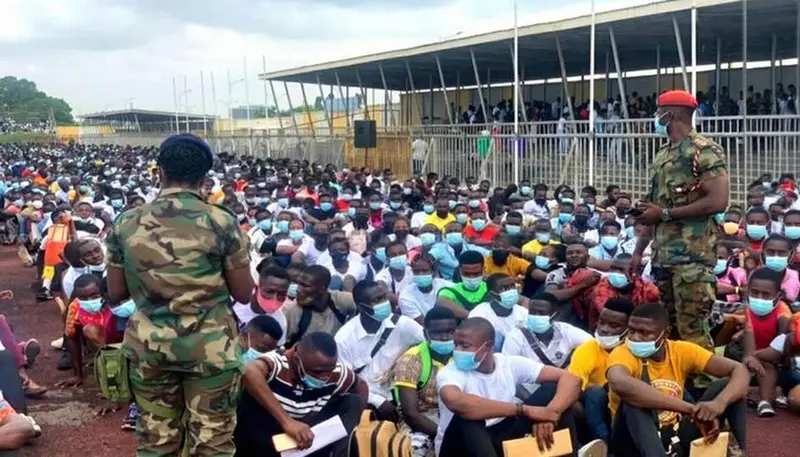
Image: MyJoyOnline
GhanaFront aggregates news from trusted sources. Click to read the original article.
Keywords
Explore related tagsMore from MyJoyOnline
Related Stories
More from Politics

Do not identify yourself as Ziavi Paramount Chief or Queen - Volta Region House of Chiefs warns
A traditional leadership battle in Ziavi faces a judicial freeze - who will ultimately claim the stool?
1d ago•