Analyst sounds alarm over 'expanded' security services recruitment
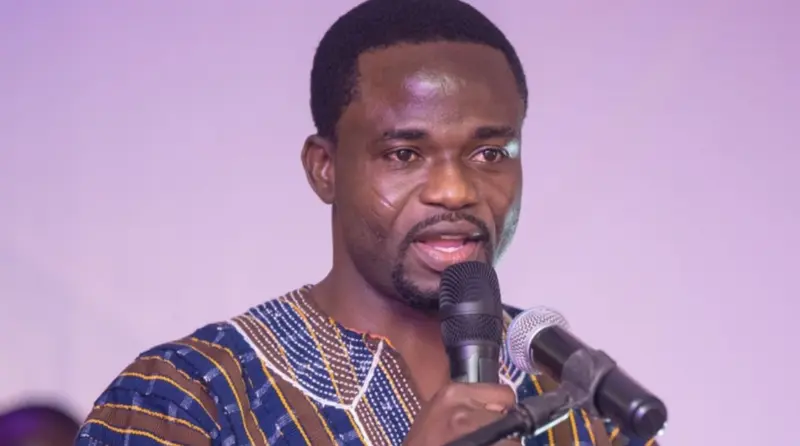
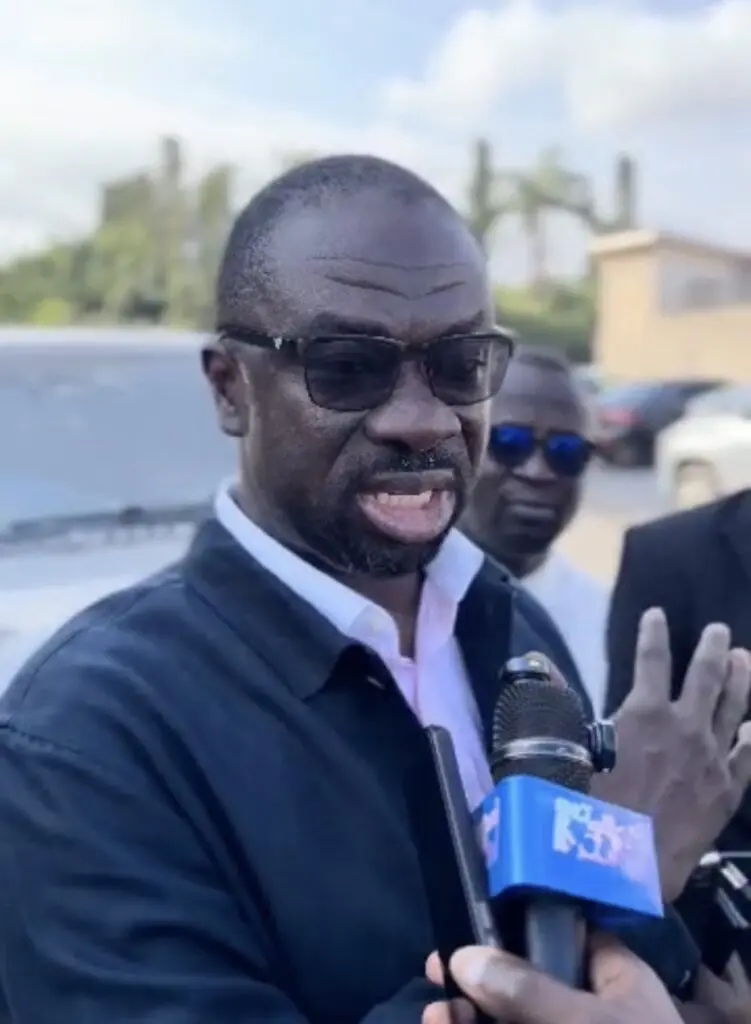
The Ghanaian security landscape is a complex tapestry woven with threads of national stability, economic development, and regional influence. Recent discussions surrounding the expansion of recruitment into the nation's security services have brought to the forefront long-standing debates about resource allocation, strategic planning, and the delicate balance between manpower and infrastructure. These conversations often involve figures like Emmanuel Mawanye Kotin, a security analyst whose expertise is sought after to dissect the intricacies of Ghana's internal security apparatus. His insights are particularly relevant given the government's stated intentions regarding the future size and capabilities of its security forces. The intersection of political directives and on-the-ground realities shapes the narrative surrounding this crucial sector.
Ghana's security services - encompassing the police, prisons, immigration, and military - have historically played a pivotal role in maintaining peace and order, both domestically and within the broader West African sub-region. Over the years, successive governments have grappled with the challenge of adequately resourcing these institutions while simultaneously addressing competing demands for development in other sectors like education and healthcare. The need for a robust security presence is underscored by factors such as increasing urbanization, cross-border crime, and the ever-present threat of regional instability spilling over into Ghana. Furthermore, the discovery of natural resources, particularly oil, has added another layer of complexity, necessitating enhanced security measures to protect these assets and prevent potential conflicts. The effectiveness of these services is often measured by their ability to respond to these challenges, and their capacity to do so is intrinsically linked to the availability of resources, including personnel, equipment, and training facilities.
The current discourse surrounding security services recruitment involves multiple stakeholders, each with their own perspectives and priorities. The executive branch, led by the President, is responsible for setting the overall strategic direction and allocating resources. Security chiefs are tasked with implementing these directives and ensuring the operational readiness of their respective agencies. Security analysts, like Kotin, provide independent assessments and offer recommendations based on their expertise. The general public, too, has a vested interest in the security sector, as its performance directly impacts their safety and well-being. Tensions can arise when there are discrepancies between the government's stated goals and the actual resources available to achieve them. The political climate also plays a role, with opposition parties often scrutinizing the government's security policies and highlighting any perceived shortcomings. At stake is not only the immediate security of the nation but also its long-term stability and its ability to attract investment and foster economic growth.
Several open questions remain that will likely drive continued interest in this topic. How will the government address the logistical challenges associated with a significant increase in security personnel? What specific measures will be taken to ensure that new recruits receive adequate training and are properly equipped to perform their duties? Will the recruitment process be transparent and merit-based, or will it be influenced by political considerations? And ultimately, will the expanded security services be more effective in addressing the existing gaps in the country's security system? These are the questions that Ghanaians are asking, and the answers will undoubtedly shape the future of the nation's security landscape.
Quick Summary
Security Analyst Emmanuel Mawanye Kotin has voiced concerns regarding a planned expansion of Ghana's security services. Kotin suggests the nation may not be ready - but what challenges could this pose?
Summary - read the full story for complete context.
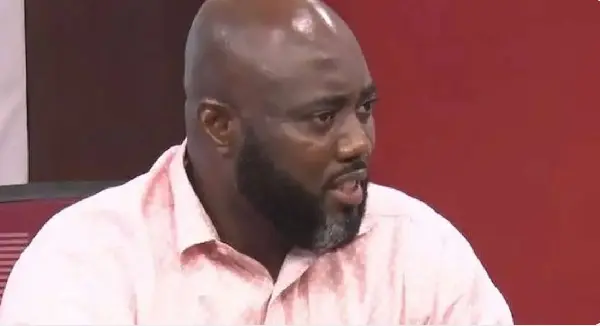
Image: GhanaWeb
GhanaFront aggregates news from trusted sources. Click to read the original article.
Keywords
Explore related tagsMore from GhanaWeb
Related Stories
More from Politics
Manyhia South MP raises alarm over alleged detention of woman whose whereabouts are unknown
A mother of three is missing after an alleged arrest - why has no one been told where she is?
10h ago•