Afenyo-Markin demands Interior Minister brief Parliament over security recruitment expansion
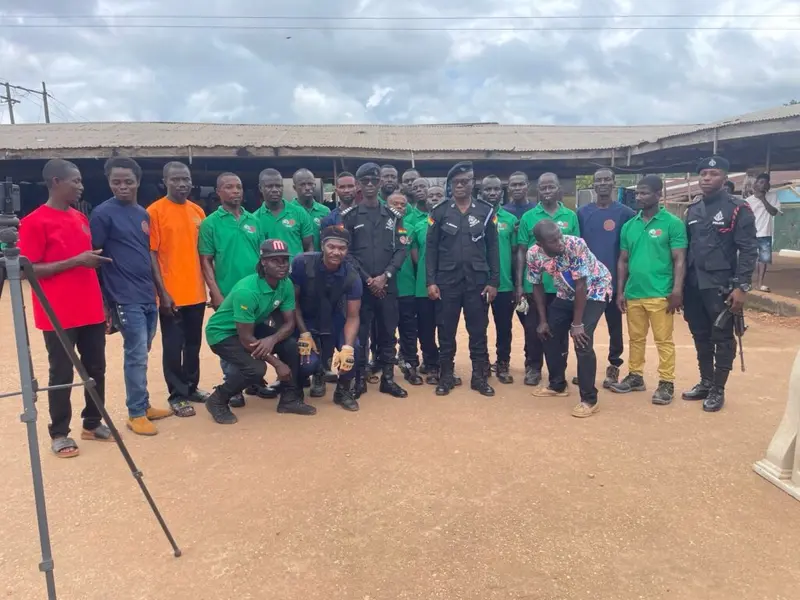
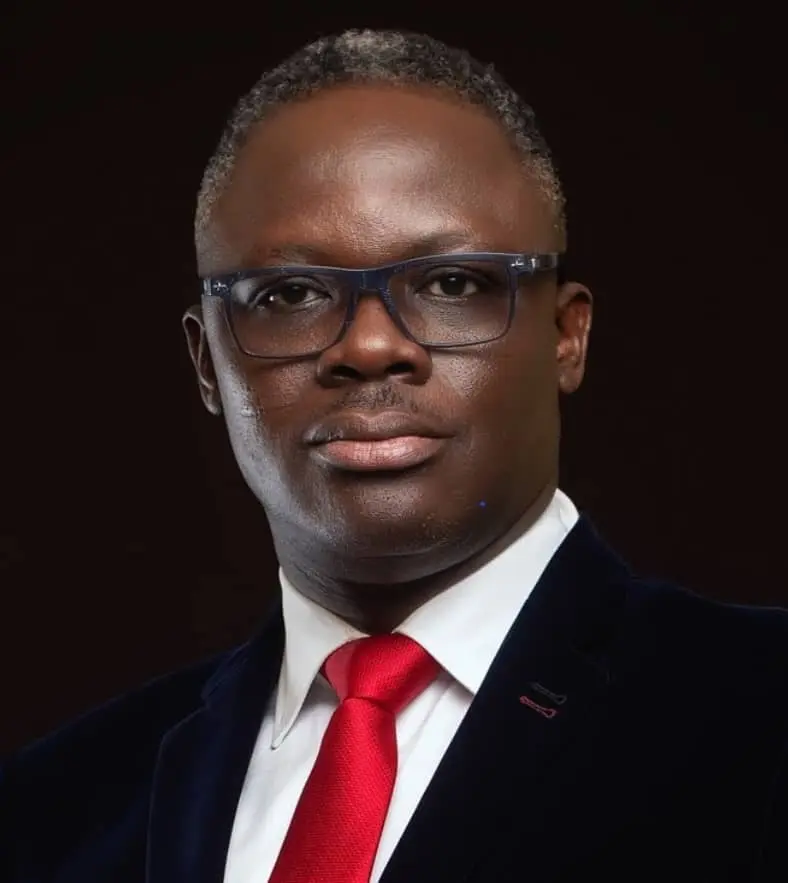
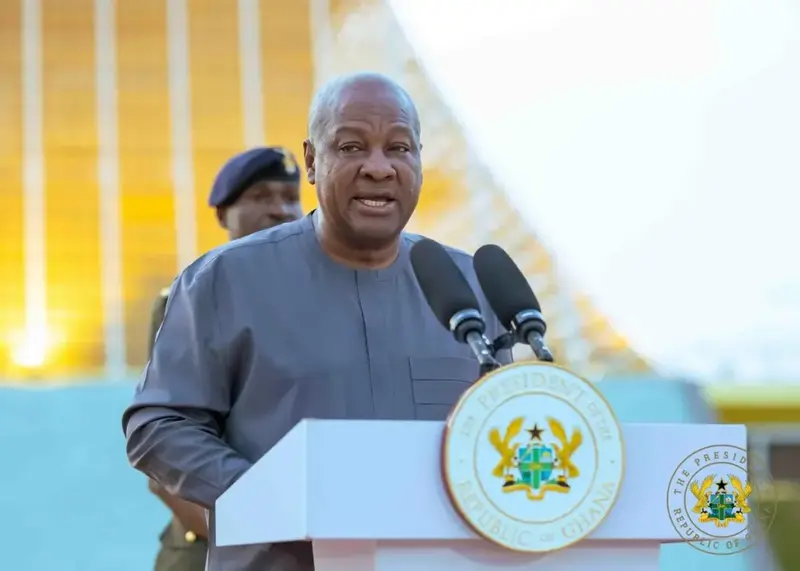
The ongoing recruitment process into Ghana's security services has become a focal point of national discussion, highlighting the complex interplay between government policy, public expectations, and parliamentary oversight. A prominent figure in Parliament is now calling for greater transparency and accountability regarding the process. This call comes amidst a backdrop of rising youth unemployment and heightened demand for opportunities within the security sector. The individual is seeking clarification from a key government minister, specifically concerning the rationale behind the current recruitment strategies and the overall management of the application process.
Ghana's security services - including the police, military, fire service, and immigration - are highly sought-after employers, offering perceived job security and opportunities for advancement. However, recruitment processes have often been shrouded in controversy, with allegations of favoritism, corruption, and lack of transparency. The demand for these positions far outstrips the available slots, creating a highly competitive environment where many qualified applicants are left disappointed. This situation is further complicated by the broader economic context, where youth unemployment remains a significant challenge. Successive governments have attempted to address this issue through various initiatives, including targeted recruitment drives into public sector institutions. The current administration's approach to security sector recruitment is therefore being closely scrutinized, particularly in light of past experiences and the need to ensure fairness and equal opportunity for all Ghanaians.
At the heart of this matter are several key players: the government, responsible for setting recruitment policies and overseeing the process; Parliament, tasked with holding the executive accountable and representing the interests of the citizenry; and the aspiring recruits themselves, who represent a large and often frustrated segment of the population. Tensions are rising as questions linger about the fairness and transparency of the process. The sale of recruitment vouchers, in particular, has raised eyebrows, with concerns that it may be creating a false sense of hope among applicants while potentially enriching individuals involved in the distribution. The stakes are high for all parties involved. For the government, maintaining public trust and ensuring the integrity of the security services are paramount. For Parliament, upholding its oversight role and advocating for the interests of constituents are crucial. And for the aspiring recruits, securing a stable and fulfilling career is the ultimate goal.
Several open questions remain that will likely shape the trajectory of this unfolding situation. Will the government accede to the demand for greater transparency and provide a comprehensive briefing to Parliament? How will the concerns regarding the sale of recruitment vouchers be addressed, and what measures will be put in place to prevent similar issues in the future? Will the increased recruitment numbers be sufficient to meet the demand and address the underlying issues of youth unemployment? The answers to these questions will not only determine the fate of thousands of aspiring recruits but also have broader implications for governance, accountability, and public trust in Ghana.
Quick Summary
Afenyo-Markin is pushing for the Interior Minister to address Parliament regarding security service recruitment. The Minority is raising concerns about transparency and fairness - but what issues will be brought to light?
Summary - read the full story for complete context.
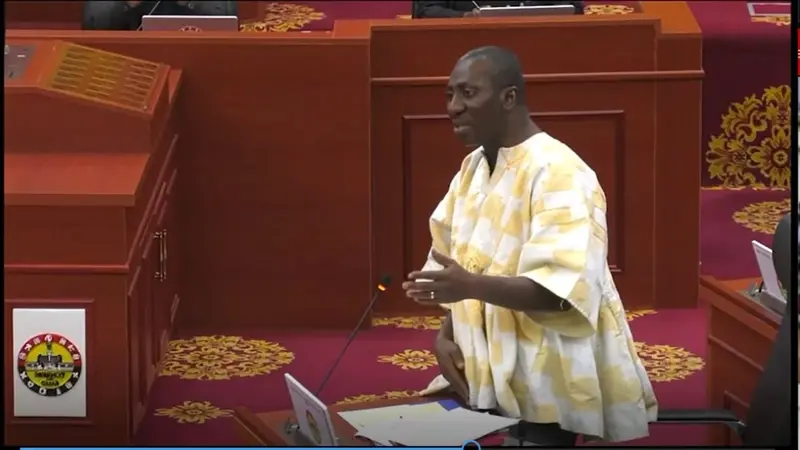
Image: MyJoyOnline
GhanaFront aggregates news from trusted sources. Click to read the original article.
Keywords
Explore related tagsMore from MyJoyOnline
Related Stories
More from Politics

Minority demands full-scale probe into Ghana's alleged emergence as narcotics transit hub
What has the Minority uncovered about Ghana's drug trade that demands a full parliamentary probe?
1d ago•