ADB Records GH¢367 Million Profit in 2025 as Capital Adequacy Ratio Surges to 27.17%
Image: GhanaFront Editorial
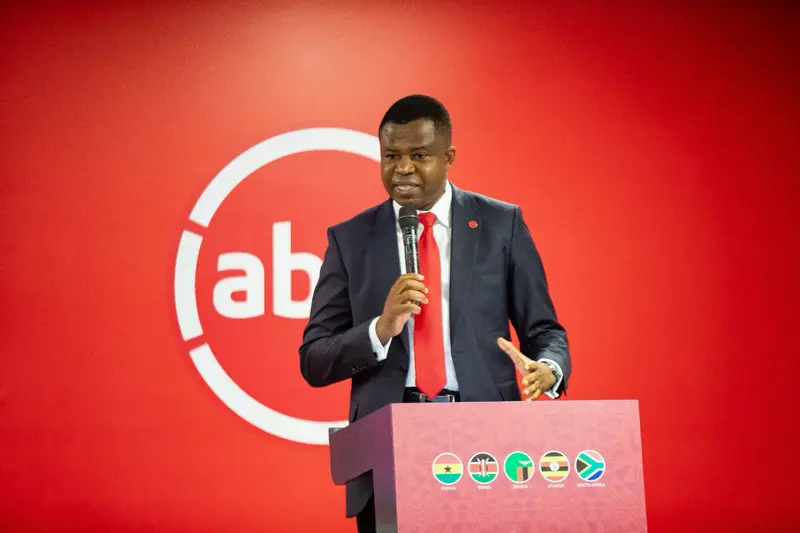
Ghana's Agricultural Development Bank (ADB) PLC has delivered one of the most dramatic financial recoveries in the country's banking sector, closing the 2025 financial year with a profit after tax of GH¢367.2 million -- a tenfold surge from the GH¢35 million posted in 2024.
The results, drawn from the bank's audited summary financial statements for the year ended December 31, 2025, signal a decisive turning of the tide for an institution that had been battling deep structural challenges. Industry watchers are calling the performance a watershed moment for ADB, crediting a combination of bold recapitalisation moves and an unrelenting push to recover bad loans.
From Negative Capital to a 27% Buffer
Perhaps the most striking metric in ADB's 2025 results is the bank's Capital Adequacy Ratio (CAR). Just twelve months ago, the ratio stood at a deeply troubling -3.15% -- well below the minimum threshold set by the Bank of Ghana. By the end of 2025, that figure had swung to 27.17%, giving the bank a substantial capital buffer and restoring its standing with regulators.
The turnaround was made possible by a GH¢850 million deposit for unregistered shares, injecting fresh equity into a balance sheet that had been under pressure for years. Combined with the strong profit performance and NPL recoveries, the capital base was rebuilt from the ground up.
ADB's Total Equity jumped from GH¢1.27 billion in 2024 to GH¢2.47 billion in 2025 -- nearly doubling in a single year, driven by the recapitalisation exercise and retained earnings.
The scale of investor buy-in reflects a market that has regained confidence in ADB's leadership and its long-term strategy. The GH¢850 million injection is not merely a lifeline -- it is a signal of conviction in the bank's repositioning.
The Relentless Recovery of Bad Loans
Alongside the capital injection, ADB mounted an aggressive campaign to bring in money from its stock of non-performing loans -- and the results were substantial. The bank recovered GH¢301.4 million from NPLs during the year, directly reinforcing its equity position and reducing the drag on earnings.
The NPL ratio, which stood at a concerning 75.26% at the end of 2024, improved to 70.53% by December 2025. While this figure remains elevated by industry standards, the direction of travel is clear, and management has signalled that recoveries will remain a central operational focus going forward.
- NPL recoveries in 2025: GH¢301.4 million
- NPL ratio end-2024: 75.26%
- NPL ratio end-2025: 70.53%
- Capital Adequacy Ratio end-2024: -3.15%
- Capital Adequacy Ratio end-2025: 27.17%
The steady reduction in the NPL ratio, paired with the momentum from fresh capital, positions ADB to clean up its books further in the years ahead -- a process that will be critical to achieving the bank's ambition of ranking among Ghana's top three lenders.
Core Business Finds Its Footing
Beyond the balance sheet repair work, ADB's core banking operations showed genuine strength in 2025. Net interest income -- the difference between what the bank earns from loans and investments and what it pays out on deposits -- nearly doubled, reaching GH¢1.37 billion.
This growth suggests that ADB's lending strategy and investment portfolio are generating far more productive returns than in previous years. The bank's total assets grew by 22%, breaching the GH¢17 billion mark, a milestone that reflects both the expanded capital base and increased business activity.
Investment securities within ADB's portfolio rose from GH¢3.8 billion to GH¢5.0 billion over the year, reflecting a strategic emphasis on higher-yielding assets alongside its traditional lending activities.
The combination of stronger income generation and disciplined cost management underscores that this is not a paper recovery built solely on one-off capital injections -- the underlying business is producing results.
Agricultural Roots Hold Firm
Even as ADB navigated one of the most consequential financial restructurings in its history, the bank did not lose sight of the mandate embedded in its name. The institution spent GH¢2.95 million on Corporate Social Responsibility activities in 2025, including continued sponsorship of the National Best Farmer Award -- a programme that speaks directly to the agricultural communities the bank was created to serve.
Donations to schools and community initiatives further underline a commitment to social impact that goes beyond balance sheet metrics. For a bank whose origins are rooted in supporting Ghana's farming sector, maintaining this identity through a period of financial stress carries strategic as well as symbolic weight.
What Comes Next
ADB's stated ambition is to rank among the top three performing banks in Ghana -- a target that would have seemed remote just a year ago, but now carries considerably more credibility. The 2025 results provide a platform: a recapitalised balance sheet, recovering loan book, surging net interest income, and an equity position that has nearly doubled.
The bank still faces real challenges. The NPL ratio, while improved, remains high, and further recovery work will require sustained effort and the right economic conditions. Managing the newly injected capital productively -- deploying it into quality loans and investments rather than allowing it to sit idle -- will be a key test of management's execution capability.
But the story of ADB in 2025 is, above all, one of resilience. From a negative CAR to 27.17%. From GH¢35 million in profit to GH¢367.2 million. From a bank under regulatory pressure to one that is setting targets for market leadership. The numbers tell a compelling story -- and Ghana's banking sector will be watching closely to see if ADB can sustain this momentum into 2026 and beyond.
More from GhanaFront Editorial
Related Stories
More from Business & Economy

Court grants bail to banker accused of stealing GH¢1 million
A young banker faces serious allegations - but what exactly did auditors uncover during their inspection?
15h ago•2 min read